Bassmaster 2026

Photo Fishing Rods & Reels

We, as observers of competitive bass fishing, turn our attention to one of its most prominent pillars: Bassmaster. Our intention is to provide a factual overview of this organization, its competitive circuits, and recent developments, employing a style akin to an encyclopedic entry. We shall dissect its structure, analyze its impact, and present current events without resorting to hyperbole. Our aim is to inform, offering a clear lens through which to view this significant entity within the angling world.

Bassmaster, the flagship brand of the Bass Anglers Sportsman Society (B.A.S.S.), did not emerge fully formed. Its origins lie in the vision of Ray Scott, who in 1967, sought to legitimize and professionalize the sport of bass fishing. Prior to his initiatives, tournament fishing was a fragmented landscape, lacking a cohesive structure or significant prize money. Scott’s foundational idea was to create a circuit that would elevate anglers from mere hobbyists to recognized athletes, establishing a framework that would define competitive bass fishing for decades to come.

The Founding Principles

B.A.S.S. was established on principles designed to achieve several objectives: to organize competitive tournaments, to promote conservation, and to educate anglers. These tenets have, over time, become the bedrock upon which the entire Bassmaster enterprise is constructed. The early tournaments, though humble by today’s standards, laid the groundwork for the spectacle we witness presently. They were crucibles where competitive angling techniques were refined and where the nascent stars of the sport began to forge their reputations.

Expansion and Diversification

Over its history, Bassmaster has expanded its reach beyond mere tournament organization. It transitioned from a singular event series to a multifaceted media conglomerate, encompassing magazines, television programs, and digital platforms. This diversification was a strategic maneuver, transforming the organization from a niche sporting body into a comprehensive entity that both stages events and disseminates content to a global audience. The Bassmaster Classic, often referred to as the “Super Bowl of Bass Fishing,” stands as a testament to this evolution, having grown from a modest competition into a major cultural and economic event within the angling community.

For those interested in honing their skills in outdoor sports, a great companion article to Bassmaster is available at this link: How to Shoot a Compound Bow for Beginners. This article provides valuable insights for beginners looking to master archery, which can complement the skills needed for fishing and other outdoor activities. Whether you’re casting a line or aiming for a target, understanding the fundamentals of these sports can enhance your overall experience in nature.

The Competitive Hierarchy: Elite Series and Beyond

At the apex of the Bassmaster competitive structure resides the Elite Series, a circuit widely regarded as the proving ground for the sport’s most skilled professionals. Below this elite tier, a robust system of feeder series and specialized competitions ensures a continuous pipeline of talent and diverse engagement opportunities for anglers of varying skill levels.

The Bassmaster Elite Series: A Battleground of Skill

The Bassmaster Elite Series is the premier professional bass fishing tournament circuit. It operates as a series of events, each a distinct battle on a different body of water, culminating in the Bassmaster Classic. We witness today, February 5th, the commencement of the 2026 Bassmaster Elite Series season. The inaugural event unfolds on the storied waters of Lake Guntersville, Alabama, a location renowned for its abundant bass populations and tactical complexities. One hundred and one anglers, a mosaic of seasoned veterans and aspiring newcomers, converge to pit their skills against both the fish and each other.

Tactical Constraints on Guntersville

A significant point of interest for this specific Elite Series opener is the stipulated absence of forward-facing sonar (FFS) technology on Day 1. This regulation introduces a layer of traditional angling knowledge and intuition, momentarily leveling the technological playing field. We observe the visual evidence – video highlights capturing the urgency, the “elitess racing to spots” – a vivid illustration of the competitive spirit and the strategic importance of early positioning. It is a spectacle that reminds us of the raw, unadulterated passion that fuels these athletes.

The FFS Conundrum: A Glimpse into Future Engagements

The debate surrounding forward-facing sonar has been a prominent narrative within competitive fishing circles. Today, we receive clarity regarding its application in the 2026 Elite Series. The coin flip results have been announced, outlining the venues where FFS will be permitted. We understand that a maximum of five out of the nine regular-season tournaments will allow this technology. Specific events, such as those featuring esteemed anglers like Gerald Swindle, Drew Benton, and John Crews, are explicitly identified as potential FFS-allowed events, depending on the venue pairings. The Bassmaster Classic, however, remains an “all-tech” affair, a stark contrast to the initial Elite Series event. This nuanced approach reflects a delicate balance between embracing technological advancements and preserving traditional angling paradigms, a perpetual tightrope walk for any sport grappling with innovation.

The Bassmaster Open Series: Gateways to Greatness

Below the Elite Series lies the Bassmaster Open series, a critical pathway for anglers aspiring to reach the sport’s highest echelon. These tournaments serve as proving grounds, offering opportunities for both professional and amateur anglers to compete for prize money and, crucially, for berths into the coveted Elite Series.

The Kissimmee Chain Open

We note the recent activities within the Open series, specifically the 2026 Turtlebox Bassmaster Open at the Kissimmee Chain. Video highlights provide us with insights into these events, showcasing the diverse angling techniques employed across different environments. These Opens are integral to the ecosystem of Bassmaster, providing a structured progression for talent.

Bassmaster Kayak Series: A Different Vantage Point

The Bassmaster competitive landscape also embraces specialized formats, such as the Kayak Series. This series caters to a growing segment of the angling community, offering a unique competitive experience from the intimate perspective of a kayak.

Stahl’s Wire-to-Wire Victory

A recent highlight from the kayak circuit is the wire-to-wire victory achieved by Stahl in a recent event. His performance not only secured him the win but also qualified him and the other top five finishers for the 2026 Newport Bassmaster Kayak Series Championship. This demonstrates the meritocratic nature of these competitions, where consistent performance is rewarded with advancement to higher stakes events.

Economic Impact and Sponsorship Landscape

The economic engine of Bassmaster is fueled by a synergy of membership fees, media rights, and, significantly, corporate sponsorships. These financial flows are the lifeblood that sustains the complex logistical undertaking of staging tournaments across the nation and maintaining a vibrant media presence.

Financial Injections and Sponsorship Roles

The presence of corporate sponsors is not merely ornamental; it is foundational to the financial viability of modern competitive fishing. We observe, for instance, Progressive Insurance serving as a platinum sponsor for Bassmaster. This level of commitment signifies a substantial investment, reflecting the perceived value of aligning with the Bassmaster brand and its dedicated audience. Sponsors provide the capital necessary for prize pools, operational costs, and the production of engaging content.

The Mega-Event: A Booster Shot for the Sport

A recent announcement, made on February 3rd, unveils a historic development: a $1.25 million first-place prize tournament. This unprecedented financial reward will see anglers from both B.A.S.S. and Major League Fishing (MLF) compete head-to-head on Lake Guntersville. This collaboration, a convergence of two prominent organizations, represents a strategic endeavor to “boost the sport.” Such events act as powerful accelerants, attracting wider media attention, increasing viewership, and potentially inspiring new generations of anglers. It is a testament to the sport’s growing appeal and its capacity to command substantial financial backing. A large prize purse functions as a gravitational force, drawing in the most skilled competitors and creating a high-stakes drama that captivates audiences.

Angler Preparedness and Pre-Season Insights

Prior to the commencement of any competitive season, there is a period of anticipation and preparation. Anglers invest considerable time and resources in readying themselves and their equipment for the rigors of the circuit. This preparatory phase is a critical, often unseen, aspect of competitive success.

Unveiling the Arsenal: Boat Wraps and Gear

As part of our observational duties, we have noted the release of various “2026 Elite previews.” Among these, the revelation of boat wraps is a common occurrence. These wraps, often elaborate and distinctly branded, are not merely aesthetic choices. They are visual extensions of an angler’s identity and, more practically, serve as mobile billboards for their sponsors. They symbolize the intricate web of support that enables these professional anglers to pursue their craft. Each boat, meticulously prepared and outfitted, represents a finely tuned instrument, ready for the symphony of competition on the water.

Strategic Considerations for Lake Guntersville

Regarding the Lake Guntersville opener, we acknowledge the ongoing discourse surrounding the impact of FFS (or its absence on Day 1). The strategic decisions made by anglers at this initial event will be particularly scrutinized, as they will operate under different technological constraints than in subsequent tournaments. Analyzing their choices – whether to prioritize traditional patterns, to scout particular areas, or to adapt quickly to changing conditions – offers a window into the nuanced art of competitive bass fishing. The absence of FFS on the first day forces anglers back to fundamental techniques, a temporary return to the foundational elements of the sport, much like an orchestra conductor momentarily stripping away modern instruments to reveal the pure melody.

For anglers looking to enhance their fishing experience, a sturdy rod holder can make all the difference. If you’re interested in learning how to create your own, check out this informative article on how to make a PVC bank fishing rod holder. It provides step-by-step instructions that can help you build a reliable holder for your gear, ensuring that you can focus on the thrill of the catch. You can find the article here: how to make a PVC bank fishing rod holder.

Conclusion: A Constantly Evolving Landscape

Metric Value
Founded 1971
Number of Tournaments Annually 20+
Average Tournament Duration 3 days
Top Prize (Bassmaster Classic) 300,000
Number of Professional Anglers 200+
Television Viewership (Average per Event) 1 million+
Official Website www.bassmaster.com

As we conclude our examination, we recognize Bassmaster as a dynamic and continuously evolving entity within the sporting world. Its commitment to competition, conservation, and education has solidified its position as a central pillar of bass fishing. From the intense battles of the Elite Series to the foundational opportunities of the Opens and the specialized niche of the Kayak Series, Bassmaster offers a comprehensive platform for anglers of all levels. The strategic introduction of FFS regulations, the monumental prize money announcements, and the ongoing efforts to engage and expand its audience all underscore an organization that is both rooted in tradition and forward-looking in its approach. We anticipate further developments and continued growth for Bassmaster as it navigates the currents of competitive sport and technological advancement.

Shop the Sticks!

Best Fishing Rods & Reels (Buying Guides)

Photo Fishing Equipment

We understand that venturing into the world of fishing gear can feel like navigating a vast ocean, with countless options promising the perfect catch. Our aim with this guide is to equip you, the discerning angler, with the knowledge to make informed decisions when selecting your best fishing rods and reels. We will dissect the critical components, discuss the nuances of their application, and offer a clear path through the often-complex terminology, ensuring your next angling adventure is supported by the right tools.

Before we delve into specific types and features, it is crucial to conceptualize the fishing rod and reel not as individual entities, but as an interconnected system. Imagine a highly choreographed dance: the rod, with its inherent flexibility and power, acts as the lever, transmitting your force and the fish’s resistance. The reel, the engine of this system, manages the line, dictates retrieval, and applies crucial drag. A mismatch in this partnership can lead to inefficiency, frustration, and ultimately, a diminished fishing experience. Our goal is to help you select components that harmonize, much like a well-tuned orchestra.

Rod Power and Action: The Language of Flex and Fight

When we speak of a rod’s characteristics, two primary terms dominate the conversation: “power” and “action.” These are not interchangeable; rather, they describe distinct attributes that profoundly influence a rod’s utility.

Rod Power: Lifting Capacity and Backbone

Rod power refers to the rod’s strength or lifting capacity. It dictates how much force a rod can handle before it reaches its breaking point or becomes overly flexed, compromising its ability to effectively fight a fish. We categorize rod power on a spectrum from Ultra-Light to Heavy, sometimes including Extra-Heavy for specialized applications.

  • Ultra-Light (UL): Designed for targeting small fish species like panfish, trout, and small bass. These rods are incredibly sensitive, allowing us to feel the subtle nibbles of wary fish. They are often paired with light lines and small lures.
  • Light (L): A versatile power, suitable for slightly larger panfish, trout, and light bass fishing. They offer a good balance of sensitivity and modest lifting power.
  • Medium-Light (ML): A popular choice for all-around freshwater fishing, including bass, walleye, and smaller catfish. They can handle a broader range of lure weights and fish sizes.
  • Medium (M): Arguably the most common rod power, adaptable to a vast array of freshwater and even some light saltwater applications. Ideal for bass, pike, and general-purpose fishing.
  • Medium-Heavy (MH): When we anticipate larger fish or need to cast heavier lures, MH rods provide the necessary backbone. They excel in applications like flipping and pitching, or targeting larger predator fish.
  • Heavy (H): Reserved for battling substantial fish species, such as large catfish, musky, or light offshore saltwater fishing. These rods possess significant lifting power to subdue powerful adversaries.
  • Extra-Heavy (XH): Specialized rods for extreme fishing scenarios, including heavy offshore angling, shark fishing, or musky fishing with very large baits. These are designed for brute force.

It is critical that we match the rod’s power to the target species and the line strength we intend to use. Using an Ultra-Light rod for a large catfish would be akin to using a thread to pull a tractor – a recipe for failure.

Rod Action: Where and How the Rod Bends

While power describes the rod’s overall strength, action describes where along its length the rod primarily bends when under pressure. This characteristic determines how quickly the rod loads and unloads, affecting casting distance, accuracy, and hook-setting capabilities.

  • Fast Action: These rods bend predominantly in the upper quarter or third of their tip. This design provides maximum sensitivity, allowing us to detect even the slightest bites. The stiff backbone translates into powerful hook sets and excellent control over a battling fish. They excel in situations requiring precise lure presentations and strong hook penetration, such as jigging or worm fishing.
  • Moderate-Fast Action: A popular compromise, bending in the upper half of the rod. They offer a good balance of sensitivity and forgiveness. This action allows for slightly longer casts than fast action rods and absorbs more shock from a fighting fish, reducing the chances of pulling hooks. They are often preferred for versatile lure presentations like crankbaits and spinnerbaits.
  • Moderate Action: These rods bend across the upper two-thirds of their length. They load deeper into the blank, resulting in longer, more parabolic casts. The increased flexibility acts as a shock absorber, making them ideal for treble hook baits where a gentler hook set is often preferred to prevent tearing out of the fish’s mouth. They are excellent for techniques like trolling or fishing with reaction baits.
  • Slow Action: Bending almost uniformly from the tip to the butt (handle). These rods offer maximum flexibility and are primarily used for small, delicate presentations where a soft hook set is paramount, such as ultralight panfishing or fly fishing applications. Their casting distance is generally limited, but their ability to load with minimal weight is unparalleled.

Our choice of rod action must align with our fishing technique. A fast action rod might be perfect for punching through heavy cover, but an intermediate action may be better for a finesse retrieve.

When selecting the best fishing rods and reels, it’s also essential to consider how to enhance your fishing experience with the right accessories. A related article that can be incredibly helpful is about creating your own fishing rod holder. This DIY guide provides step-by-step instructions on how to make a PVC bank fishing rod holder, which can be a great addition to your fishing gear. You can read more about it in this article: How to Make a PVC Bank Fishing Rod Holder.

Reel Types: The Engine of Our System

Just as rods come in various forms, so do reels, each designed for specific applications and offering distinct advantages. We will focus on the most prevalent types, providing you with a foundational understanding of their mechanics and utility.

Spinning Reels: Accessibility and Versatility

Spinning reels are arguably the most ubiquitous reel type, particularly among new anglers, due to their ease of use and versatility. They are characterized by a fixed spool, meaning the spool does not rotate during casting. Instead, the line peels off the end of the spool.

Key Features of Spinning Reels:

  • Open-face Design: This design allows us to visually inspect the line and prevent tangles.
  • Bail Arm: This wire arm guides the line onto the roller and prevents it from spilling off the spool during retrieval. Flipping the bail open readies the reel for casting.
  • Drag System: Located either at the front (top of the spool) or rear of the reel. Front drag systems generally offer more consistent and powerful drag adjustment. The drag allows line to be pulled off the spool when a fish exerts more force than the set resistance, preventing line breakage.
  • Anti-Reverse Switch: This switch prevents the handle from turning backward, which can be useful for setting the hook or for specific fishing techniques.
  • Gear Ratio: Indicates how many times the spool rotates for every full turn of the handle. Higher ratios mean faster retrieves, while lower ratios provide more cranking power. For example, a 6.2:1 gear ratio means the spool revolves 6.2 times for each handle rotation.

Advantages and Disadvantages:

Spinning reels excel in casting light lures and baits, making them ideal for finesse techniques and presentational fishing. Their intuitive operation makes them a prime choice for beginners. However, they can be more prone to line twist, particularly if overfilled or used with improper line management techniques. They also typically offer less casting accuracy for heavy baits compared to baitcasting reels.

Baitcasting Reels: Precision and Power

Baitcasting reels differ significantly from spinning reels in their operation. The spool rotates during the cast, directly paying out line as the lure flies. This design offers a direct connection to the lure, providing superior sensitivity and control.

Key Features of Baitcasting Reels:

  • Rotating Spool: The hallmark of a baitcaster. Requires thumb control during casting to prevent “bird’s nests” (tangles).
  • Braking System: Essential for controlling spool rotation during the cast.
  • Centrifugal Brakes: Utilize pins that extend outwards as the spool spins, applying friction to the reel’s internal walls. Adjustable by opening the side plate.
  • Magnetic Brakes: Employ magnets to create resistance against the spool, often adjustable externally with a dial.
  • Dual Brakes: Some reels combine both systems for advanced customization.
  • Drag System: Typically star-shaped and located on the side of the handle. Generally, baitcasting drags are more powerful and offer finer adjustments than spinning reels of comparable size.
  • Thumb Bar: Engages or disengages the spool for casting and retrieval.

Advantages and Disadvantages:

Baitcasting reels are the workhorses for applications requiring precision casting, long distances with heavier lures, and battling larger, more powerful fish. Their superior drag systems and direct line connection provide unparalleled control. However, they possess a steeper learning curve than spinning reels, with “bird’s nests” being a common frustration for newcomers. They are not well-suited for very light lures.

Fly Reels: The Art of Line Management

Fly reels are a distinct category, designed exclusively for fly fishing. Unlike spinning or baitcasting reels, their primary function is not casting distance or powerful retrieval, but rather line storage and drag control. The cast itself is generated by the heavy fly line, not the small, lightweight fly.

Key Features of Fly Reels:

  • Single-Action Design: For every turn of the handle, the spool rotates once.
  • Large Arbor: Many modern fly reels feature a large arbor design, meaning the core around which the line is wound is larger. This reduces line memory (coiling) and allows for faster line retrieval.
  • Drag System: Crucial for fighting fish, especially larger species. Fly reel drags can range from simple click-and-pawl systems (offering basic resistance) to sophisticated sealed disc drags (providing powerful, smooth, and consistent pressure).
  • Retrieve Hand: Many fly reels can be converted for either right or left-hand retrieve.

Advantages and Disadvantages:

Fly reels are specifically engineered for the unique demands of fly casting, line management, and protecting delicate fly leaders. They are not suitable for conventional bait or lure fishing. Their primary disadvantage lies in their specialized nature, making them unsuitable for other angling disciplines.

Matching the Rod and Reel: A Synergistic Approach

Fishing Rods & Reels

Having explored the individual characteristics of rods and reels, we are now poised to discuss their crucial interrelationship. A well-matched rod and reel system is more than the sum of its parts; it is an extension of the angler, allowing for seamless operation and optimal performance.

Balance: The Foundation of Feel

Balance is paramount. When we hold a properly balanced rod and reel combination, the pivot point should be near the foregrip, just in front of or behind where our hand rests. This prevents the rod from feeling tip-heavy or butt-heavy, reducing fatigue during long fishing sessions and enhancing sensitivity. An unbalanced setup feels cumbersome, similar to trying to write with an improperly weighted pen. We advocate for visiting a local tackle shop to physically hold and feel various combinations.

Line Weight Compatibility: The Unseen Connection

Every rod has a recommended line weight range, and every reel has a specified line capacity. Adhering to these recommendations is not merely a suggestion; it is a critical safety and performance measure.

  • Rod’s Line Rating: This indicates the optimal breaking strength of the fishing line the rod is designed to handle. Using line significantly heavier than the rod’s rating can put undue stress on the blank, potentially leading to breakage, especially during a powerful hook set or battle with a large fish. Conversely, using extremely light line on a heavy rod can hinder casting performance and make it difficult to feel subtle bites.
  • Reel’s Line Capacity: This specifies how much line of a certain diameter the reel spool can hold. Overfilling a spool can lead to tangles, decreased casting distance, and potential line damage. Underfilling can reduce drag performance and casting distance.

Always consider the type of line (monofilament, fluorocarbon, or braid) as their diameters vary significantly for the same breaking strength. Braided line, for example, is much thinner than monofilament of equivalent strength, allowing for more line to be spooled onto a reel, or for heavier braid to be used without exceeding capacity.

Application-Specific Selection: Tailoring Your Tools

The most effective approach to selecting a rod and reel is to define the primary application. Are we targeting panfish in a small pond, or battling tuna offshore? Our choice should reflect these demands.

  • Finesse Fishing (e.g., crappie, trout, small bass): An ultra-light or light power spinning rod with a fast or moderate-fast action, paired with a small spinning reel (typically 1000-2500 series) spooled with light monofilament or fluorocarbon (2-6 lb test). This system maximizes sensitivity for delicate presentations.
  • General Purpose Freshwater (e.g., bass, walleye, pike): A medium-light to medium power spinning or baitcasting rod, with moderate-fast to fast action. A 3000-4000 series spinning reel or a medium-sized baitcaster (100-200 series) spooled with 8-15 lb test line offers versatility. For bass, many anglers will have multiple setups to cover different techniques.
  • Heavy Freshwater/Light Saltwater (e.g., catfish, redfish, snook): A medium-heavy to heavy power rod, often with a fast action for power and hook setting. A larger spinning reel (4000-6000 series) or a robust baitcasting reel (200-300 series) with 15-30 lb test braided line is common.
  • Inshore Saltwater (e.g., snook, redfish, smaller tarpon): A medium-heavy to heavy power, fast action rod, typically 7-8 feet in length. Spinning reels in the 5000-8000 series or conventional reels with strong drag systems are preferred, spooled with 30-50 lb braided line and a fluorocarbon leader. Corrosion-resistant materials are essential.
  • Offshore Saltwater (e.g., tuna, marlin, wahoo): Here, specialized heavy-duty conventional or stand-up rods are paramount, paired with powerful lever drag conventional reels. Line capacities are massive, and drag systems capable of 50+ lbs of pressure are common. These setups are designed for brutal strength and endurance.

By understanding the synergy between rod and reel, and aligning this system with our intended fishing application, we move beyond simply buying gear; we invest in precision tools that will enhance our angling capabilities.

Material Matters: The Foundation of Durability and Performance

Photo Fishing Rods & Reels

The materials used in constructing fishing rods and reels significantly impact their performance, durability, and cost. Understanding these material choices empowers us to make smarter purchasing decisions.

Rod Blank Materials: Graphite, Fiberglass, and Composites

The “blank” is the core of the fishing rod. Its composition dictates a rod’s weight, sensitivity, strength, and action.

  • Graphite (Carbon Fiber): The most prevalent material in modern fishing rods. Graphite rods are prized for their exceptional sensitivity, allowing us to feel even the most subtle bites. They are also remarkably lightweight and possess a fast recovery rate (meaning they return to their straight position quickly after flexing), which aids in casting distance and accuracy. Higher modulus graphite typically results in lighter, stiffer, and more sensitive rods, but can also make them more brittle and expensive. These rods are excellent for techniques requiring a keen sense of touch, such as jigging or worm fishing.
  • Fiberglass: The traditional material for fishing rods. Fiberglass rods are renowned for their exceptional durability and flexibility. They possess a slower action, loading deeper into the blank, which makes them excellent for casting crankbaits or other treble-hook lures where the forgiving nature of fiberglass helps prevent hooks from pulling out of a fish’s mouth. They are generally heavier and less sensitive than graphite rods. Fiberglass remains popular for certain applications, such as trolling or fishing with reaction baits, and is often a more budget-friendly option.
  • Composites: These rods combine different materials, typically graphite and fiberglass, to leverage the strengths of each. For example, a composite rod might have a graphite core for sensitivity and a fiberglass outer layer for durability and flexibility. This hybrid approach aims to create rods that offer a balanced performance profile, suitable for a wider range of applications.

Reel Construction Materials: Lightweight Strength and Corrosion Resistance

The longevity and smooth operation of a reel depend heavily on the materials used in its construction.

  • Graphite/Composite Frames: Common on entry-level and mid-range spinning and baitcasting reels. Graphite frames are lightweight and corrosion-resistant. However, they can flex somewhat under heavy loads, potentially leading to slight gear misalignment and reduced retrieve smoothness when fighting a large fish.
  • Aluminum Frames: A step up in terms of rigidity and strength. Aluminum frames provide a more solid platform for the reel’s internal components, leading to greater durability and smoother operation under stress. They are heavier than graphite but offer superior power and longevity. Anodized aluminum is commonly used to enhance corrosion resistance, particularly important in saltwater environments.
  • Magnesium Frames: Found in high-end, lightweight reels. Magnesium offers an excellent strength-to-weight ratio, making for incredibly light and stiff reels. However, it is more susceptible to corrosion, especially in saltwater, and typically comes with a higher price tag. Careful maintenance is critical for magnesium reels.
  • Stainless Steel/Brass Gears: The gears within a reel are subjected to immense stress. Stainless steel is highly durable and corrosion-resistant, making it a common choice for pinion gears and other critical components. Brass is frequently used for main gears due to its strength, smooth meshing characteristics, and good wear resistance. High-end reels may feature more advanced gear materials and coatings for enhanced durability and smoothness.
  • Bearings: The quality and number of bearings significantly impact a reel’s smoothness and longevity. Look for corrosion-resistant stainless steel bearings, particularly those that are sealed to prevent the ingress of dirt and saltwater. More bearings do not automatically equate to a better reel; the quality and strategic placement of those bearings are far more important.

Our understanding of these material choices guides us towards gear that not only performs optimally but also endures the rigors of our chosen fishing environment.

When selecting the best fishing rods and reels, it’s essential to consider not only the equipment but also how to store and maintain them effectively. For those interested in DIY projects, you might find it helpful to explore a related article on creating a homemade bow and arrow rack for under $30. This guide can inspire you to build a custom storage solution that keeps your fishing gear organized and easily accessible. Check out the article here for some creative ideas.

Accessories and Maintenance: Prolonging the Lifespan of Our Investment

Product Name Type Rod Length Power Reel Type Line Weight Best For Price Range User Rating
Shimano Solora 2-Piece Spinning Rod Spinning Rod 6 ft Medium Spinning Reel 6-12 lb Freshwater, Bass, Panfish Low 4.5/5
Ugly Stik GX2 Spinning Combo Spinning Rod 6’6″ Medium-Heavy Spinning Reel 8-17 lb Freshwater, Bass, Walleye Low-Mid 4.7/5
Abu Garcia Veritas Casting Rod Casting Rod 7 ft Medium Baitcasting Reel 8-14 lb Freshwater, Bass Mid 4.6/5
Penn Battle II Spinning Combo Spinning Rod 7 ft Medium-Heavy Spinning Reel 10-20 lb Saltwater, Inshore, Redfish Mid 4.4/5
St. Croix Triumph Casting Rod Casting Rod 6’6″ Medium Baitcasting Reel 6-12 lb Freshwater, Bass, Trout Mid-High 4.8/5
Okuma Cedros CJ-65S Spinning Rod Spinning Rod 6’6″ Heavy Spinning Reel 20-50 lb Saltwater, Offshore, Big Game High 4.5/5

Our fishing rods and reels represent a significant investment, both financially and in terms of the enjoyment they bring. Proper care and the right accessories can drastically extend their lifespan and ensure continued peak performance.

Rod Guides and Reel Seats: Small Details, Big Impact

  • Rod Guides: The small rings along the rod blank through which the fishing line passes. Their material and construction significantly affect casting distance, line wear, and sensitivity.
  • Stainless Steel: Durable and affordable, but can be heavy and may corrode in saltwater if not properly maintained.
  • Ceramic (e.g., Aluminum Oxide, Silicon Carbide – SiC): Lighter, harder, and smoother than stainless steel, reducing line friction and heat buildup. SiC guides are particularly prized for their extreme hardness and smoothness, making them ideal for braided lines which can abrade lesser guide materials.
  • Reel Seats: The component that securely attaches the reel to the rod. Most are made from graphite composite or aluminum. Graphite seats are lightweight and warm to the touch, while aluminum seats offer superior strength and are preferred for heavy-duty applications. Ensure the reel seat provides a snug, wobble-free fit for your reel.

Line Selection: The Critical Link

The fishing line is the unsung hero of our tackle system, the direct conduit between us and the fish.

  • Monofilament (Mono): The traditional choice. It is affordable, stretches, and has good knot strength. The stretch acts as a shock absorber, which can be beneficial for certain lures or fighting strong fish. However, it can have higher memory (coiling) and lower sensitivity compared to other line types.
  • Fluorocarbon (Fluoro): Possesses excellent abrasion resistance and is virtually invisible underwater due to its refractive index being similar to water. It has less stretch than monofilament, offering increased sensitivity, and sinks, which can be advantageous for certain lure presentations. It is generally more expensive than mono.
  • Braided Line (Braid): Incredible strength-to-diameter ratio, no stretch, and exceptional sensitivity. This makes it ideal for feeling subtle bites and for punching through heavy cover. Braid casts very well and offers superior knot strength. However, it is highly visible, can be abrasive to rod guides if low quality, and requires a fluorocarbon or monofilament leader for most applications.

Our choice of line must align with the rod power, reel type, target species, and the specific fishing technique employed.

Essential Maintenance Practices: Protecting Our Gear

Regular maintenance is not an option; it is a necessity for preserving the functionality and lifespan of our equipment.

  • Rinsing After Use: This is particularly crucial for saltwater applications. Freshwater rinse rods and reels thoroughly to remove salt, sand, and grime. Avoid high-pressure sprays as these can force water into delicate internal mechanisms.
  • Lubrication: Reels require periodic lubrication with high-quality reel grease for gears and reel oil for bearings and moving parts. Consult your reel’s manual for specific lubrication points and recommended products. Over-lubrication can be detrimental, attracting dirt and hindering performance.
  • Line Inspection and Replacement: Regularly inspect your line for nicks, abrasions, or discoloration. Replace line as needed, often annually for frequently used setups, or more frequently if exposed to harsh conditions or heavy use. Old, weakened line is a common cause of lost fish.
  • Storage: Store rods in a way that prevents bending or damage to the blank or guides. Rod socks or rod tubes are excellent for protection. Store reels in a cool, dry place, ideally in a reel case, to prevent dust accumulation and physical damage. Disengage the drag slightly during storage to reduce tension on the drag washers.

By embracing these maintenance practices, we ensure our fishing rods and reels remain reliable companions, ready for countless future adventures on the water. We are not just buying tackle; we are investing in a passion, and with proper care, that investment will pay dividends for years to come.

Shop the Sticks!

Best Fishing Spots Near Me

Photo Fishing Spots

As we embark on our aquatic quest to discover the most fruitful fishing grounds in our vicinity, let us consider the multifaceted nature of this endeavor. Fishing, for many of us, is not merely a pastime; it is a communion with nature, a test of patience, and a delicate dance between strategy and serendipity. Our focus today is to provide a comprehensive guide to the best fishing spots near us, meticulously researched and presented in a factual, accessible manner. We aim to equip you, our fellow angler, with the knowledge necessary to cast your line with confidence, understanding the nuances of each location.

Before we delve into specific locations, let us first contextualize our immediate aquatic environment. Our region is blessed with a diverse range of water bodies, from serene freshwater lakes to dynamic tidal estuaries and stretches of the open ocean. Each ecosystem presents its own unique set of challenges and rewards, influencing the types of fish we can expect to encounter and the techniques we should employ.

Freshwater Lakes: Calm Waters, Abundant Life

Our local freshwater lakes are often the first port of call for many anglers. These still, often deep, bodies of water provide a stable habitat for a variety of species. The benthic zone, or lake bottom, and the pelagic zone, the open water, each host different fish populations. We can expect to find species such as largemouth bass, known for their aggressive strikes, various panfish like bluegill and crappie, which are excellent for beginners, and sometimes larger predators like northern pike or walleye, depending on the lake’s specific management.

Rivers and Streams: Dynamic Currents, Diverse Challenges

The flowing waters of our local rivers and streams offer a different kind of angling experience. The constant movement of water dictates how fish behave and where they congregate. We often find fish in calmer eddies behind obstructions, in deeper pools, or along undercut banks where they can conserve energy and ambush prey. Species like trout, whether rainbow, brown, or brook, thrive in cooler, oxygen-rich currents, while smallmouth bass and catfish are also common inhabitants of warmer, slower stretches.

Estuaries: The Riches of Brackish Water

Our estuaries, where freshwater meets saltwater, are incredibly productive ecosystems. They serve as nurseries for many marine species and offer a unique blend of freshwater and saltwater fish. The shifting tides and salinity levels create a constantly changing environment, requiring adaptability from the angler. Here, we might encounter striped bass, red drum, flounder, and speckled trout, often in abundance due to the rich food sources.

Coastal Waters: The Call of the Ocean

For those of us seeking bigger game and the thrill of the open sea, our coastal waters offer unparalleled opportunities. Whether fishing from shore, a dock, or a boat, the ocean presents an enormous, complex environment. The littoral zone, the area covered by tides, and the deeper offshore waters each hold distinct populations. Species can range from surf perch close to shore to tuna, mahi-mahi, and various snapper species further out.

If you’re looking to enhance your fishing experience at the best spots near you, consider checking out this informative article on how to make a PVC bank fishing rod holder. This DIY project can help you keep your fishing rods secure and organized while you enjoy your time by the water. You can read more about it here: How to Make a PVC Bank Fishing Rod Holder.

Navigating Fishing Regulations and Conservation Efforts

Before we even consider casting a line, it is imperative that we understand and adhere to the local fishing regulations. These are not arbitrary rules; they are the bedrock of sustainable angling, ensuring that future generations can also enjoy the bounty of our local waters.

Licensing Requirements: Your Gateway to Angling

In our jurisdiction, a valid fishing license is a prerequisite for fishing in public waters. These licenses typically come in various forms: annual, short-term, or even specialized licenses for particular species or methods. We must ensure our license is current and appropriate for the type of fishing we plan to undertake. Failure to do so can result in significant fines and, more importantly, undermines the very systems designed to protect our fisheries.

Size and Bag Limits: Stewarding Our Resources

Each fish species often has specific size and bag limits. Size limits are designed to protect juvenile fish, allowing them to reach reproductive maturity before being harvested, and to safeguard larger, more reproductively active individuals. Bag limits prevent overfishing of specific populations. As responsible anglers, we actively participate in conservation by respecting these limits, viewing them not as restrictions, but as guardians of our natural heritage.

Seasonality and Protected Species: A Rhythmic Harmony

Certain species may have closed seasons during critical periods, such as spawning. This allows fish to reproduce undisturbed, ensuring the continuation of their populations. We must also be aware of any protected or endangered species in our area. Accidental catches of these species should be handled with the utmost care and released immediately, minimizing stress and maximizing their chances of survival. Our knowledge of these rhythmic changes in the ecosystem is crucial.

Catch and Release Practices: Beyond the Hook

For many of us, catch and release is not just a technique; it’s an ethos. When practicing catch and release, we strive to maximize the fish’s survival rate. This involves using appropriate tackle to minimize harm, handling fish gently with wet hands or a landing net, and quickly removing the hook. Barbless hooks can significantly reduce tissue damage. Understanding the signs of a healthy release – a fish swimming away strongly – is a testament to our commitment to conservation.

Top Freshwater Fishing Destinations Near Us

Fishing Spots

Let us now turn our attention to specific locations, beginning with the tranquil yet prolific waters of our local freshwater sources. Each offers its own unique charm and angling opportunities, inviting us to explore their depths.

Lake Serenity: A Largemouth Bass Haven

Lake Serenity, a substantial reservoir spanning approximately 800 acres, provides an exceptional habitat for largemouth bass. Its irregular shoreline, dotted with submerged timber and extensive weed beds, creates prime ambush points for these predatory fish.

Depth and Structure: Reading the Lake’s Topography

The average depth of Lake Serenity is around 25 feet, with some areas plunging to 60 feet near the old creek channel. This depth variation is crucial for bass, which will move to deeper, cooler water during the heat of summer and shallower areas for feeding during cooler periods. We have consistently found success targeting submerged humps and points, particularly those that drop off into deeper water. Overhanging trees and fallen logs act as natural shelters, attracting baitfish and, consequently, their predators.

Seasonal Strategies: Adapting to Nature’s Rhythms

In spring, as water temperatures rise, bass move into shallower coves and flats to spawn. This is an excellent time for soft plastics, spinnerbaits, and topwater lures fished near visible cover. During summer, the bass retreat to deeper structure, requiring us to employ jigs, deep-diving crankbaits, or Texas-rigged worms. Fall sees bass becoming more active as they feed aggressively in preparation for winter, making crankbaits and jerkbaits effective. Winter fishing, while slower, can be productive near deep ledges with slow-moving baits.

Accessibility and Amenities: Planning Your Trip

Lake Serenity offers multiple public access points, including boat ramps equipped with ample parking. A small bait and tackle shop is conveniently located near the main ramp, providing essential supplies and local insights. Restroom facilities are available at most access points. For those who prefer bank fishing, several designated areas offer easy access to productive shorelines, particularly near the dam and the quieter coves.

River’s End: Trout Fishing in Flowing Waters

The Upper stretches of River’s End are renowned for their healthy populations of rainbow and brown trout. This section of the river, characterized by its clear, cool waters and gravelly bottom, mirrors the ideal conditions for salmonids.

Current and Cover: Understanding Trout Behavior

Trout in River’s End are opportunistic feeders and tend to position themselves in areas where food is abundant but the current is manageable. We often target riffles, which create oxygenation and dislodge insects, and the deeper pools directly downstream. Undercut banks and large boulders provide crucial cover from predators and the strong current. Look for subtle changes in water flow; a seam where fast water meets slow water is often a high-percentage spot.

Fly Fishing vs. Spin Fishing: A Matter of Technique

River’s End offers excellent opportunities for both fly fishing and spin fishing. For fly anglers, matching the hatch is paramount. During spring and early summer, caddis and mayfly imitations are often effective. Later in the season, terrestrials like grasshoppers and beetles can be very productive. Spin fishermen will find success with small inline spinners, spoons, and Rapala-style lures that mimic baitfish. Drifting salmon eggs or small worms under a bobber can also be highly effective, especially in calmer sections.

Conservation Zones and Special Regulations: Protecting Our Fishery

A significant portion of River’s End is designated as a “catch-and-release only” zone, with regulations often stipulating the use of artificial lures with single, barbless hooks. This conservation effort has resulted in a thriving population of larger, healthier trout. We strongly encourage adherence to these regulations, recognizing their role in sustaining this exceptional fishery. Always check local signage for specific rules.

Coastal and Estuarine Opportunities

Photo Fishing Spots

Moving seaward, our region offers a diverse array of opportunities for those drawn to the salty air and the promise of marine and brackish water species. The interplay of tides, salinity, and structure creates dynamic fishing experiences.

Oyster Creek Estuary: A Brackish Water Bonanza

Oyster Creek Estuary is a labyrinth of winding channels, shallow flats, and oyster beds, making it an incredibly productive ecosystem for a variety of inshore species. The ebb and flow of the tides profoundly influence the fishing here.

Tidal Influence: Timing Your Efforts

Understanding the tidal cycles is paramount for success in Oyster Creek. During an incoming tide, baitfish are pushed further into the marsh, and predatory fish follow. We often find success fishing the mouths of smaller creeks and points where the current concentrates bait. The outgoing tide, conversely, flushes bait out of the marsh, creating feeding opportunities along deeper channels and drop-offs. High slack and low slack tides generally offer slower fishing, but can be productive for certain species lurking on the bottom.

Targeted Species and Techniques: Adapting to the Environment

The estuary is a prime location for speckled trout, red drum, and flounder. For speckled trout, we find soft plastic jerkbaits or grubs rigged on a jig head, worked slowly along the bottom, to be very effective. Red drum often respond well to live bait such as shrimp or cut bait, fished on the bottom, especially near oyster beds. Flounder are ambush predators, so drifting or slowly jigging a baited hook or bucktail jig on the bottom is often the most productive method.

Navigational Challenges and Safety: Respecting the Waters

Oyster Creek Estuary, with its numerous shallow areas and shifting sandbars, demands careful navigation, especially for those in boats. We recommend consulting up-to-date nautical charts and being mindful of tidal depths. Strong currents can also be present, particularly through narrow channels. Always inform someone of your float plan and carry appropriate safety gear, including a PFD for each person on board.

Rocky Point Pier: Accessible Ocean Angling

For those without immediate boat access but a desire to experience ocean fishing, Rocky Point Pier offers an excellent vantage point and a solid platform. This substantial concrete structure extends several hundred feet into the open ocean, providing access to a variety of near-shore species.

Fishing Zones and Species Diversity: The Pier’s Microcosms

The pier effectively creates several fishing zones. Closer to shore, we typically find smaller species like croaker, spot, and various panfish, often caught using bottom rigs with fresh shrimp or bloodworms. Further out, towards the end of the pier, deeper water and stronger currents bring in larger species. Here, we might encounter Spanish mackerel, king mackerel, bluefish, and even cobia during their seasonal migrations. These larger fish often require heavier tackle and stronger lines.

Pier Etiquette and Equipment: Sharing the Space

Rocky Point Pier can be a popular spot, especially on weekends. Courtesy and awareness of fellow anglers are essential. Cast parallel to the pier or ensure your cast will not interfere with others. Standard surf fishing rods (7-10 ft) with medium-heavy actions are generally suitable. We recommend bringing a pier cart to transport your gear efficiently and a reliable pier net for safely landing larger fish. Remember to always clear up after ourselves, leaving the pier cleaner than we found it.

If you’re looking to enhance your fishing experience, you might also be interested in creating your own gear storage solutions. A great resource for this is an article on making a homemade DIY bow and arrow rack for under $30, which can help you keep your fishing rods organized as well. Check it out here for some practical tips that can complement your fishing adventures.

Mastering Specialized Techniques and Equipment

Fishing Spot Location Popular Fish Species Best Season Accessibility Facilities Available Average Catch Rate (per hour)
Lake Serenity 10 miles north Trout, Bass Spring – Fall Easy (paved roads) Boat ramps, picnic areas 3-5 fish
River Bend 5 miles east Catfish, Carp Summer Moderate (gravel roads) Fishing piers, restrooms 4-6 fish
Sunny Bay 15 miles south Striped Bass, Bluegill Late Spring – Early Fall Easy (highway access) Boat rentals, bait shops 5-7 fish
Mountain Creek 20 miles west Rainbow Trout Spring Difficult (off-road trails) None 2-4 fish
Harbor Point 8 miles northeast Salmon, Mackerel Fall Easy (city roads) Fishing docks, bait shops 3-6 fish

Beyond merely knowing where to go, understanding how to fish effectively involves a continuous journey of learning and adaptation. Our success is often directly correlated to our preparedness and our willingness to experiment with different approaches.

Understanding Lure Selection: The Art of Deception

Lures are designed to mimic the natural prey of fish, appealing to their predatory instincts. The selection of a lure is a nuanced decision, influenced by water clarity, light conditions, target species, and the retrieve speed.

Color Theory: A Visual Language

In clear water, natural colors like greens, browns, and whites often prove most effective, mimicking the subtle hues of real baitfish. In murky water, brighter colors such as chartreuse, orange, or even black can provide a stronger silhouette and vibration, making them easier for fish to detect. We’ve found that metallic finishes can be highly attractive on bright, sunny days, reflecting light in a way that mimics flashing scales.

Vibration and Sound: The Acoustic Allure

Many lures are designed to create vibration or sound, critical elements in attracting fish, especially in low visibility. Rattle traps, spinnerbaits, and some crankbaits incorporate beads or blades that generate acoustic signatures, drawing fish from a distance. The frequency and intensity of these vibrations can vary, and experimenting with different lures can reveal preferences on a given day.

Action and Presentation: The Dance of the Lure

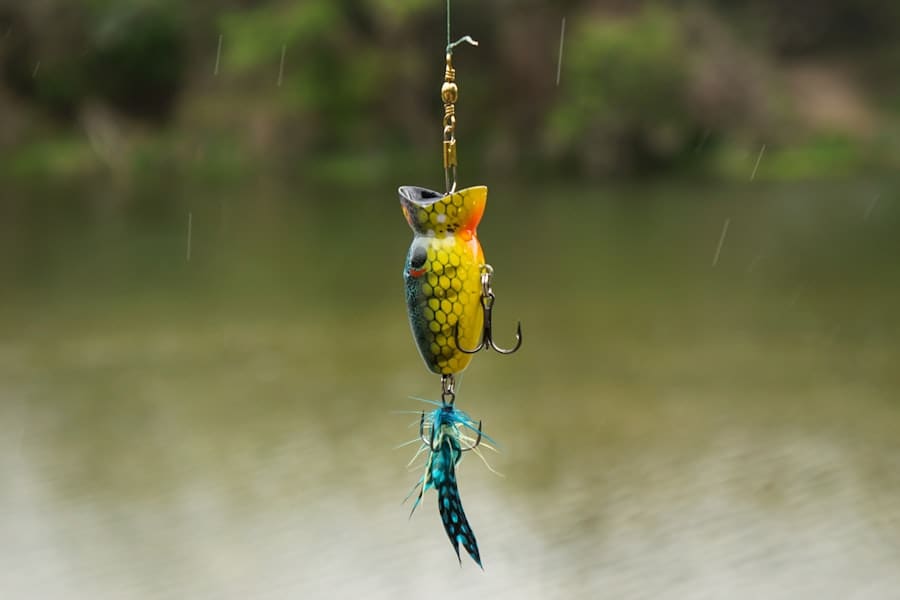
The way a lure moves through the water, its “action,” is fundamental. Soft plastic worms might be Texas-rigged for a weedless presentation, while a topwater popper creates an erratic splashing motion on the surface. Understanding the intended action of a lure and how to impart that action through rod movements and retrieve speed is a skill developed over countless hours on the water. A subtle twitch, a long pause, or a rapid retrieve can make all the difference.

The Role of Electronics: Our Eyes Beneath the Surface

Modern fishing electronics, particularly fish finders and GPS units, have revolutionized our ability to locate fish and navigate complex water bodies.

Fish Finders: Decoding Subsurface Landscapes

A good fish finder acts as our eyes beneath the water’s surface, revealing not only the presence of fish but also the topography of the bottom structure, depth contours, and even water temperature. Side-imaging and down-imaging technologies provide highly detailed representations of the underwater world. Learning to interpret these sonar readings – distinguishing between schools of baitfish, individual large fish, and features like submerged trees or rock piles – is a crucial skill that accelerates our learning curve significantly.

GPS and Chart Plotters: Navigational Precision

GPS units and chart plotters allow us to mark productive fishing spots, navigate safely through unfamiliar waters, and return to specific locations with pinpoint accuracy. We routinely use these tools to mark submerged humps, channel edges, or even individual brush piles that have proven productive. This data becomes an invaluable repository of successful locations, helping us build a detailed mental map of our local fishing grounds. Moreover, having reliable navigational tools is a fundamental safety measure, especially in large lakes or coastal waters where weather conditions can change rapidly.

If you’re looking to enhance your outdoor adventures, exploring the best fishing spots near you can be a great way to connect with nature. Additionally, if you’re interested in expanding your skills, you might want to check out this informative article on how to shoot a compound bow for beginners, which can complement your fishing trips by introducing you to bow hunting. Whether you prefer casting a line or aiming for a target, both activities offer unique experiences in the great outdoors.

Cultivating a Responsible Angling Ethos

Finally, as we conclude our exploration of the best fishing spots near us, let us reflect on the broader implications of our pursuit. Fishing is more than just catching fish; it is about our relationship with the environment and our community.

Leave No Trace: Preserving Our Natural Beauties

The concept of “leave no trace” extends beyond merely picking up our trash. It encompasses minimizing our impact on the environment in every way possible. This means avoiding unnecessary damage to vegetation, preventing the spread of invasive species by cleaning our gear, and being mindful of noise levels and other pollutants. Our goal should always be to leave a fishing spot in a better condition than we found it, ensuring its pristine beauty for ourselves and for others.

Supporting Local Conservation: Active Participation

Many of us are passionate about fishing because we cherish our natural resources. Supporting local conservation organizations, whether through volunteer work, donations, or simply advocating for sound environmental policies, is a direct way to give back. These organizations often play a critical role in habitat restoration, fish stocking programs, and public education. Our active participation is a testament to our commitment to the longevity of our sport.

Mentoring Future Generations: Passing on the Legacy

Fishing is a tradition that has been passed down through generations. Introducing new anglers, especially children, to the joys and responsibilities of fishing is one of the most rewarding aspects of our shared pastime. By teaching them about ethics, regulations, and the importance of conservation, we ensure that the legacy of angling continues, fostering a new generation of stewards for our aquatic ecosystems. The ripple effect of such mentorship extends far beyond the water’s edge.

In conclusion, the best fishing spots near us are not just geographical coordinates; they are dynamic ecosystems that demand our respect, understanding, and stewardship. By arming ourselves with knowledge, embracing responsible practices, and continually refining our skills, we can unlock the full potential of these bountiful waters and ensure that the thrill of the catch and the serenity of the outdoors remain accessible for all. Let us cast our lines not just for the fish, but for the deeper connection to nature that fishing so profoundly offers.

Shop the Sticks!

Fishing Tips for Beginners

Photo Fishing Tips

We embark on the shared journey of angling, a pursuit that, while steeped in ancient tradition, remains surprisingly accessible to the uninitiated. Our aim here is to equip you, the budding angler, with the foundational knowledge and practical tips necessary to transform a curious interest into a genuinely rewarding pastime. We understand that the sheer volume of information can be overwhelming, a vast ocean of techniques, gear, and species. Therefore, we endeavor to distill these complexities into actionable advice, guiding you like a compass through the initial currents of this captivating world.

Before we cast our lines, we must first understand whom we are trying to entice. Fishing is not a random act; it is a calculated attempt to intercept a specific species, or a range of species, that inhabit a particular ecosystem. Just as a gardener understands the needs of a rose versus a fern, we must appreciate the distinct characteristics and behaviors of different fish.

Common Freshwater Species for Beginners

For those starting their journey in inland waters, certain species offer a more forgiving learning curve. We recommend focusing on these initially, as they are often more abundant, less finicky, and provide excellent opportunities to practice fundamental skills.

Panfish (Bluegill, Crappie, Perch)

These gregarious fish are often the gateway species for new anglers. They are widespread, typically found in large schools, and readily bite a variety of baits. Think of them as the friendly neighbors of the aquatic world, always willing to engage. We often target them near submerged structures, weed beds, or docks. Their relatively small size makes them perfect for practicing casting accuracy and handling fish.

Bass (Largemouth, Smallmouth)

A step up in challenge, bass are iconic game fish known for their aggressive strikes and spirited fights. They are predatory fish, meaning they actively hunt smaller fish, insects, and crustaceans. Understanding their ambush tactics is key. We often find them near cover, waiting to spring on unsuspecting prey, much like a cat stalking a mouse. Targeting bass requires a slightly different approach regarding lures and retrieve techniques, but the rewards are substantial.

Catfish (Channel, Blue, Flathead)

Often overlooked as a beginner’s target, catfish are incredibly robust and offer superb fighting capabilities. They are primarily bottom feeders with an excellent sense of smell, making them ideal targets for bait fishing. We often find them in deeper holes, near logs, or along channel edges. Their distinct barbels, which resemble whiskers, are sensory organs that help them locate food in murky waters. Fishing for catfish is often a more relaxed affair, allowing for patient waiting.

Common Saltwater Species for Beginners

Coastal anglers have a different array of species to pursue, each with its own charm and challenges. The dynamic environment of the ocean, with its tides and currents, adds another layer of complexity and excitement.

Flounder

These delectable flatfish are masters of camouflage, often lying semi-buried on the sandy or muddy bottom, waiting to ambush prey. They are relatively easy to catch once you locate their preferred habitat. We often target them in calmer waters, estuaries, or along sandy flats, using small live baits or artificial lures mimicking baitfish.

Speckled Trout (Spotted Seatrout)

Prized for their delicate flavor and spirited fights, speckled trout are popular in gulf and Atlantic coastal waters. They are often found in seagrass beds, around oyster reefs, and in tidal creeks. Their territorial nature makes them a reliable target. We often mimic their natural prey with soft plastic lures or live shrimp under a popping cork.

Striped Bass

A truly iconic anadromous species, striped bass are powerful and voracious predators. They migrate along the coast, offering shore-based and boat-based anglers incredible opportunities. We often target them in turbulent waters, around rock jetties, or in baitfish blitzes where they actively chase schools of forage. Catching a large striped bass is a memorable experience, a true test of strength and skill.

If you’re looking to enhance your outdoor skills beyond fishing, you might find it beneficial to explore archery as well. A great resource for beginners is the article on how to sight in a compound bow, which provides essential tips and techniques for getting started. You can read more about it here: How to Sight in a Compound Bow. This guide complements your fishing journey by introducing you to another rewarding outdoor activity.

Essential Gear: Your Toolkit for Success

Just as a carpenter needs a hammer and saw, we, as anglers, require specific tools to undertake our craft. The world of fishing gear is vast and can be intimidating, a labyrinth of rods, reels, lines, and lures. Our advice is to start simple and gradually expand your arsenal as your experience grows. Think of your initial gear as foundational bricks; you can always add more elaborate structures later.

Rod and Reel Combinations

The rod and reel are the heart of your fishing setup. They work in tandem to cast your line, present your bait, and ultimately, land your catch.

Spinning Combos

For the beginner, we unequivocally recommend a spinning rod and reel combination. These are incredibly versatile, user-friendly, and forgiving of initial casting imperfections. The open-faced reel allows for smooth casting and minimizes tangles, making it an ideal starting point. We suggest a medium-light to medium power rod, typically 6 to 7 feet in length. This range offers a good balance for targeting most beginner-friendly species, from panfish to smaller bass and inshore saltwater species.

Spooling Your Reel

The choice of fishing line is critical. For beginners, monofilament line in the 6-10 lb test range is an excellent choice. It is affordable, easy to tie knots with, and offers good stretch, which can act as a shock absorber during a fight. Fill your spool appropriately; too little line will hinder casting distance, and too much will lead to tangles, a frustrating ordeal.

Terminal Tackle: The Business End

Terminal tackle refers to everything attached to the end of your fishing line: hooks, weights, and swivels. These are the components that directly interact with the fish.

Hooks

Choosing the right hook size is crucial and directly relates to the size of the fish you are targeting and the bait you are using. A general rule of thumb: smaller fish, smaller hooks; larger fish, larger hooks. For panfish, we might use a size 8-12 hook. For bass or catfish, a size 1/0 to 3/0 might be more appropriate. Always ensure your hooks are sharp; a dull hook is like a blunted sword, ineffective in its purpose.

Weights (Sinkers)

Weights serve two primary purposes: to get your bait to the desired depth and to aid in casting distance. We use various types – split shot, bullet weights, egg sinkers – depending on the technique and conditions. For lightweight baits or shallow water, a small split shot might suffice. For deeper water or to cast further, a heavier egg sinker might be necessary.

Swivels

Swivels are small, rotating connectors that prevent line twist, especially when using lures that spin or when fishing in currents. A small barrel swivel or snap swivel can save you a lot of frustration from tangled lines. Think of them as the shock absorbers for your line, preventing rotational forces from accumulating.

Mastering the Basics: Casting and Retrieving

Fishing Tips

With your gear in hand, the next step is to learn the fundamental techniques that bring your bait to life in the water. These are the brushstrokes of the angler’s art, and practice will refine your mastery.

The Overhead Cast

The overhead cast is the most common and versatile casting technique. It allows for good distance and accuracy.

Practice Makes Perfect

We recommend practicing in an open area, away from obstacles. You’ll want to load your rod by bringing it back over your shoulder, then smoothly accelerating it forward, releasing the line with your index finger at the optimal moment. The key is a fluid, continuous motion, not a jerky action. Imagine painting a stroke, not hammering a nail. Initial attempts may feel awkward, but with repetition, it will become second nature. Aim for consistency rather than brute force.

Essential Retrieves

Once your lure or bait is in the water, the way you bring it back (the retrieve) can be just as important as the cast. Different lures and baits require different retrieval techniques to mimic natural prey.

Steady Retrieve

The simplest retrieve, a steady, constant winding motion, is effective for many lures, especially those with built-in action like crankbaits or spinnerbaits. It’s the baseline, and you can always add variations.

Stop-and-Go Retrieve

This involves winding for a few seconds, then pausing, and then winding again. This erratic motion often triggers strikes from predatory fish who perceive a struggling or injured prey item. It’s like a cat-and-mouse game, with the pauses creating anticipation.

Jigging

This involves imparting short, sharp twitches or lifts to your rod tip, causing the lure (often a jig) to hop along the bottom or through the water column. It’s particularly effective for bottom-dwelling species or those hiding in cover.

Understanding Your Environment: The Fisherman’s Compass

Photo Fishing Tips

Fish are creatures of habit and environment. Their presence and activity are heavily influenced by a myriad of factors, much like flowers respond to sunlight and soil. Understanding these environmental cues is like having an internal compass, guiding you to productive waters.

Reading the Water

The ability to “read the water” is a skill developed over time, a keen observation of subtle signs that indicate the presence of fish or their preferred habitat.

Structure and Cover

Fish, especially predatory species, love structure and cover. These provide ambush points, protection from predators, and often areas of abundant food. We look for submerged logs, rock piles, weed beds, docks, bridge pilings, and drop-offs. These are the natural condominiums of the aquatic world, offering shelter and sustenance.

Water Temperature and Clarity

Water temperature significantly impacts fish metabolism and activity. Different species have preferred temperature ranges. Clarity also plays a role; in clear water, fish may be more cautious, while in murky water, they might rely more on scent and vibration. Adjusting your lure colors or bait choices to match water clarity can be a game-changer. Think of it as adjusting your camouflage to your surroundings.

Time and Tide

For saltwater anglers, understanding the tides is paramount. Tides create currents that move baitfish and can concentrate feeding activity.

Tidal Influence

Often, the hour or two leading up to and following high or low tide can be prime fishing times. The moving water stirs up prey and creates nutrient-rich currents, signaling a feeding opportunity for fish. We carefully study tide charts for our intended fishing locations, as timing can be the difference between a barren outing and a successful one.

Time of Day

Dawn and dusk are often referred to as “prime time” for fishing. The lower light levels provide an advantage to many predatory fish, and cooler temperatures can increase activity. However, daytime can also be productive, particularly in deeper waters or with specific species. It’s not a rigid rule, but more of a gentle suggestion from nature.

If you’re just starting out with fishing, you might find it helpful to explore additional resources that can enhance your experience. For instance, creating your own fishing gear can be a rewarding project, and you can learn how to make a simple yet effective bow and arrow rack for under $30. This DIY guide can be found in this article, which offers practical tips and step-by-step instructions to help you get started. Check it out here for some creative ideas that can complement your fishing adventures.

Beyond the Catch: Ethics and Conservation

Tip Description Recommended Gear Best Time Success Rate (%)
Choose the Right Bait Use live bait like worms or minnows to attract more fish. Live bait, hooks, bobbers Early morning or late afternoon 70
Use Light Tackle Light fishing rods and lines increase sensitivity and improve catch rates. Light rod, 4-6 lb test line All day 65
Fish Near Structures Fish tend to gather near rocks, logs, and vegetation. Medium rod, artificial lures Morning 60
Be Patient and Quiet Minimize noise and sudden movements to avoid scaring fish away. Any basic fishing gear All day 55
Check Weather Conditions Overcast days often yield better fishing results than bright sunny days. Weather app or forecast Cloudy or overcast 75

Our journey into angling is not merely about landing a fish; it is also about fostering a respectful relationship with the natural world. As responsible anglers, we are stewards of these precious resources, ensuring their abundance for future generations.

Catch and Release Practices

While harvesting fish for consumption is a time-honored tradition, practicing catch and release, especially for larger breeding fish, is vital for maintaining healthy fish populations.

Minimizing Stress

When practicing catch and release, our goal is to minimize stress on the fish. We handle fish gently, using wet hands to avoid removing their protective slime coat. We use de-hookers or needle-nose pliers to remove hooks quickly and efficiently, especially those embedded deeply.

Proper Release

Support the fish in the water, allowing it to regain its strength before letting it swim away. If a fish is bleeding heavily or appears severely injured, it is often more humane to dispatch it quickly for consumption, if legal. Our aim is to leave the ecosystem no worse, and ideally better, than how we found it.

Respecting Regulations

Fishing regulations are in place for a reason: to protect fish stocks and ensure sustainable angling opportunities. We must always familiarize ourselves with the local regulations regarding size limits, bag limits, and seasons for the species we are targeting. Ignorance is not an excuse. Think of these regulations as the traffic laws of the aquatic highway, ensuring smooth passage for all.

Leave No Trace

Our presence in natural environments should be as fleeting as a shadow. We pack out everything we pack in, ensuring no litter is left behind. This includes discarded fishing line, bait containers, and food wrappers. A clean environment benefits us all, creating a more enjoyable and sustainable experience for every angler who follows in our footsteps.

In conclusion, the world of fishing is a vast and endlessly fascinating realm. By starting with these foundational tips, you are not simply learning to catch fish; you are embarking on a journey of discovery, patience, and connection with the natural world. May your lines be tight, and your experiences rich.

Shop the Sticks!

Best Fishing Bait & Lures

Photo Fishing Bait & Lures

When venturing out onto the water, the quest for the perfect bait or lure is as old as angling itself. We, as anglers, understand that the right choice can be the difference between a quiet day and a creel full of fish. The sheer variety available can be overwhelming, a veritable ocean of options, each promising to entice our finned quarry. Deciding what to tie on often comes down to understanding the environment, the target species, and their current mood. This exploration delves into the fundamental categories of fishing bait and lures, providing a factual overview to help us make informed decisions.

The debate between live bait and artificial lures has long been a cornerstone of angling discussions. Each category possesses distinct advantages and disadvantages, influencing their effectiveness in different situations. For us, acknowledging these differences is critical to optimizing our chances of success.

The Unmatched Appeal of Live Bait

Live bait, as the name suggests, consists of living organisms used to attract fish. Its primary advantage lies in its natural scent, movement, and taste, elements that trigger an instinctive feeding response in fish. Unlike artificial lures, which aim to mimic these attributes, live bait is the genuine article.

Worms: The Ever-Reliable Workhorses

Earthworms, with their segmented bodies and wriggling locomotion, are arguably the most iconic and universally effective live bait.

Red Wigglers and Nightcrawlers

Both red wigglers and larger nightcrawlers are favored by anglers. Red wigglers are smaller and more active, making them ideal for panfish and smaller trout. Nightcrawlers, their larger cousins, are a staple for bass, walleye, and channel catfish. Their robust nature allows them to remain lively on the hook for extended periods.

Rigging Techniques for Worms

How we present a worm significantly impacts its appeal. Common methods include:

  • The S-Bend: Threading the worm onto the hook in an S-shape creates a natural, undulating movement as it drifts.
  • The Wriggle: Allowing a good portion of the worm to dangle freely above the hook encourages more erratic, lifelike action.
  • The Nose Hook: Hooking the worm through its collar or head minimizes injury, allowing it to stay alive and active longer. This is particularly effective for finicky feeders.

Minnows: A Delectable Enticement

Small, live fish, commonly referred to as minnows, are a potent attractant for predatory species. Their frantic escape attempts mimic wounded prey, a siren song to hungry game fish.

Shiners, Fatheads, and Gizzard Shad

Different types of minnows are suited for different anglers’ needs. Golden shiners are a favorite for bass and walleye due to their size and buoyancy. Fathead minnows are excellent for panfish and trout. Gizzard shad, particularly larger specimens, are prime bait for trophy catfish and muskellunge.

Live-Lining and Bobber Fishing

Presenting minnows effectively often involves:

  • Live-Lining: Free-lining a minnow with just a hook and weight allows it to swim naturally, reacting to currents and its own instincts.
  • Bobber Fishing: A bobber suspends the minnow at a desired depth, providing a visual strike indicator and keeping the bait in the strike zone. This is a classic technique for various species.
  • Trolling with Minnows: Pulling a minnow-rigged line behind a boat at slow speeds can cover water and entice reluctant biters.

Other Live Bait Options

Beyond worms and minnows, a diverse array of live baits exist, each tailored to specific environments and target species.

Crickets and Grasshoppers

These terrestrial insects are excellent for panfish, trout, and even some bass species, especially when fishing near shorelines or aquatic vegetation. Their chirping and jumping create an audible and visual attraction.

Leeches

Leeches are particularly effective for walleye and smallmouth bass. Their undulating movement and ability to attach briefly to the hook can create a strong feeding trigger.

Crabs and Shrimp

In saltwater environments, live crabs and shrimp are invaluable for catching species like redfish, flounder, and various rockfish. Their natural scent and texture are irresistible.

The Ingenuity of Artificial Lures

Artificial lures are manufactured items designed to imitate the appearance, sound, and action of natural prey without being alive. Their appeal lies in their reusability, versatility, and the skill involved in their manipulation. For us, mastering lure fishing opens up a vast spectrum of possibilities.

Hard Baits: Mimicking Movement and Flash

Hard baits are typically made of plastic, wood, or metal and are designed to create specific underwater actions. They often feature rattles, reflective surfaces, and precisely shaped bodies to mimic swimming baitfish, crawfish, or other prey.

Crankbaits: Diving and Wiggling Wonders

Crankbaits are characterized by their bills, which determine their diving depth and wobbling action.

  • Shallow-Running Crankbaits: These have short bills and are designed to dive only a few feet, ideal for fishing over submerged vegetation or in shallow water.
  • Medium-Diving Crankbaits: With longer bills, these can reach depths of 10-15 feet, effective for covering mid-water columns.
  • Deep-Diving Crankbaits: These possess extended, often wide bills that allow them to plumb depths of 20 feet or more, essential for targeting fish holding near the bottom in deeper water. The lip functions like a divers fin, forcing the lure downwards.
Jerkbaits: Erratic Presentations

Jerkbaits are typically slender, lure-like baits that are manipulated with rod twitches and pauses.

  • Floating Jerkbaits: These rise to the surface when paused, mimicking a struggling or injured baitfish.
  • Suspending Jerkbaits: These remain at a neutral buoyancy when retrieved, hovering in the water column, allowing for longer pauses and effective presentations to wary fish.
  • Sinking Jerkbaits: These descend slowly when paused, a good option when fish are holding deeper or are less active.
Prop Baits and Topwater Walkers

These lures are designed for surface action. Prop baits have spinning propellers that create commotion, while walkers are designed to sashay back and forth across the water’s surface with specific rod movements. They excel in triggering exciting surface strikes.

Soft Plastics: Versatility in Form and Function

Soft plastic lures are made from flexible, durable materials and can be molded into an incredible array of shapes and sizes to mimic a vast array of prey.

Worms and Grubs: The Foundation of Soft Plastic Fishing

Plastic worms, in their countless variations, are fundamental to many soft plastic presentations.

  • Straight-tailed Worms: These are versatile and can be fished weightless, Texas-rigged, or on a drop-shot rig.
  • Ribbed or Segmented Worms: The added texture and bulk provide more water displacement and subtle action.
  • Grubs: These are generally smaller with curled or paddle tails, excellent for jigging or rigging behind a spinnerbait.
Creature Baits and Craws

These lures are designed to imiitate crustaceans or other bottom-dwelling creatures. Their appendages, such as claws and tails, create enticing movement and vibrations.

  • Flipping Baits: Designed for pitching into heavy cover, these often have multiple appendages that flare out when the lure settles.
  • Crawfish Imitations: These are crucial for targeting species that prey on crawfish, like bass and trout.
Swimbait Bodies

Swimbaits are designed to imitate baitfish, often with segmented bodies and paddle tails that create a realistic swimming action.

  • Paddle-tail Swimbaits: The tail generates a strong vibration and realistic swimming motion.
  • Hollow-body Swimbaits: These are buoyant and often fished near the surface, mimicking injured baitfish.

Jigs: The Ultimate Versatile Lure

Jigs are a simple yet incredibly effective lure consisting of a lead head with a hook, to which a dressing of weedless skirting, feathers, or a soft plastic trailer is added.

Skirted Jigs and Football Jigs

Standard skirted jigs are great for a variety of applications, while football jigs, with their football-shaped heads, are designed to tumble and appeal to bottom-oriented fish.

Finesse Jigs

These are smaller, lighter jigs designed for more subtle presentations, often used with small soft plastics and for targeting finicky bass.

Jigging Spoons

These are metal spoons with a jig hook attached, designed to be vertically jigged in deeper water. They create flash and erratic action as they flutter down.

If you’re looking to enhance your fishing experience, understanding the best fishing bait and lures is essential. To complement your fishing gear, you might also find it useful to explore how to create a DIY fishing rod holder. This can help keep your rod secure while you wait for a bite. For more information, check out this related article on how to make a PVC bank fishing rod holder: How to Make a PVC Bank Fishing Rod Holder.

The Importance of Color and Size

Beyond the type of bait or lure, color and size play crucial roles in our success. Fish vision is not uniform, and their preferences can shift based on water clarity, light penetration, and time of day.

Color Theory in Angling

The spectrum of colors available in both live bait and artificial lures is vast. Understanding how fish perceive color is key.

Natural Colors for Clear Water

In clear water, natural baitfish colors like silver, white, pearl, and various shades of blue are often most effective. These mimic the hues of common prey.

Chartreuse and Bright Colors for Murky Conditions

In stained or murky water, brighter colors like chartreuse, hot pink, and fire tiger can create a visual contrast, making the lure or bait more conspicuous. Black can also be effective, creating a silhouette against the lighter bottom.

Dark Colors for Low Light and Overcast Skies

During dawn, dusk, or on overcast days, darker colors like black, dark purple, and brown can be effective, providing a silhouette against the sky or lighter bottom.

The Role of Size in Enticement

The size of our chosen bait or lure should ideally match the available forage and the size of the target fish.

Matching the Hatch

Observing the natural food sources available is paramount. If small baitfish are prevalent, smaller lures are often more effective. Conversely, larger prey items may warrant larger offerings.

The “Big Bait, Big Fish” Philosophy

While not universally true, there is a school of thought that larger lures can sometimes attract larger, more aggressive fish that might ignore smaller offerings. However, this can also deter smaller fish and result in fewer overall bites.

Understanding Fish Behavior and Environmental Factors

Fishing Bait & Lures

Ultimately, the effectiveness of any bait or lure is inextricably linked to understanding the behavior of our target species and the environmental conditions they inhabit.

Matching the Water Temperature

Water temperature influences fish metabolism and their willingness to feed.

Cold Water Strategies

In colder water, fish tend to be less active and may prefer slower presentations and natural, subtle baits or lures. Small, finesse-style baits and jigs that can be worked slowly become more important.

Warm Water Feeding Frenzies

As water temperatures rise, fish become more active, and their feeding windows can expand. This is often when aggressive presentations with fast-moving lures or abundant live bait can be highly successful. Faster retrieve speeds and lures that create more water disturbance are often favored.

Light Penetration and Clarity

The clarity and depth of the water dictate how well fish can see.

Deep Water and Low Light

In deep or murky water, scent and vibration become more critical attractants than visual cues. Baits and lures that produce significant scent trails or strong vibrations are preferred.

Shallow Water and Bright Sunlight

In clear, shallow water, natural presentations that mimic undisturbed prey are often best. Over-fishing a single spot with a highly visible lure can spook fish. Finesse presentations and natural colors are often more successful.

Understanding Forage Base

Knowing what the local fish are eating is perhaps the most powerful tool in our arsenal.

Mimicking Natural Prey

If baitfish are the primary food source for bass in a particular lake, then lures that imitate baitfish – crankbaits, swimbaits, jerkbaits – will likely be highly effective.

Targeting Opportunistic Feeders

Some species are more opportunistic. For instance, catfish are known to scavenge and are attracted to a wide range of scents and food items, making strong-smelling baits particularly effective.

Seasonal Considerations for Optimal Results

Photo Fishing Bait & Lures

The seasons significantly influence fish behavior and their feeding patterns. Adapting our bait and lure choices accordingly is essential for consistent results.

Spring: The Awakening Bite

As the water warms in spring, fish begin to move from their wintering grounds and their metabolism increases.

Pre-Spawn Strategies

Before spawning, many species are actively feeding to build energy reserves. They may be found in transition areas between deep and shallow water. Baits that imitate spawning-ready forage, such as crawfish and smaller baitfish, are often successful. Spinnerbaits and lipless crankbaits can cover water effectively.

Post-Spawn Recovery

Following the spawn, fish can be lethargic but will eventually resume feeding. They may be found in slightly deeper, cooler water. Soft plastic baits and jigs that can be presented slowly are often effective during this period.

Summer: Active Feeding and Abundant Opportunities

Summer is often characterized by aggressive feeding as water temperatures reach their peak.

Midday Lull and Evening Activity

During the hottest parts of the day, fish may retreat to deeper, cooler water or seek shade. Early morning and late evening often provide the most active fishing opportunities. Topwater lures can be incredibly effective during these periods, creating exhilarating surface strikes.

Targeting Weed Lines and Structure

Fish often congregate around weed lines, submerged structure, and drop-offs during summer to find cooler water and ambush prey. Baits and lures that can effectively navigate these areas, such as plastic worms, jigs, and weedless topwater baits, are paramount.

Fall: The Pre-Winter Build-Up

As water temperatures begin to cool in the fall, fish transition again, often feeding heavily in preparation for winter.

Aggressive Feeding Patterns

Fall can be a prime time for catching larger fish as they actively feed to fatten up. This is an excellent time to use larger lures and baits that mimic larger forage. Deep-diving crankbaits and large swimbaits can be very effective.

Transition Zones

Fish will move between shallower feeding grounds and deeper wintering areas. Focusing on these transition zones, particularly near points and drop-offs, can yield significant results.

Winter: Slowing Down and Seeking Comfort

During the winter months, fish metabolism slows considerably, and they become less active.

Deeper Water Havens

Fish will generally move to deeper, more stable water temperatures for the winter. They may school up and become more opportunistic feeders. Slow presentations and baits that create subtle vibrations are crucial. Jigs, spoons, and even live bait fished with minimal action are often the best choices.

Ice Fishing Opportunities

For those who brave the cold, ice fishing presents unique opportunities to target lethargic fish in their wintering grounds. Specialized ice fishing lures and jigging techniques are employed to entice bites.

When it comes to enhancing your fishing experience, understanding the right techniques can be just as important as selecting the best fishing bait and lures. For those interested in honing their skills, you might find valuable insights in a related article that discusses how to improve your aim with a compound bow. This resource can help you refine your focus and precision, which are crucial skills not only in archery but also in fishing. To explore this further, check out the article on sighting in a compound bow.

Innovative Lure Technologies and Trends

Bait/Lure Type Best For Target Fish Species Water Type Effectiveness Rating (1-10) Notes
Live Worms Bottom Fishing Trout, Bass, Catfish Freshwater 9 Highly versatile and natural bait
Crankbaits Active Fishing Bass, Walleye, Pike Freshwater 8 Good for covering water quickly
Soft Plastic Worms Bottom and Structure Fishing Bass, Panfish Freshwater 9 Effective with various rigging techniques
Jigs Versatile Walleye, Bass, Crappie Freshwater 8 Can be used with live bait or soft plastics
Spooons Trolling and Casting Salmon, Trout, Pike Freshwater & Saltwater 7 Flashy and effective in clear water
Topwater Lures Surface Fishing Bass, Pike, Muskie Freshwater 8 Exciting strikes, best in low light
Cut Bait Bottom Fishing Catfish, Striped Bass Freshwater & Saltwater 7 Strong scent attracts large fish
Swimbaits Imitating Baitfish Bass, Pike, Muskie Freshwater 8 Realistic action, good for big predators
Spinnerbaits Covering Water Bass, Pike Freshwater 8 Good in murky water, weed resistant
Squid Bait Saltwater Bottom Fishing Snapper, Grouper, Tuna Saltwater 9 Highly attractive scent and texture

The world of fishing lures is constantly evolving, with new technologies and design philosophies emerging regularly. Staying abreast of these trends can provide us with an edge.

Scent-Infused Baits and Lures

Modern soft plastics and even some hard baits are infused with attractant scents. These can significantly enhance their appeal, especially to fish with highly developed senses of smell.

Natural Scent Additives

Many anglers add scent attractants to their soft plastics and jigs. These can range from fish-specific scents to general attractants like garlic or anise.

Biodegradable and Eco-Friendly Options

There is a growing movement towards more sustainable fishing practices. Biodegradable soft plastics and lures made from natural materials are becoming more prevalent.

Reduced Environmental Impact

These options aim to minimize the impact on aquatic ecosystems, decomposing more readily if lost.

Electronic Lures and Advanced Sound Technology

While still niche, some lures incorporate small electronic components to emit sounds or vibrations designed to attract fish. These can be particularly effective in low light or extremely murky conditions where visual cues are limited.

Micro-Jigs and Finesse Fishing Advancements

The trend towards finesse fishing continues, with the development of increasingly smaller and more specialized jigs and soft plastics designed for subtle presentations. These are invaluable for targeting wary or finicky fish.

Conclusion: The Art and Science of Bait and Lure Selection

The selection of the optimal bait or lure is a blend of art and science. It requires a fundamental understanding of fish biology, their environment, and the predatory instincts that drive their feeding behavior. By carefully considering the target species, water conditions, time of year, and the available forage, we can significantly improve our chances of a successful outing. Whether we choose the irresistible life of a live worm or the meticulously crafted allure of an artificial lure, the journey of discovery on the water is as rewarding as the catch itself. We, as anglers, are perpetual students of this fascinating pursuit, always learning, always adapting, and always seeking that perfect combination that will bring our quarry to hand.

Shop the Sticks!

Best Time to Fish

Photo Fish

We often find ourselves gazing out at the water, contemplating the optimal moment to cast our lines. The quest for the “best time to fish” is perennial, a question we collectively grapple with, driven by the desire to maximize our chances of a successful outing. While a definitive, universally applicable answer remains elusive – much like trying to catch smoke with a net – we can certainly identify key factors and patterns that significantly influence fish activity and, consequently, our fishing prospects. This article aims to demystify these variables, providing a comprehensive guide to understanding when we are most likely to encounter our finned friends.

Before we delve into specific timings, it’s crucial we appreciate the underlying principles governing fish behavior. Fish, like all living creatures, are driven by fundamental needs: feeding, reproduction, and self-preservation. Their activity levels are intrinsically linked to environmental conditions that facilitate or hinder these imperatives. Think of it as a delicate balancing act, where subtle shifts can trigger significant changes in their routines.

The Influence of Light

Light, or the lack thereof, is a primary driver of fish activity. We’ve observed that many species exhibit distinct feeding patterns relative to the sun’s position.

Dawn and Dusk: The Golden Hours

We frequently refer to dawn and dusk as the “golden hours” for fishing, and for good reason. As the sun rises and sets, light levels are subdued, providing a strategic advantage for many predatory fish. This low light reduces their visibility to prey, allowing them to hunt more effectively. Conversely, prey fish often feel safer moving into open areas during these times, knowing that the muted light offers them some concealment from larger predators. The combination of increased predator efficiency and enhanced prey availability creates a prime feeding window. We’ve found that the twenty minutes before and after actual sunrise and sunset are particularly productive, often yielding the most aggressive bites.

Midday: A Mixed Bag

Midday fishing can be challenging, especially during clear, sunny days. The intense light penetrates deeper into the water, making fish more cautious and exposing them to predators. Many species will seek refuge in deeper water, under cover, or in shaded areas. However, we’ve also discovered that midday can be productive for certain species and in specific conditions. For example, during overcast days, when the sun’s intensity is diffused, fish may remain active throughout the day. Similarly, deepwater species are less affected by surface light and can be targeted effectively during these hours.

Night Fishing: A Different Dimension

Night fishing offers a unique set of challenges and rewards. We’ve found that many nocturnal predators become highly active after dark, utilizing their enhanced senses to hunt in conditions where their vision-reliant prey are at a disadvantage. Species such as catfish, walleye, and certain bass varieties are particularly prolific at night. The lack of boat traffic and human disturbance can also contribute to a more serene and productive fishing experience. However, we must exercise extreme caution when navigating and fishing in darkness, as visibility is severely limited.

Temperature: The Biological Regulator

Water temperature is arguably one of the most critical factors influencing fish metabolism and activity. Each species has an optimal temperature range within which it thrives. Deviations from this range can significantly impact their feeding, movement, and overall well-being.

Optimal Temperature Ranges

We’ve learned through extensive observation that understanding a target species’ preferred temperature range is paramount. For instance, coldwater species like trout thrive in cooler waters, typically between 45-65°F (7-18°C), while warmwater species such as bass and panfish prefer temperatures between 65-80°F (18-27°C). Water that is too cold can slow down a fish’s metabolism, making them lethargic and less inclined to feed. Conversely, water that is too warm can stress fish, reduce oxygen levels, and force them to seek deeper, cooler refuges.

Thermoclines: The Aquatic Dividing Line

In deeper bodies of water, we often encounter thermoclines – distinct layers of water at different temperatures. These layers can act as invisible highways and restaurants for fish. We’ve found that fish frequently congregate along these thermoclines, as they represent a zone where preferred temperatures coincide with optimal oxygen levels and abundant food sources. Locating and fishing these thermoclines can dramatically increase our catch rates, as we are effectively fishing where the fish are most comfortable and active.

If you’re looking to enhance your fishing experience, you might also be interested in building your own gear storage solutions. A great resource for this is the article on creating a homemade DIY bow and arrow rack for under $30, which can help you keep your fishing and hunting equipment organized. You can check it out here: Homemade DIY Bow and Arrow Rack. This project not only saves you money but also allows you to customize your storage to fit your specific needs.

The Impact of Weather Patterns

Weather, the ever-present wild card, plays a significant role in our fishing fortunes. We’ve observed that dramatic shifts in atmospheric pressure, wind, and precipitation can trigger profound changes in fish behavior.

Barometric Pressure: The Unseen Hand

Barometric pressure, the weight of the atmosphere bearing down on the water, is often considered a barometer for fish activity. We’ve noticed distinct patterns related to its fluctuations.

Rising Pressure: Post-Frontal Lulls

After a cold front passes, we typically observe a period of high, stable barometric pressure. This usually correlates with clear skies and calm conditions. While seemingly pleasant for us, these post-frontal conditions often lead to a significant slowdown in fish activity. The sudden rise in pressure can make fish feel “pressured” or uncomfortable, causing them to become lethargic and less willing to feed. We often describe this as the “tough bite” period, requiring more subtle presentations and patience.

Falling Pressure: Pre-Frontal Frenzy

Conversely, a falling barometric pressure, often preceding a storm front, is frequently associated with an increase in fish activity. As the pressure drops, fish tend to become more active and aggressive, feeding opportunistically before the weather deteriorates. We’ve experienced many “hot bites” during these pre-frontal periods, where fish seem to throw caution to the wind. This is often the time we break out our more aggressive lures and techniques, knowing that time is of the essence.

Stable Pressure: Consistent Opportunity

When barometric pressure remains stable for an extended period, regardless of whether it’s high or low, we generally find that fish behavior is more predictable. They settle into a routine, making it easier for us to anticipate their movements and feeding patterns. These periods often offer consistent fishing, without the dramatic highs or lows associated with fluctuating pressure.

Wind: Friend or Foe?

Wind is a double-edged sword for us anglers. While too much wind can make casting and boat control challenging, a moderate breeze can be highly beneficial.

Surface Agitation and Oxygenation

A gentle to moderate breeze creates ripples and choppiness on the water’s surface. This surface agitation serves multiple purposes. Firstly, it breaks up the light, making it harder for fish to discern our lines and movements, providing us with a valuable camouflage. Secondly, it oxygenates the water, which can invigorate fish, particularly in warmer conditions. Thirdly, and perhaps most importantly, wind can concentrate baitfish and other food sources along specific shorelines or structures, creating prime feeding grounds for predatory fish. We often look for “wind-blown banks” as promising areas to target.

Currents and Food Distribution

Wind can also generate currents, particularly in larger bodies of water. These currents can dislodge insects, small organisms, and other food items, carrying them along predictable paths. Predatory fish will often position themselves strategically along these current lines, waiting for an easy meal to be delivered directly to them. Understanding how wind-driven currents affect food distribution is a key element of our fishing strategy.

Lunar Phases: The Tide’s Embrace

Fish

The moon’s gravitational pull exerts a profound influence on our planet, most notably on tides. While lunar effects are most pronounced in saltwater environments, we’ve also observed subtle correlations in freshwater systems.

Major and Minor Feeding Periods

Many fishing enthusiasts, ourselves included, consult lunar calendars that predict “major” and “minor” feeding periods. These periods are theorized to correspond with the moon’s position relative to the earth and sun, influencing tidal movements and, by extension, fish activity.

New and Full Moons: High Tide, High Activity?

We often find that the periods around new and full moons are particularly productive, especially in tidal waters. During these phases, the gravitational pull of the moon and sun combine to create the strongest tides – both high and low. These strong tidal movements can stir up the water, dislodge food, and concentrate baitfish, stimulating a more aggressive feeding response from predatory species. The rapid influx and outflow of water can also create nutrient-rich currents, attracting a plethora of marine life.

Quarter Moons: Slack Tides, Slower Bites

During the quarter moon phases, the gravitational forces of the moon and sun work against each other, resulting in weaker tides. We typically observe that fishing can be slower during these periods, as there is less water movement to stimulate fish activity. However, these slack tide periods can sometimes offer unique opportunities, particularly for bottom-dwelling species that may be less influenced by rapid currents. We often adapt our presentations during these times, opting for slower, more enticing retrieves.

Time of Day and Season: The Rhythms of Nature

Photo Fish

Beyond the macroscopic influences of weather and moon, the cycles of day and night, and the progression of seasons, dictate a significant portion of fish behavior. We learn to read these rhythms, much as a farmer understands the growing season.

Seasonal Shifts: Adapting Our Approach

Each season presents a distinct set of challenges and opportunities for us. Fish adjust their metabolism, feeding patterns, and locations in response to the changing environmental conditions.

Spring: The Reawakening

As the water warms in spring, fish metabolism increases, triggering a surge in activity. We often find fish moving into shallower waters to spawn and feed actively after the lean winter months. This is a highly productive time for many species, as they are focused on calorie intake and reproduction. We typically target spawning grounds and areas with abundant new growth and insect hatches.

Summer: Deep Water and Early Mornings

Summer brings warmer water temperatures, which can make fishing more challenging during the heat of the day. We often adapt our strategies by focusing on early mornings, late evenings, or even night fishing when temperatures are cooler. We also find fish retreating to deeper, cooler waters, seeking refuge near thermoclines, submerged structures, or areas with springs and oxygenated currents.

Autumn: The Fall Feeding Frenzy

Autumn is often considered one of the best fishing seasons. As water temperatures begin to cool, fish embark on a pre-winter feeding frenzy, bulking up for the leaner months ahead. We observe a significant increase in their aggressiveness and willingness to chase bait. This is a prime time to target active predators, as they are often found in predictable feeding lanes and are less finicky about presentations.

Winter: Slow and Strategic

Winter fishing requires a different approach, characterized by slower presentations and meticulous attention to detail. Fish metabolism slows considerably in cold water, making them less active and less inclined to chase fast-moving lures. We often find them congregated in deeper, more stable water, near sources of warmth or oxygen. We adapt by employing slow retrieves, downsizing our baits, and focusing on areas where food sources might be concentrated. Patience, we’ve learned, is a cardinal virtue in winter.

Daily Cycles: The Angler’s Clock

Beyond the seasons, the daily cycle of light and dark significantly impacts fish routines. We often synchronize our outings with these predictable oscillations.

Early Morning: The First Light Advantage

As discussed earlier, early morning is a prime feeding window. The transition from darkness to light offers a blend of reduced predator visibility and increased prey movement. We frequently find fish actively cruising shallow waters or ambushing prey along structure.

Late Afternoon/Evening: The Last Light Rush

Similar to early morning, late afternoon and evening provide another surge in fish activity as the sun begins to set. As light levels diminish, many species become more confident in venturing out to feed. This period can be particularly effective for topwater presentations as fish are often looking upwards for meals against the fading light.

Midday Lulls and Opportunity

While midday can be challenging, it’s not entirely without merit. We’ve found that during overcast conditions, or when fish are holding deep, midday can still produce results. It’s a matter of adapting our techniques – perhaps switching to deep-diving crankbaits or jigging spoons – and focusing on areas where fish might be seeking shelter or comfort.

If you’re looking to improve your fishing skills, understanding the best times to fish can significantly enhance your experience. Many anglers find that fishing during dawn and dusk yields the best results, as fish are more active during these times. For those interested in honing their skills further, you might also want to check out an article on how to shoot a compound bow for beginners, which can provide valuable insights into precision and technique that can be beneficial in various outdoor activities. You can read more about it here.

Conclusion: The Art of Observation and Adaptation

Fish Species Best Time of Day Best Season Optimal Weather Conditions Water Temperature Range (°F)
Trout Early Morning & Late Afternoon Spring & Fall Overcast or Light Rain 50 – 65
Bass Early Morning & Evening Spring & Summer Warm, Slightly Cloudy 60 – 75
Catfish Nighttime Summer & Fall Warm, Calm 70 – 85
Salmon Morning Fall Cool, Overcast 45 – 60
Walleye Dawn & Dusk Spring & Fall Cloudy, Light Wind 50 – 68

In our collective pursuit of the “best time to fish,” we’ve come to understand that it’s not a single, immutable moment but rather a dynamic interplay of numerous environmental variables. There is no magic formula, no singular hour that guarantees success every time we cast a line. Instead, the most successful anglers among us are those who have honed their skills of observation and adaptation. We learn to read the subtle cues of nature – the changing light, the shifting winds, the subtle variations in water temperature – and adjust our strategies accordingly. Each outing is a new lesson, a fresh opportunity to connect with the intricate rhythms of aquatic life. By understanding these principles and applying them thoughtfully, we can significantly increase our chances of a rewarding and memorable fishing experience, transforming our hopeful casts into consistent catches. We are not merely fishing for fish; we are fishing for understanding, for the joy of connection with the natural world, and for the satisfaction of mastering a craft that eternally demands our attention and respect.

Shop the Sticks!

Fishing Laws & News

Photo Fishing Laws & News

As anglers, we are stewards of a resource that has sustained us for generations. The waters we cast into are not an infinite wellspring, but a delicate ecosystem influenced by a complex web of factors, not least of which are the laws and regulations designed to protect it. Understanding these fishing laws and staying abreast of the latest news is not merely a bureaucratic hurdle; it is an essential component of our shared responsibility to ensure healthy fisheries for ourselves and for those who will follow in our wake. This article aims to serve as a guide, illuminating the landscape of fishing regulations and informing us about the evolving currents of conservation and management.

For those interested in enhancing their fishing experience, it’s essential to stay updated on the latest fishing laws and regulations. A related article that may be of interest is about creating a DIY PVC bank fishing rod holder, which can be a useful tool for anglers. You can check it out here: How to Make a PVC Bank Fishing Rod Holder. This guide not only provides practical tips but also emphasizes the importance of adhering to local fishing laws while enjoying your time on the water.

The Pillars of Fishery Management

The foundation of responsible fishing rests upon a set of guiding principles, often enshrined in law, that aim to balance human needs with the ecological integrity of aquatic environments. These principles, when successfully implemented, act as the bedrock upon which sustainable fishing practices are built.

Understanding Recreational Fishing Regulations

For most of us who cast lines for pleasure, recreational fishing regulations are the most immediate and impactful set of rules we encounter. These are the guardrails that keep our passion from becoming a detriment to fish populations.

Bag Limits: The Daily Harvest Threshold

Bag limits, also known as creel limits, dictate the maximum number of fish of a specific species that an angler can legally possess within a given day. These limits are not arbitrary; they are often derived from scientific assessments of fish population health, reproductive rates, and susceptibility to fishing pressure. Exceeding these limits is a direct violation, equivalent to taking more than our fair share from a communal pantry. We must diligently check the specifics for each water body and species, as these can vary significantly.

Size Limits: Protecting the Future Breeders

Size limits are another critical tool in the management arsenal. They come in two primary forms: minimum size limits and, less commonly, maximum size limits. Minimum size limits ensure that fish reach a certain stage of maturity before they can be harvested. This allows them to reproduce and contribute to the next generation, effectively safeguarding the future of the fishery. Imagine a farmer only harvesting fully grown crops; size limits allow our aquatic farms to mature. Maximum size limits, sometimes implemented for species that are particularly vulnerable to overharvesting once they reach trophy status, aim to protect the largest, most fecund individuals.

Seasons: Allowing for Reproduction and Recovery

Fishing seasons are periods during which it is legal to target specific species or fish in certain areas. These seasons are often designed to coincide with critical periods in a fish’s life cycle, such as spawning. By closing fishing during these times, we provide fish with an undisturbed opportunity to reproduce, ensuring the continuation of their species. Ignoring these seasons is akin to disrupting a crucial breeding ritual, with potentially devastating consequences.

Gear Restrictions: Tailoring Our Tools to the Task

Gear restrictions dictate the types of fishing equipment that can be used. These can include limitations on the number of hooks, the size of fishing nets allowed, or the prohibition of certain types of gear that can be indiscriminate in their catch. For example, regulations might prohibit the use of gillnets in certain areas to protect non-target species or prohibit certain types of lures that are known to cause excessive harm. Choosing the right gear, and adhering to the restrictions, is about using tools that are precise, not blunt instruments.

Commercial Fishing Laws: The Broader Picture

While recreational anglers represent one facet of our interaction with fisheries, commercial fishing laws address the large-scale harvesting that supplies seafood to markets. These are often more complex and have a more profound impact on overall fishery health.

Quotas: The Total Allowable Catch

Quotas are established for commercial fisheries and represent the total amount of a specific species that can be legally harvested within a given season or year. This is a fundamental control mechanism to prevent overfishing. Once the quota is reached, fishing for that species is typically closed, acting as a hard ceiling on the total extraction. This is the overall capacity of the collective fishing vessel, ensuring we don’t drain the resource dry.

Licensing and Permits: The Gatekeepers of Access

Obtaining licenses and permits is a prerequisite for engaging in commercial fishing. These often come with stringent requirements, including demonstrating knowledge of fishing regulations, adherence to safety standards, and a commitment to sustainable practices. Licenses also serve as a mechanism for tracking fishing effort and can be used to manage access to specific fishing grounds.

VMS and Monitoring: Eyes on the Fleet

Vessel Monitoring Systems (VMS) are increasingly being employed in commercial fishing. These systems use satellite technology to track the location of fishing vessels, providing real-time data on their activities. This technology acts as an electronic eye, ensuring compliance with fishing zones, quotas, and other regulations. It is a crucial tool for transparency and accountability in the often vast and remote environments where fishing takes place.

Recent Developments and Emerging Trends

Fishing Laws & News

The landscape of fishing laws and news is not static; it is a dynamic environment shaped by evolving scientific understanding, environmental challenges, and societal priorities. Staying informed means paying attention to these shifts.

Regional and International Fishery Management

Photo Fishing Laws & News

The health of fish populations does not respect political boundaries. Effective fishery management often requires cooperation and coordinated efforts across different jurisdictions.

Interstate and Transboundary Fisheries

Many fish species migrate across state lines or even international borders. Managing these transboundary fisheries requires intricate agreements and coordinated regulations between different governmental bodies. This is akin to managing a river that flows through multiple properties; fences alone won’t suffice.

Councils and Commissions: Collaborative Governance

In many regions, fisheries management is overseen by councils or commissions comprised of representatives from various states, federal agencies, and stakeholder groups. These bodies work to develop and implement fishery management plans that are tailored to the specific needs of the region. Their deliberations often represent a crucial intersection of science, economics, and conservation.

International Agreements: Global Efforts for Global Resources

For highly migratory species or those that inhabit international waters, international agreements are essential. These agreements, often negotiated under the auspices of organizations like the United Nations or regional fisheries management organizations (RFMOs), establish rules for fishing in international waters and aim to prevent overexploitation of shared resources. These are the global treaties that bind us to responsible stewardship on a planetary scale.

Marine Protected Areas (MPAs): Sanctuaries for Life

Marine Protected Areas are designated zones where certain human activities, including fishing, are restricted or prohibited. These areas serve as vital refuges for marine life, allowing populations to recover and thrive. They function as the protected breeding grounds and nurseries of the ocean, allowing nature to mend itself.

No-Take Zones: The Ultimate Conservation Tool

Within MPAs, “no-take zones” are areas where all forms of fishing are strictly forbidden. These represent the most stringent form of protection and have consistently demonstrated remarkable success in restoring biodiversity and biomass.

Benefits of MPAs: Beyond the Sanctuary

The benefits of MPAs extend beyond their boundaries. Research has shown that fish populations within MPAs can spill over into surrounding areas, benefiting adjacent fisheries. They can also serve as important reference sites for scientific research, helping us understand the impacts of fishing and other human activities.

If you’re interested in enhancing your fishing experience, you might want to check out a related article that discusses the importance of understanding local fishing regulations. Staying informed about fishing laws can significantly impact your success and enjoyment on the water. For a unique DIY project that complements your fishing gear, consider building a bow and arrow rack for under $30. You can find the details in this article here.

Technological Advancements and Their Impact

Date Region Law/Regulation Description Impact
2024-05-01 California, USA New Catch Limits Reduced daily catch limits for salmon to protect declining populations. Fishermen must reduce catch by 20%, aiming to increase salmon stocks.
2024-04-15 European Union Plastic Net Ban Ban on single-use plastic fishing nets to reduce ocean pollution. Fishermen required to switch to biodegradable nets within 2 years.
2024-03-20 Australia Seasonal Fishing Closure Closed fishing season for certain species during breeding months. Temporary halt on fishing for affected species from June to August.
2024-02-10 Japan Quota System Update Revised quotas for tuna fishing to align with international agreements. Quota reduced by 15% to support sustainable tuna populations.
2024-01-05 Canada Licensing Reform Introduction of digital licenses and stricter enforcement measures. Improved tracking of fishing activities and reduced illegal fishing.

Technology is continually reshaping how we fish and how we manage fisheries. Staying aware of these innovations is crucial for informed decision-making.

Electronic Reporting and Data Collection

The move towards electronic reporting of catch data and other fishing activities is transforming fishery management. This allows for more timely and accurate data collection, enabling managers to make more responsive decisions. This is like upgrading from a handwritten ledger to a real-time digital dashboard.

Advantages of E-Reporting: Speed and Accuracy

Electronic reporting systems can significantly reduce the time lag between fishing activity and data availability, allowing for quicker adjustments to management measures. They also tend to be more accurate and less prone to human error than traditional paper-based systems.

Smart Gear and Selective Fishing Technologies

Innovations in fishing gear are leading to more selective fishing practices, meaning gear that targets specific species and minimizes the capture of non-target species or undersized fish.

Reducing Bycatch: A Win for Conservation

Bycatch, the unintentional capture of non-target species, is a major threat to marine ecosystems. Technologies such as acoustic deterrents, modified trawl designs, and specialized hooks are being developed to reduce bycatch, contributing to more sustainable fishing. This is like using a scalpel instead of a sledgehammer.

Stock Assessment Models: The Science Behind the Limits

Computer modeling and advanced statistical techniques are used to assess the health of fish populations, known as stock assessments. These models take into account factors such as catch data, surveys, and biological information to estimate population size, reproductive potential, and the impact of fishing. These models are the sophisticated compasses that guide our management decisions.

The Importance of Robust Data: Fueling Accurate Models

The accuracy of stock assessment models is highly dependent on the quality and quantity of data fed into them. Continuous efforts to collect comprehensive and reliable data are therefore paramount to effective fishery management.

For those interested in understanding the intricacies of fishing regulations, a recent article on shooting techniques for beginners may provide valuable insights into the importance of precision and skill in outdoor activities. You can read more about it in this informative piece on how to shoot a compound bow for beginners, which emphasizes the need for practice and adherence to guidelines, much like the rules governing fishing practices.

Public Engagement and Advocacy: Our Voice in the Waters

As anglers, our collective voice is a powerful force in shaping fishing laws and news. Active participation in the decision-making process is not just a right, but a responsibility.

Understanding the Regulatory Process: From Proposal to Law

Familiarizing ourselves with how fishing regulations are proposed, debated, and enacted is crucial. This often involves public comment periods where stakeholders can voice their opinions. Being informed allows us to participate meaningfully.

Public Comment Periods: Your Opportunity to Be Heard

When new regulations or management plans are being considered, agencies typically open public comment periods. This is your chance to share your insights, concerns, and suggestions. It is a direct channel for our collective knowledge to influence policy.

Supporting Sustainable Fisheries Organizations

Numerous organizations are dedicated to the conservation and sustainable management of fisheries. Supporting these groups, whether through donations, volunteering, or simply staying informed about their work, amplifies our impact. These organizations are often the tireless sentinels of our aquatic resources.

Ethical Angling Practices: Leading by Example

Ultimately, the most effective way to contribute to healthy fisheries is to practice responsible and ethical angling. This includes adhering to all regulations, minimizing our impact on the environment, and sharing our knowledge with others. We are the individual ripples that create the waves of change.

Shop the Sticks!