

Hunting, for many, is more than a sport; it is an endeavor rooted in tradition, sustenance, and connection with nature. Before venturing afield, a fundamental understanding of its ethical, legal, and practical dimensions is essential. This section will lay the groundwork for your journey into hunting.
Ethical Considerations
Hunting carries a significant ethical responsibility. This responsibility extends to the animals pursued, the environment, and fellow human beings.
- Fair Chase: This principle dictates that hunters should not take unfair advantage of an animal. This includes avoiding hunting animals that are confined, unaware of the hunter’s presence due to artificial means (e.g., baiting where prohibited), or in situations where the animal has no reasonable chance of escape. The goal is to provide the animal with a fair opportunity to evade capture.
- Respect for Wildlife: Hunters have a duty to respect the animals they pursue. This means prioritizing a quick and humane kill, minimizing suffering, and utilizing as much of the harvested animal as possible. Waste of game meat is generally considered unethical.
- Conservation: Hunting is inextricably linked with conservation. Hunters, through license fees and excise taxes on equipment, are often primary funders of wildlife management and habitat restoration. Ethical hunters are stewards of the land and its creatures, understanding that sustainable hunting practices ensure healthy wildlife populations for future generations.
- Public Perception: The actions of individual hunters reflect on the entire hunting community. Adhering to high ethical standards helps maintain a positive public perception of hunting.
Legal Requirements
Before even contemplating a hunting trip, understanding and adhering to all applicable laws is paramount. Ignorance of the law is not a defense.
- Licenses and Permits: All jurisdictions require hunters to possess a valid hunting license. This license typically demonstrates that the individual has met minimum requirements, such as completing a hunter education course. Depending on the species, location, and hunting method, additional permits or tags may be required (e.g., deer tags, waterfowl stamps).
- Hunter Education: Most regions mandate completion of a hunter education course before a hunting license can be obtained, especially for first-time hunters. These courses cover firearm safety, wildlife identification, hunting ethics, and legal regulations. They are invaluable for building a foundational understanding of safe and responsible hunting.
- Season Dates and Bag Limits: Hunting is strictly regulated by season dates, which specify when particular species can be hunted. These dates are determined by wildlife biologists to ensure sustainable populations. Bag limits dictate the maximum number of animals of a specific species that a hunter can harvest within a given period (e.g., daily, seasonally). Exceeding bag limits is a serious offense.
- Weapon Restrictions: Laws vary regarding the types of firearms, bows, and other hunting implements permitted for specific species and in different areas. For example, shotgun-only zones for deer hunting are common in suburban areas for safety reasons. Understanding caliber restrictions, magazine capacity limits, and projectile types is crucial.
- Private vs. Public Land: Hunting on private land requires explicit permission from the landowner. Trespassing is illegal and unethical. Public lands often have specific regulations regarding hunting, including designated hunting areas and access restrictions. Researching land ownership and regulations beforehand is essential.
Choosing Your First Game Species
Selecting an appropriate first game species is a significant decision. Consider factors that align with your capabilities and local opportunities.
- Abundance and Accessibility: Beginners often benefit from targeting species that are relatively abundant and accessible in their desired hunting areas. This increases the likelihood of encountering game and developing foundational skills.
- Difficulty Level: Some animals are inherently more challenging to hunt due to their keen senses, elusive nature, or habitat preferences. Starting with a less challenging species can build confidence and skills before moving to more difficult pursuits. Upland birds (pheasant, quail) or small game (squirrel, rabbit) are often recommended for beginners due to their relative abundance and less complex hunting strategies.
- Local Regulations and Seasons: The chosen species must be legally huntable in your area during the appropriate season. Consult local wildlife agencies for species-specific regulations.
If you’re new to hunting and looking to enhance your skills, it’s essential to equip yourself with the right gear. For a comprehensive guide on the best hunting gear and weapons that can significantly improve your experience in the field, check out this informative article on best hunting gear and weapons. This resource will help you understand what tools are necessary for a successful hunt, making it a perfect companion to your hunting tips for beginners.
Essential Gear for the Beginner Hunter
Proper equipment is not merely a convenience; it is a critical component of safety, success, and comfort in the field. This section outlines fundamental gear considerations.
Firearms and Ammunition
The choice of firearm is central to many hunting disciplines. Safety and proficiency are paramount.
- Safety First: Treat every firearm as if it were loaded. Always point the muzzle in a safe direction. Keep your finger off the trigger until you are ready to shoot. Be sure of your target and what is beyond it. These four rules of firearm safety are non-negotiable.
- Appropriate Caliber/Gauge: The caliber of a rifle or the gauge of a shotgun must be appropriate for the intended game. Using too small a caliber risks injuring an animal without dispatching it humanely. Conversely, an oversized caliber might be overkill and unnecessarily damaging to meat. Consult local regulations and experienced hunters for recommendations.
- Familiarization and Practice: Before hunting, you must be proficient with your chosen firearm. This means understanding its operation, safely loading and unloading it, and, most importantly, putting rounds downrange at a shooting range. Practice from various positions (standing, kneeling, prone) to simulate real hunting scenarios. Consistent practice builds muscle memory and accuracy.
- Ammunition Selection: Ammunition types vary significantly (e.g., bullet construction for rifles, shot size for shotguns). Matching the ammunition to the game and the firearm is crucial for optimal performance and humane kills. For instance, expanding bullets are typically used for big game to ensure energy transfer and a quick dispatch.
- Maintenance: Proper cleaning and maintenance of your firearm ensure its reliability and longevity. A well-maintained firearm is a safe firearm.
Archery Equipment
For those choosing the path of the bowhunter, specialized equipment is required, and proficiency is even more critical.
- Bow Type: Compound bows are highly popular for hunting due to their speed, power, and often lighter pull weight when at full draw (let-off). Recurve bows and longbows offer a more traditional challenge.
- Draw Weight: The draw weight (the force required to pull the string back) must be manageable for you. Attempting to shoot a bow with too heavy a draw weight will lead to poor accuracy and fatigue.
- Arrow Selection: Arrows must be matched to the bow’s draw weight and length, and the intended game. Broadheads (specialized hunting arrowheads) come in various designs, all intended for quick, humane kills.
- Practice and Accuracy: Bowhunting requires an exceptionally high degree of accuracy. Ethical shots with a bow are typically delivered at closer ranges than with firearms. Extensive practice is essential to ensure consistent, accurate shot placement under various conditions.
Essential Clothing and Footwear
Your attire serves as your first line of defense against the elements and impacts your comfort and stealth.
- Layering System: The outdoor environment is often unpredictable. A layering system allows you to adapt to changing temperatures and activity levels. A base layer wicks moisture away from the skin, a mid-layer provides insulation, and an outer layer offers protection from wind and rain.
- Camouflage vs. Blaze Orange: While camouflage helps break up your silhouette, blaze orange (or blaze pink in some areas) is legally mandated for big game hunting in many jurisdictions for safety reasons. It makes you visible to other human hunters, preventing accidental shootings, while animals typically do not perceive these colors in the same way.
- Durable and Comfortable Footwear: Your feet are your primary mode of transportation. Invest in waterproof, insulated, and well-fitting boots that provide ankle support. Break them in before your hunt to prevent blisters.
- Weather-Appropriate Gear: Rain gear, warm hats, gloves, and neck gaiters are crucial depending on the climate and season. Being cold and wet will significantly diminish your focus and enjoyment.
Navigation and Safety Tools
Even with modern technology, basic navigation and safety preparedness remain critical.
- Map and Compass/GPS: While GPS units and smartphone apps are convenient, always carry a physical map of your hunting area and a compass. Learn how to use them. Batteries die; paper maps do not. Understand your location and planned route.
- First-Aid Kit: A compact, well-stocked first-aid kit is a non-negotiable item. It should contain supplies for minor injuries and emergency situations.
- Communication Device: A fully charged cell phone is a good idea, but signal can be unreliable in remote areas. Consider a satellite communication device for true off-grid emergencies.
- Knife/Multi-tool: A sharp knife is invaluable for field dressing, cutting cordage, and various other tasks. A multi-tool offers versatility.
- Headlamp/Flashlight: Even if you plan to be out during daylight, unforeseen circumstances can lead to needing light. Headlamps allow for hands-free operation.
- Fire Starter: Waterproof matches, a lighter, or a ferro rod can be life-saving in an emergency for warmth or signaling.
Pre-Season Preparation and Scouting
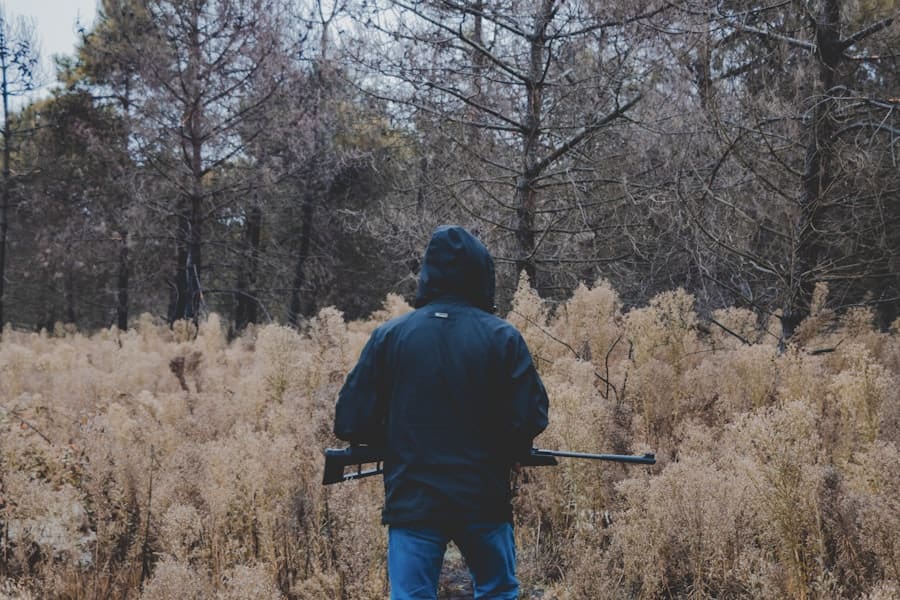
Successful hunting often begins long before opening day. Diligent pre-season preparation and scouting are the foundation upon which effective hunting strategies are built.
Physical Conditioning
Hunting can be physically demanding. Being in good physical condition enhances your safety, endurance, and overall hunting experience.
- Cardiovascular Endurance: Many hunting endeavors involve walking, hiking, and sometimes strenuous climbs. Regular cardiovascular exercise (running, swimming, cycling) improves stamina.
- Strength and Flexibility: Carrying gear, field dressing, and navigating uneven terrain require a reasonable degree of strength and flexibility. Incorporate strength training and stretching into your routine.
- Practice with Gear: If possible, practice hiking with your loaded pack, wearing your hunting boots, and carrying your firearm or bow. This simulates actual hunting conditions and helps identify any discomfort or issues with your gear.
Research and Planning
Knowledge is a powerful tool in hunting. Thorough research and meticulous planning reduce uncertainty and increase your chances of success.
- Species-Specific Behavior: Learn about the habits of your target species: their preferred habitat (food, water, cover), daily routines, breeding cycles, and reactions to human presence. Understanding animal behavior is like deciphering a secret code; the more you understand, the better you can predict.
- Habitat Analysis: Utilize maps (topographical, aerial imagery), online resources, and local wildlife agency reports to understand the terrain, water sources, bedding areas, and feeding locations in your chosen hunting grounds. Look for “edges” – where different habitat types meet – as these are often productive.
- Weather Patterns: Research historical weather patterns for the hunting season in your area. This helps you predict conditions and prepare appropriate gear. Animals’ behavior is often influenced by weather changes.
- Local Regulations Review: Re-read and confirm all regulations for your specific hunting unit and season, even if you think you know them. Regulations can change annually.
Scouting the Hunting Area
Scouting is your personal reconnaissance mission. It provides real-time information about animal activity and terrain.
- Pre-Season Visits: Visit your hunting area before the season opens. This allows you to observe without the pressure of hunting. Look for signs of activity, identify potential stand locations, and familiarize yourself with the landscape.
- Sign Reading: Learn to interpret animal signs.
- Tracks: Identify species by track size, shape, and stride length. Direction of travel can be inferred.
- Scat/Droppings: Provides clues about diet and recent presence.
- Rubs and Scrapes (for ungulates): Rubs (where antlers are rubbed on trees) and scrapes (ground disturbed by hooves and overhanging branches scent-marked) indicate male activity, especially during the rut.
- Browsing and Feeding Sign: Clipped vegetation, gnawed bark, or excavated ground indicate feeding activity.
- Trails: Well-used trails indicate regular travel routes for animals.
- Glassing: Use binoculars or a spotting scope from elevated positions to observe large areas for animal movement or patterns. “Sitting on a mountaintop with good glass is like reading a story from afar.”
- Trail Cameras: Properly deployed trail cameras can provide invaluable intelligence on animal movement patterns, times of activity, and the presence of specific individuals. Be aware of and abide by any local regulations regarding their use.
- Wind Direction: Observe prevailing wind patterns. Animals often use the wind to their advantage to detect predators. Your approach should generally be into the wind.
Hunting Strategies and Techniques
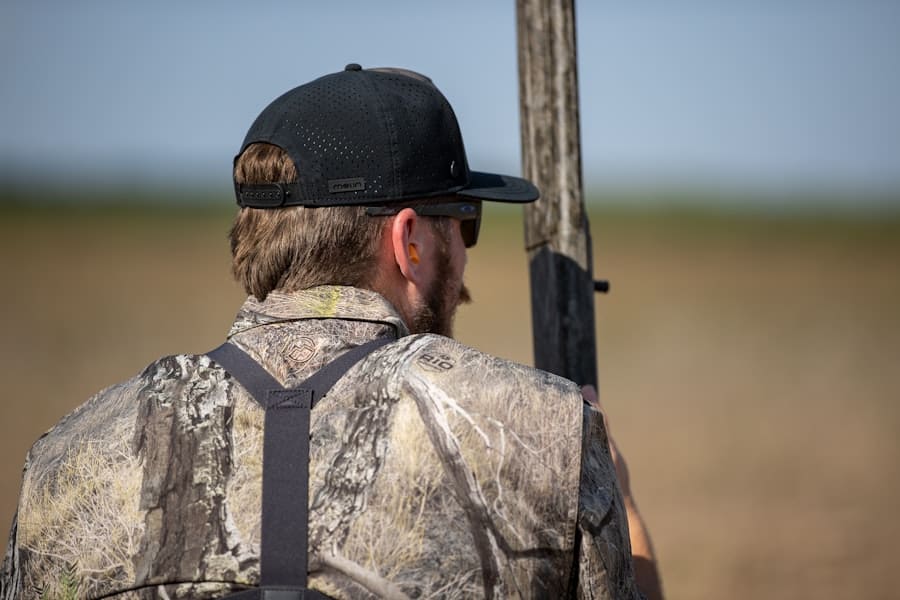
Once prepared, the practical application of hunting demands stealth, patience, and adaptability. This section explores fundamental hunting strategies.
Still-Hunting and Stalking
These methods emphasize quiet movement and observation.
- Still-Hunting: This involves moving slowly and deliberately through an area, pausing frequently (often for 5-10 minutes or more) to observe and listen. “Patience is a weapon.” The goal is to spot game before it spots you, often by detecting movement or a part of an animal, not the whole animal. Use binoculars constantly.
- Stalking: Once game is spotted, stalking involves a slow, silent, and calculated approach to get within shooting range. This requires utilizing cover, moving when the animal’s head is down or it’s otherwise distracted, and understanding wind direction to remain undetected. Every footstep is a potential giveaway.
- Wind Direction: Always hunt into the wind or with a crosswind to prevent your scent from reaching the animal. Scent is often an animal’s primary defense.
- Terrain and Cover: Utilize natural terrain features (ridges, ravines) and vegetation (bushes, tall grass) to conceal your movement and break up your silhouette.
- Quiet Movement: Wear quiet clothing. Avoid noisy gear. Lift your feet rather than dragging them. Step on rocks rather than crunchy leaves when possible.
Stand Hunting
Stationary hunting from a fixed position, often elevated, is a prevalent and effective method.
- Treestands: Elevated platforms
- Safety Harness: A full-body safety harness is non-negotiable for treestand hunting to prevent falls. Falls from treestands are a leading cause of hunting injuries.
- Placement Strategy: Treestands are typically placed along game trails, near food sources, water, or bedding areas. Strategically placing them where animals naturally funnel reduces the need for extensive stalking.
- Wind Consideration: Even in a treestand, wind direction is critical. Position yourself where your scent will be carried away from the expected approach of game.
- Shooting Lanes: Clear shooting lanes around your stand for unobstructed shots.
- Ground Blinds: Enclosed structures (natural or artificial) on the ground.
- Concealment: Ground blinds provide excellent concealment from both sight and often scent (if well-sealed). They afford more movement flexibility than treestands.
- Comfort: Especially useful in inclement weather, ground blinds offer shelter.
- Placement: Similar to treestands, place blinds along game movement corridors.
- Scent Control: While offering some scent reduction, diligent scent control practices are still necessary.
Decoying and Calling
These techniques aim to attract game to your location.
- Decoys: Lifelike representations of animals (deer, turkey, waterfowl).
- Realism: Modern decoys are increasingly realistic. Placement, posture, and the number of decoys can influence their effectiveness.
- Species-Specific Use: Decoys are often used for waterfowl, turkeys, and sometimes deer (especially during the rut).
- Safety: When using decoys, always be aware of other hunters who might mistake your decoy for a live animal. Never set up a decoy between yourself and another hunter.
- Calling: Mimicking animal vocalizations.
- Practice: Effective calling requires practice to produce realistic sounds appropriate for the season and species.
- Types of Calls: Calls range from basic grunt tubes for deer to elaborate pot calls for turkeys or mallard calls for ducks.
- Situational Awareness: Use calls judiciously. Over-calling can alert animals to your presence.
- Reading Animal Response: Learn to interpret an animal’s response to your calls. Sometimes less is more.
If you’re just starting out in the world of hunting, you might find it helpful to explore various resources that can enhance your skills and knowledge. A great companion article to check out is one that discusses essential fishing laws and news, which can provide valuable insights into outdoor regulations and practices. Understanding these aspects can greatly benefit your overall experience in nature. For more information, you can read the article here.
Post-Harvest Responsibilities
| Tip | Description | Recommended Equipment | Skill Level | Success Rate (%) |
|---|---|---|---|---|
| Scout the Area | Spend time observing animal trails and signs before hunting. | Binoculars, Field Guide | Beginner | 60 |
| Use Appropriate Camouflage | Wear clothing that blends with the environment to avoid detection. | Camouflage Clothing | Beginner | 70 |
| Practice Safe Firearm Handling | Learn and follow all safety rules to prevent accidents. | Firearm Safety Course | Beginner | 95 |
| Start with Small Game | Begin hunting with smaller animals to build skills and confidence. | Rifle or Bow suitable for small game | Beginner | 75 |
| Understand Local Regulations | Know hunting seasons, licenses, and legal restrictions. | Hunting License, Regulation Handbook | Beginner | 100 |
| Practice Patience and Stealth | Move slowly and quietly to avoid startling animals. | Quiet Footwear, Practice | Beginner | 65 |
The hunt does not conclude with the shot. Responsibility continues through ethical game recovery, processing, and compliance with reporting requirements.
Game Recovery
After a shot is fired, the immediate priority shifts to ethical and efficient game recovery.
- Patience is Key: Unless there’s a clear, observable immediate drop, or the animal is visibly impaired, resist the urge to immediately pursue a wounded animal. Give it time to lie down and expire. This minimizes the risk of pushing a wounded animal further and losing it. For deer, waiting 30 minutes to several hours (depending on the hit) is often recommended.
- Mark the Shot Location: Mentally (and physically, if possible, with a dropped hat or flagging tape) mark where the animal was standing when shot and where you last saw it. These “landmarks” are critical reference points.
- Track the Animal Diligently: Follow the blood trail, tracks, and disturbed vegetation. Go slowly. Look for blood on both sides of the trail, on leaves, and branches. If the blood trail diminishes, mark the last spot and search in ever-widening circles.
- Utilize Resources: If permitted, a tracking dog can be an invaluable asset for recovering wounded game. If you lose the trail, consider seeking help from an experienced tracker. “A lost animal is an ethical failure.”
Field Dressing
Field dressing is the process of removing the internal organs (viscera) from a harvested animal. This is crucial for cooling the meat and preventing spoilage.
- Hygiene: Wear gloves when field dressing to protect yourself and prevent contamination of the meat.
- Promptness: Perform field dressing as soon as possible after recovery. The faster the internal organs are removed, the quicker the carcass cools and the better the meat quality.
- Basic Technique: Make a shallow incision from the breastbone to the pelvis, carefully avoiding puncturing the intestines or stomach. Reach into the body cavity and sever the trachea and esophagus, then pull out all internal organs.
- Cooling: Once field dressed, elevate the animal if possible to allow air circulation. If temperatures are warm, consider packing the cavity with snow or ice if available. Protect the cavity from insects and dirt.
Transportation and Processing
Getting your game from the field to the table involves careful handling.
- Cleanliness: Maintain cleanliness throughout the process. Prevent dirt, hair, or other contaminants from coming into contact with the meat.
- Cooling Chain: The goal is to cool the meat down rapidly and keep it cold. This inhibits bacterial growth. If weather is warm, quartering the animal and placing the quarters in a cooler with ice (ensuring no direct water contact with meat) may be necessary.
- Legal Tagging: Immediately upon harvest, you must legally tag your animal according to local regulations. This typically involves attaching a physical tag to the animal in a specific manner. Do not move or conceal the animal before tagging.
- Butchering: You have several options for butchering:
- DIY: Learning to butcher your own game is a rewarding skill and ensures you know exactly how your meat is handled. Numerous resources (books, videos) are available.
- Professional Butcher: Many areas have professional wild game processors who can custom butcher and package your meat. This saves time and effort but incurs a cost.
- Storage: Properly wrapped and frozen, venison and other game meats can last for a year or more. Vacuum sealing is highly recommended for long-term storage to prevent freezer burn.
Reporting Requirements
Many jurisdictions require hunters to report their harvests.
- Mandatory Reporting: This is often done online or through a telephone system. It provides vital data for wildlife management agencies to monitor population trends, assess hunting pressure, and set future seasons and bag limits.
- Accurate Information: Provide accurate and complete information regarding the species, sex, location of harvest, and date. Your participation in reporting contributes to sound wildlife conservation.




No comment yet, add your voice below!