Hunting Licenses & Regulations

Photo Hunting Licenses

Hunting licenses and regulations are an essential component of wildlife management and conservation efforts worldwide. These frameworks are designed to control hunting activities, ensuring sustainable populations of game animals and minimizing negative impacts on ecosystems. This article explores the various facets of hunting licenses and regulations, their historical development, modern implementation, and the rationale behind their existence.

The concept of regulating hunting is not new. Throughout history, societies have recognized the need to manage access to wild game, often driven by considerations of food security, resource allocation, and social equity. Early forms of regulation were often informal, based on communal traditions or monarchical decrees.

Feudal Systems and Royal Prerogative

In medieval Europe, hunting was largely the prerogative of the nobility and royalty. Forest laws were established to protect game for their exclusive enjoyment, with severe penalties for poaching. These laws, while restrictive for commoners, inadvertently served as early conservation measures, safeguarding certain species from overexploitation by the general populace. The Magna Carta (1215) in England, for instance, included provisions relating to forest and hunting rights, albeit primarily to define the rights of barons against the King.

Rise of Sport Hunting and Commercialization

The Enlightenment and subsequent industrialization brought significant changes. As firearms became more accessible and efficient, and transportation improved, sport hunting gained popularity. Simultaneously, the commercial harvesting of game for meat, furs, and other products became a lucrative industry. This period, particularly in the 18th and 19th centuries, witnessed unprecedented declines in wildlife populations due to unregulated hunting and habitat destruction. Iconic species like the American bison were driven to the brink of extinction.

Emergence of Conservation Ethos

The late 19th and early 20th centuries saw the birth of the modern conservation movement. Figures like Theodore Roosevelt and John Muir championed the idea that natural resources, including wildlife, were a public trust and required active management. This era marked a shift from viewing wildlife solely as a resource to exploit, to recognizing its intrinsic value and ecological importance. It was during this period that comprehensive hunting regulations and licensing systems began to take shape.

If you’re interested in honing your archery skills, you might find the article on how to shoot a compound bow for beginners particularly helpful. Understanding the basics of archery can complement your knowledge of hunting licenses and regulations, as it prepares you for a more responsible and enjoyable hunting experience. You can read the article here: How to Shoot a Compound Bow for Beginners.

Rationale and Purpose

Hunting licenses and regulations are not arbitrary restrictions; they form a cornerstone of modern wildlife conservation. Their primary purposes are multifaceted, aiming to achieve a balance between human activities and ecological health.

Wildlife Population Management

At its core, regulated hunting serves as a tool for population management. By setting harvest quotas, defining hunting seasons, and specifying legal hunting methods, authorities can control the number of animals taken from a population. This prevents overhunting that could lead to decline or extinction, and in some cases, helps manage populations that might otherwise exceed the carrying capacity of their habitat, leading to unsustainable pressure on resources and potential disease outbreaks. Think of it as a carefully calibrated faucet, controlling the flow of water to maintain a desired level in a reservoir.

Funding for Conservation

A significant portion of the revenue generated from the sale of hunting licenses and tags directly funds wildlife conservation efforts. This includes habitat restoration, research, law enforcement (game wardens), and public education programs. In the United States, the Pittman-Robertson Act of 1937, funded by an excise tax on firearms and ammunition, further augments these conservation efforts, demonstrating a user-pays, user-benefits model.

Data Collection and Research

The licensing process often requires hunters to report their harvests, providing valuable data on wildlife populations. This data, combined with field surveys and scientific research, informs management decisions. By tracking harvest rates, age structures, and geographical distribution, wildlife biologists can assess population health and adjust regulations accordingly. This continuous feedback loop is crucial for adaptive management.

Public Safety and Ethical Hunting

Strict regulations address public safety concerns by dictating safe hunting practices, firearm requirements, and areas where hunting is permitted or prohibited. Furthermore, regulations often incorporate ethical considerations, promoting fair chase principles and discouraging practices deemed inhumane or unsporting. This maintains the integrity of hunting as a pursuit and fosters a sense of responsibility among hunters.

Components of a Licensing System
Hunting Licenses

A typical hunting license system involves several interlocking components, each contributing to its overall effectiveness.

General Hunting Licenses

A general hunting license is the fundamental requirement for participating in hunting activities. It typically grants the holder the privilege to hunt a broad range of common game species (e.g., deer, rabbit, squirrel) within specified seasons and limits. These licenses are usually valid for a specific period, often a year, and may have different tiers for residents and non-residents, with non-resident licenses generally being more expensive.

Species-Specific Tags and Permits

Beyond the general license, hunters often need additional tags or permits for specific, often regulated, game animals. These tags are typically required for larger game species such as elk, moose, bear, or turkey. The number of available tags for these species is often limited and may be allocated through lottery systems or drawing periods to control harvest pressure on vulnerable or highly sought-after populations.

Special Seasons and Methods Permits

Some hunting opportunities are subject to specialized permits that dictate specific hunting seasons or methods. Examples include archery-only seasons, muzzleloader seasons, or special permits for hunting in wildlife management areas or public lands that have unique regulations. These permits aim to distribute hunting pressure, enhance hunter experiences, or facilitate management goals.

Hunter Education Requirements

Many jurisdictions mandate hunter education courses for new hunters, especially those born after a certain date. These courses cover firearm safety, wildlife identification, hunting ethics, game laws, and basic first aid. This requirement ensures that hunters possess the necessary knowledge and skills to hunt safely, ethically, and legally. It serves as a gateway, ensuring a baseline level of competency before entering the field.

Age and Residency Requirements

Minimum age requirements are common, often with provisions for junior hunters who may be required to hunt under the direct supervision of a licensed adult. Residency requirements differentiate between permanent residents of a jurisdiction and non-residents, with different fees and sometimes different privileges. This is often to prioritize opportunities for residents who contribute to the local tax base.

Key Regulatory Elements
Photo Hunting Licenses

Beyond the licensing structure, a comprehensive set of regulations governs various aspects of hunting activity.

Hunting Seasons and Bag Limits

Hunting seasons dictate the specific timeframes during which particular species can be hunted. These seasons are carefully determined based on biological factors such as breeding cycles, migration patterns, and population health. Bag limits specify the maximum number of animals of a particular species that a hunter can harvest within a given period (e.g., daily, seasonal). These are critical for controlling overall harvest and preventing overexploitation.

Legal Hunting Methods

Regulations prescribe what methods and equipment are permissible for hunting different species. This includes restrictions on firearm types, ammunition, bow draw weights, and the use of snares, traps, or nets. For instance, hunting migratory waterfowl often requires the use of non-toxic shot. Prohibited methods might include baiting, using artificial lights (spotlighting), or hunting from motorized vehicles, usually for reasons of fair chase, public safety, or preventing unfair advantage.

Land Access and Trespass Laws

Hunting on private land generally requires the explicit permission of the landowner. Regulations often reinforce trespass laws and specify how hunters must obtain permission. On public lands, specific zones may be designated for hunting, and certain areas, such as parks or protected reserves, may be entirely off-limits. Understanding these boundaries is critical to avoid legal repercussions and maintain good relations with landowners.

Reporting Requirements

Many jurisdictions require hunters to report their harvests within a specific timeframe after taking an animal. This data is crucial for wildlife agencies to monitor population trends, assess the effectiveness of management strategies, and make informed decisions for future seasons. Failing to report a harvest can result in fines or license revocation. This reporting acts as a census, providing vital statistics for population models.

Tagging and Field Dressing

Regulations often mandate the immediate tagging of harvested animals with the appropriate tag, which must remain attached until the animal is processed or at its final destination. This helps ensure that hunters are not taking more than their legal limit and aids in law enforcement. Rules regarding field dressing and transportation of game are also common, aiming to prevent spoilage and ensure proper handling of the meat.

When exploring the intricacies of hunting, understanding the various hunting licenses and regulations is crucial for both novice and experienced hunters. For those looking to find the best hunting spots near them, it is equally important to be aware of the legal requirements that govern these activities. You can learn more about this topic in a related article that discusses the best hunting spots and how to navigate the associated regulations. For more information, check out this insightful piece on the best hunting spots near you.

Enforcement and Penalties

State License Type Cost Valid Duration Required Hunter Education Bag Limits Season Dates
California Resident Hunting License 48 1 Year Yes Varies by species Sep 1 – Dec 31
Texas Non-Resident Hunting License 200 1 Year Yes Varies by species Oct 1 – Feb 28
New York Resident Hunting License 20 1 Year Yes Varies by species Oct 1 – Dec 15
Florida Resident Small Game License 17 1 Year Yes Varies by species Nov 1 – Feb 15
Alaska Resident Hunting License 50 1 Year Yes Varies by species Aug 15 – Dec 31

The efficacy of hunting regulations hinges on robust enforcement and clear penalties for violations.

Game Wardens and Wildlife Officers

Game wardens, often referred to as wildlife officers or conservation officers, are the primary enforcers of hunting and fishing laws. They patrol hunting areas, investigate violations, and educate the public on regulations. Their role combines law enforcement with biological expertise, as they are often involved in wildlife surveys and habitat assessments. They are the eyes and ears in the field, ensuring compliance.

Violations and Offenses

Violations can range from minor infractions, such as failing to tag an animal correctly, to serious offenses like poaching (hunting without a license or out of season), exceeding bag limits, or illegal commercialization of wildlife. Poaching is particularly egregious as it undermines conservation efforts, steals from the public trust, and can severely impact vulnerable wildlife populations.

Penalties and Consequences

Penalties for hunting violations vary widely depending on the severity of the offense. Minor infractions might result in a citation and a fine. More serious violations can lead to substantial fines, seizure of equipment (firearms, vehicles), mandatory community service, loss of hunting privileges (license revocation, often for multiple years or even life), and even incarceration for egregious offenses, particularly those involving endangered species or large-scale commercial poaching. The goal of these penalties is both punitive and deterrent, ensuring compliance and upholding the integrity of the wildlife management system.

Conclusion

Hunting licenses and regulations are not merely bureaucratic hurdles; they are integral to the responsible stewardship of wildlife resources. They represent a carefully constructed framework, evolved over centuries, that balances human interaction with the natural world. By understanding and adhering to these regulations, hunters play a vital role as conservationists, contributing to the health and sustainability of wildlife populations for present and future generations. These rules are the guardrails on the winding road of conservation, keeping us on track towards a future where wildlife thrives.

Shop the Sticks!

Best Hunting Seasons

Photo Hunting Seasons

For hunters seeking optimal conditions, understanding the rhythm of the seasons is paramount. The “best” hunting season is not a fixed point but a dynamic period influenced by species, geography, biological cycles, and regulatory frameworks. This article will delineate the general patterns and specific considerations that define prime hunting opportunities across various contexts.

Deer, including whitetail, mule deer, and blacktail, are among the most popular game animals. Their hunting seasons are carefully calibrated to coincide with distinct phases of their annual life cycle, balancing population management with hunter success.

Early Archery Season

The early archery season typically commences in late summer or early fall. This period often precedes the main rifle seasons and offers a unique set of challenges and advantages.

  • Vegetation Cover: At this time of year, standing crops and dense foliage provide substantial cover for deer. This necessitates meticulous scouting and a keen understanding of deer travel patterns. The hunter, much like a detective, pieces together clues from tracks, browse, and rubs.
  • Weather Conditions: Temperatures can still be high, particularly in southern regions. Hunters must prioritize hydration and employ scent control rigorously, as heat amplifies odors.
  • Deer Behavior: Deer are generally less pressured during early archery season, often maintaining more predictable feeding and bedding patterns. Bucks may still be in bachelor groups, and their antler velvet may have only recently shed, making them less wary than during the rut.

Pre-Rut and Rut Seasons

The pre-rut and rut are often considered the zenith of deer hunting for many enthusiasts. These periods, typically occurring in mid-to-late fall, are characterized by increased deer activity and specific behavioral changes.

  • Pre-Rut Activity: As the pre-rut approaches, usually in October, bucks begin to establish dominance. Rubs and scrapes become more frequent as they mark their territory and communicate with does. This is a time of anticipation; like a coiled spring, their energy is building. Hunters focusing on these signposts can ambush bucks as they patrol their range.
  • The Rut Peak: The rut itself, peaking in early to mid-November for much of North America, is when breeding activity is at its highest. Bucks actively pursue does, often oblivious to their surroundings. This heightened activity makes them more visible and vulnerable. Calling and decoy strategies become highly effective as bucks respond to perceived competition or potential mates.
  • Post-Rut Challenges: Following the peak of the rut, bucks are often exhausted and have lost significant body weight. They may retreat to thicker cover to recover, making them harder to locate. This period demands patience and a shift in tactics, often focusing on food sources as deer replenish energy reserves.

Late Season Hunting

Late season, generally from December through January in many areas, presents its own set of challenges and rewards.

  • Food Scarcity: With colder temperatures and snow cover, natural food sources become scarce. Deer congregate around remaining food plots, agricultural fields, or areas with persistent browse. Hunters must pinpoint these vital resources.
  • Weather Impact: Extreme cold and snow can significantly impact deer movement. Deer will bed down to conserve energy, only moving to feed. This requires hunters to adapt their approach, potentially focusing on shorter windows of activity during the warmest parts of the day.
  • Reduced Pressure: By late season, hunting pressure has often diminished. This can lead to deer becoming somewhat less wary, though their survival instincts remain sharp. Success often hinges on enduring the elements and understanding winter deer behavior.

For those interested in maximizing their outdoor experiences, understanding the best hunting seasons is crucial. However, it’s equally important to know the optimal times for fishing, which can complement your hunting trips. To explore this topic further, check out the article on the best times to fish, which provides valuable insights into seasonal patterns and techniques. You can read it here: Best Time to Fish.

Upland Bird Hunting Seasons

Upland birds, including pheasant, grouse, quail, and partridge, offer a different hunting experience, often characterized by walking vast areas and working with trained dogs. Their seasons are typically concentrated in the fall and early winter.

Early Season Flushing

Early upland bird seasons often begin in September or October, coinciding with agricultural harvests and before heavy snows.

  • Cover Considerations: Early season cover can be dense, particularly in agricultural areas with standing corn or sorghum. Birds will hold tight in this cover, necessitating strong dog work to flush them. For the hunter, it’s like searching for needles in a haystack, but with the added excitement of a sudden explosive flush.
  • Bird Abundance: Populations are generally at their highest early in the season, as juvenile birds have matured but haven’t yet faced significant hunting pressure.
  • Weather: Temperatures can still be mild, making for comfortable walking conditions for both hunter and dog. However, this also means less scent retention for dogs, requiring them to work harder.

Mid-Season Strategies

As the season progresses into November and December, upland bird hunting adapts to changing conditions.

  • Habitat Changes: Colder weather and snow will reduce vegetative cover, concentrating birds in specific areas such as shelterbelts, thickets, or cattail sloughs. This makes locating them somewhat easier, but they may also become warier due to increased pressure.
  • Dog Performance: Colder temperatures can improve scenting conditions for dogs, leading to more accurate points and flushes. However, hunters must monitor their dogs for signs of hypothermia or foot pad injuries in harsh conditions.
  • Flushing Patterns: Birds may run more before flushing as cover diminishes, demanding quick reactions from the hunter and well-trained dogs capable of holding a point and honorably backing.

Late Season Endurance

Late season upland bird hunting, often extending into January, presents the most challenging and rewarding scenarios.

  • Extreme Weather: Deep snow and bitter cold are common. Birds will be congregated in the heaviest cover available, often near reliable food sources. This is a test of resilience for the hunter.
  • Concentrated Birds: While difficult to access, birds that survive into the late season are often concentrated, offering the possibility of multiple flushes in a localized area.
  • Survival Instincts: Late season birds are highly educated and will use every advantage of the terrain and cover to evade detection. Ethical hunting demands patience and respect for these resilient game animals.

Waterfowl Hunting Seasons

Hunting Seasons

Waterfowl hunting, targeting ducks and geese, is deeply intertwined with migratory patterns. Seasons are stratified by flyway and species, reflecting management strategies for these wide-ranging birds.

Early Season Duck Hunting

Early duck seasons typically open in September or October, often targeting resident birds or early migrants.

  • Local Birds: Initially, hunters often target local populations of wood ducks, teal, and early mallards before the main migratory push. These birds may be less wary due to less hunting pressure.
  • Habitat Diversity: Early season hunting can occur over a variety of habitats, including small ponds, marshes, and flooded timber before larger bodies of water freeze.
  • Calling Effectiveness: Calling can be highly effective in the early season as ducks are less accustomed to hunter pressure and respond readily to decoys and calls. Like a siren’s song, well-executed calls can draw them in.

Peak Migration

The peak of waterfowl migration, generally from November through December, is the most anticipated period for many duck and goose hunters.

  • Migratory Waves: Cold fronts to the north trigger massive migrations, bringing fresh waves of birds south. This offers opportunities for diverse bags and increased activity.
  • Decoy Spreads: Large, realistic decoy spreads become more critical as birds are travelling in larger flocks and are warier. Commanders of the air, they assess the landscape carefully.
  • Weather Dependency: Success is often directly related to weather systems. Storms, freezing temperatures, and strong winds can push birds into new areas and increase feeding activity.

Late Season Waterfowling

Late season waterfowl hunting, often extending into January or even February in some southern zones, is characterized by extreme conditions and highly concentrated birds.

  • Frozen Landscape: Most smaller water bodies are frozen, concentrating birds on larger rivers, lakes, and reservoirs with open water, or in agricultural fields.
  • Wary Birds: The birds that remain are highly educated and have survived months of hunting pressure. They require meticulous concealment, minimal movement, and often highly effective calling.
  • Food Focus: Late season birds are heavily focused on reliable food sources to maintain energy. Scouting fields where geese or ducks are actively feeding becomes paramount.

Big Game (Other than Deer) Hunting Seasons

Photo Hunting Seasons

Beyond deer, many large game animals offer distinct hunting opportunities. Seasons for bear, elk, moose, and various sheep species are carefully managed.

Bear Hunting

Bear hunting seasons vary significantly locally, often falling in spring, fall, or both.

  • Spring Bear: Spring bear seasons typically occur shortly after bears emerge from hibernation, often in April or May. They are driven by hunger and focus on new vegetation or carrion. Baiting, where legal, is common.
  • Fall Bear: Fall bear seasons often coincide with berry crops and nut mast, as bears are actively feeding to build fat reserves for winter. Hunting over natural food sources or by spot and stalk methods are common.
  • Vulnerability: In both seasons, the key is understanding their food sources and travel corridors. Like a shadow, they move cautiously through their territory, requiring a hunter’s keen observation.

Elk and Moose Hunting

Elk and moose seasons are primarily concentrated in the fall, often with early archery, general rifle, and late season opportunities.

  • The Rut (Elk and Moose): For both species, the rut is a prime hunting period. For elk, this is typically September into early October, characterized by bugling and active bull elk. For moose, the rut can extend from late September into October. During this period, bulls are less cautious, responding to calls and decoys.
  • Habitat and Terrain: Elk and moose often inhabit rugged, remote terrain, demanding physical conditioning and robust gear. Their home is the wilderness, and hunters must enter it on its terms.
  • Winter Range Hunting (Late Season): As winter sets in, elk and moose may move to lower elevations and more accessible winter ranges. These late seasons often present opportunities amidst challenging weather, focusing on their specific survival needs.

If you’re looking to enhance your outdoor adventures, understanding the best hunting seasons is crucial for a successful experience. In addition to hunting, you might find it beneficial to explore the regulations and updates regarding fishing, which can complement your time spent in nature. For more information on fishing laws and news, check out this insightful article on fishing regulations. This resource can help you stay informed and make the most of your outdoor activities throughout the year.

Small Game Hunting Seasons

Game Best Hunting Season Peak Months Region Notes
White-tailed Deer Fall October – November North America Rut season increases activity
Elk Fall September – October Western US, Canada Early season archery preferred
Wild Turkey Spring April – May US, Canada Breeding season, males are more visible
Black Bear Late Summer to Early Fall August – September North America Pre-hibernation feeding period
Waterfowl (Ducks & Geese) Fall to Early Winter September – December North America, Europe Migration periods
Pronghorn Antelope Fall September – October Western US Open terrain hunting

Small game animals like rabbits, squirrels, and furbearers offer accessible and often longer hunting seasons, providing continuous opportunities for hunters.

Fall and Winter Hunting

Small game seasons typically open in early fall and can extend through late winter.

  • Squirrels: Squirrel seasons often begin in late summer or early fall. Early season opportunities are found among nut-bearing trees as squirrels actively forage. Later in the season, after leaf fall, they are easier to spot, but also more wary.
  • Rabbits: Rabbit seasons usually start in the fall and continue through the winter. Hunting after a fresh snow can be highly effective, as tracks reveal their presence and movements. Like threads in a tapestry, their trails tell a story.
  • Furbearers: Furbearer seasons (fox, coyote, bobcat, etc.) are generally concentrated in the colder months when their pelts are prime. Predator calling is a primary method, often more effective in colder, calmer conditions.
  • Accessibility: Small game hunting often requires less specialized gear and can be pursued closer to populated areas, making it a good entry point for new hunters or those seeking frequent outings.

The “best” hunting season is subjective, contingent on individual preferences, target species, and geographical location. Hunters are encouraged to consult local state or provincial wildlife regulations for precise season dates, bag limits, and specific species regulations, as these are critical for responsible and legal hunting practices. Understanding these seasonal nuances is fundamental to effective hunting and contributes to the sustainable management of wildlife resources.

Shop the Sticks!

Hunting Tips for Beginners

Photo Hunting Tips

Hunting, for many, is more than a sport; it is an endeavor rooted in tradition, sustenance, and connection with nature. Before venturing afield, a fundamental understanding of its ethical, legal, and practical dimensions is essential. This section will lay the groundwork for your journey into hunting.

Ethical Considerations

Hunting carries a significant ethical responsibility. This responsibility extends to the animals pursued, the environment, and fellow human beings.

  • Fair Chase: This principle dictates that hunters should not take unfair advantage of an animal. This includes avoiding hunting animals that are confined, unaware of the hunter’s presence due to artificial means (e.g., baiting where prohibited), or in situations where the animal has no reasonable chance of escape. The goal is to provide the animal with a fair opportunity to evade capture.
  • Respect for Wildlife: Hunters have a duty to respect the animals they pursue. This means prioritizing a quick and humane kill, minimizing suffering, and utilizing as much of the harvested animal as possible. Waste of game meat is generally considered unethical.
  • Conservation: Hunting is inextricably linked with conservation. Hunters, through license fees and excise taxes on equipment, are often primary funders of wildlife management and habitat restoration. Ethical hunters are stewards of the land and its creatures, understanding that sustainable hunting practices ensure healthy wildlife populations for future generations.
  • Public Perception: The actions of individual hunters reflect on the entire hunting community. Adhering to high ethical standards helps maintain a positive public perception of hunting.

Legal Requirements

Before even contemplating a hunting trip, understanding and adhering to all applicable laws is paramount. Ignorance of the law is not a defense.

  • Licenses and Permits: All jurisdictions require hunters to possess a valid hunting license. This license typically demonstrates that the individual has met minimum requirements, such as completing a hunter education course. Depending on the species, location, and hunting method, additional permits or tags may be required (e.g., deer tags, waterfowl stamps).
  • Hunter Education: Most regions mandate completion of a hunter education course before a hunting license can be obtained, especially for first-time hunters. These courses cover firearm safety, wildlife identification, hunting ethics, and legal regulations. They are invaluable for building a foundational understanding of safe and responsible hunting.
  • Season Dates and Bag Limits: Hunting is strictly regulated by season dates, which specify when particular species can be hunted. These dates are determined by wildlife biologists to ensure sustainable populations. Bag limits dictate the maximum number of animals of a specific species that a hunter can harvest within a given period (e.g., daily, seasonally). Exceeding bag limits is a serious offense.
  • Weapon Restrictions: Laws vary regarding the types of firearms, bows, and other hunting implements permitted for specific species and in different areas. For example, shotgun-only zones for deer hunting are common in suburban areas for safety reasons. Understanding caliber restrictions, magazine capacity limits, and projectile types is crucial.
  • Private vs. Public Land: Hunting on private land requires explicit permission from the landowner. Trespassing is illegal and unethical. Public lands often have specific regulations regarding hunting, including designated hunting areas and access restrictions. Researching land ownership and regulations beforehand is essential.

Choosing Your First Game Species

Selecting an appropriate first game species is a significant decision. Consider factors that align with your capabilities and local opportunities.

  • Abundance and Accessibility: Beginners often benefit from targeting species that are relatively abundant and accessible in their desired hunting areas. This increases the likelihood of encountering game and developing foundational skills.
  • Difficulty Level: Some animals are inherently more challenging to hunt due to their keen senses, elusive nature, or habitat preferences. Starting with a less challenging species can build confidence and skills before moving to more difficult pursuits. Upland birds (pheasant, quail) or small game (squirrel, rabbit) are often recommended for beginners due to their relative abundance and less complex hunting strategies.
  • Local Regulations and Seasons: The chosen species must be legally huntable in your area during the appropriate season. Consult local wildlife agencies for species-specific regulations.

If you’re new to hunting and looking to enhance your skills, it’s essential to equip yourself with the right gear. For a comprehensive guide on the best hunting gear and weapons that can significantly improve your experience in the field, check out this informative article on best hunting gear and weapons. This resource will help you understand what tools are necessary for a successful hunt, making it a perfect companion to your hunting tips for beginners.

Essential Gear for the Beginner Hunter

Proper equipment is not merely a convenience; it is a critical component of safety, success, and comfort in the field. This section outlines fundamental gear considerations.

Firearms and Ammunition

The choice of firearm is central to many hunting disciplines. Safety and proficiency are paramount.

  • Safety First: Treat every firearm as if it were loaded. Always point the muzzle in a safe direction. Keep your finger off the trigger until you are ready to shoot. Be sure of your target and what is beyond it. These four rules of firearm safety are non-negotiable.
  • Appropriate Caliber/Gauge: The caliber of a rifle or the gauge of a shotgun must be appropriate for the intended game. Using too small a caliber risks injuring an animal without dispatching it humanely. Conversely, an oversized caliber might be overkill and unnecessarily damaging to meat. Consult local regulations and experienced hunters for recommendations.
  • Familiarization and Practice: Before hunting, you must be proficient with your chosen firearm. This means understanding its operation, safely loading and unloading it, and, most importantly, putting rounds downrange at a shooting range. Practice from various positions (standing, kneeling, prone) to simulate real hunting scenarios. Consistent practice builds muscle memory and accuracy.
  • Ammunition Selection: Ammunition types vary significantly (e.g., bullet construction for rifles, shot size for shotguns). Matching the ammunition to the game and the firearm is crucial for optimal performance and humane kills. For instance, expanding bullets are typically used for big game to ensure energy transfer and a quick dispatch.
  • Maintenance: Proper cleaning and maintenance of your firearm ensure its reliability and longevity. A well-maintained firearm is a safe firearm.

Archery Equipment

For those choosing the path of the bowhunter, specialized equipment is required, and proficiency is even more critical.

  • Bow Type: Compound bows are highly popular for hunting due to their speed, power, and often lighter pull weight when at full draw (let-off). Recurve bows and longbows offer a more traditional challenge.
  • Draw Weight: The draw weight (the force required to pull the string back) must be manageable for you. Attempting to shoot a bow with too heavy a draw weight will lead to poor accuracy and fatigue.
  • Arrow Selection: Arrows must be matched to the bow’s draw weight and length, and the intended game. Broadheads (specialized hunting arrowheads) come in various designs, all intended for quick, humane kills.
  • Practice and Accuracy: Bowhunting requires an exceptionally high degree of accuracy. Ethical shots with a bow are typically delivered at closer ranges than with firearms. Extensive practice is essential to ensure consistent, accurate shot placement under various conditions.

Essential Clothing and Footwear

Your attire serves as your first line of defense against the elements and impacts your comfort and stealth.

  • Layering System: The outdoor environment is often unpredictable. A layering system allows you to adapt to changing temperatures and activity levels. A base layer wicks moisture away from the skin, a mid-layer provides insulation, and an outer layer offers protection from wind and rain.
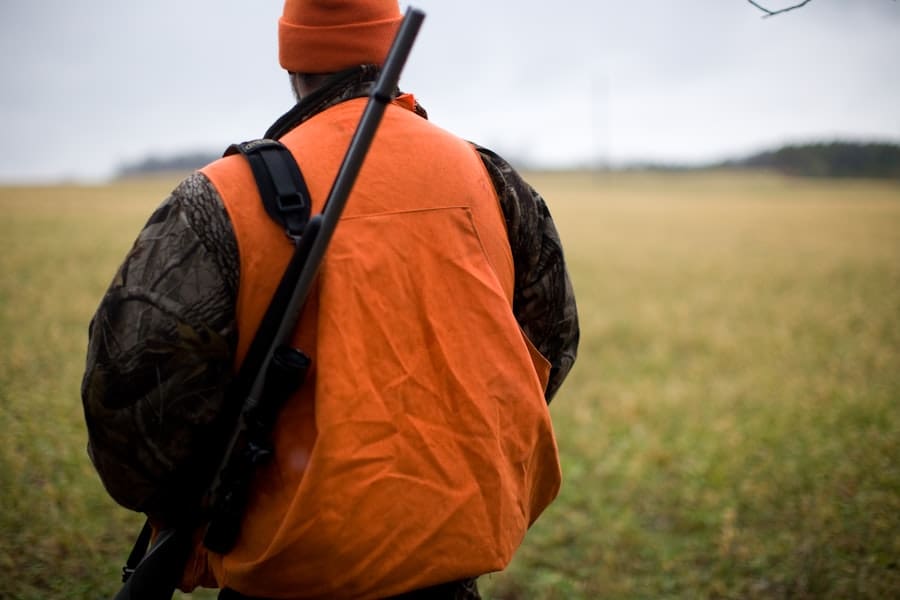
  • Camouflage vs. Blaze Orange: While camouflage helps break up your silhouette, blaze orange (or blaze pink in some areas) is legally mandated for big game hunting in many jurisdictions for safety reasons. It makes you visible to other human hunters, preventing accidental shootings, while animals typically do not perceive these colors in the same way.
  • Durable and Comfortable Footwear: Your feet are your primary mode of transportation. Invest in waterproof, insulated, and well-fitting boots that provide ankle support. Break them in before your hunt to prevent blisters.
  • Weather-Appropriate Gear: Rain gear, warm hats, gloves, and neck gaiters are crucial depending on the climate and season. Being cold and wet will significantly diminish your focus and enjoyment.

Navigation and Safety Tools

Even with modern technology, basic navigation and safety preparedness remain critical.

  • Map and Compass/GPS: While GPS units and smartphone apps are convenient, always carry a physical map of your hunting area and a compass. Learn how to use them. Batteries die; paper maps do not. Understand your location and planned route.
  • First-Aid Kit: A compact, well-stocked first-aid kit is a non-negotiable item. It should contain supplies for minor injuries and emergency situations.
  • Communication Device: A fully charged cell phone is a good idea, but signal can be unreliable in remote areas. Consider a satellite communication device for true off-grid emergencies.
  • Knife/Multi-tool: A sharp knife is invaluable for field dressing, cutting cordage, and various other tasks. A multi-tool offers versatility.
  • Headlamp/Flashlight: Even if you plan to be out during daylight, unforeseen circumstances can lead to needing light. Headlamps allow for hands-free operation.
  • Fire Starter: Waterproof matches, a lighter, or a ferro rod can be life-saving in an emergency for warmth or signaling.

Pre-Season Preparation and Scouting

Hunting Tips

Successful hunting often begins long before opening day. Diligent pre-season preparation and scouting are the foundation upon which effective hunting strategies are built.

Physical Conditioning

Hunting can be physically demanding. Being in good physical condition enhances your safety, endurance, and overall hunting experience.

  • Cardiovascular Endurance: Many hunting endeavors involve walking, hiking, and sometimes strenuous climbs. Regular cardiovascular exercise (running, swimming, cycling) improves stamina.
  • Strength and Flexibility: Carrying gear, field dressing, and navigating uneven terrain require a reasonable degree of strength and flexibility. Incorporate strength training and stretching into your routine.
  • Practice with Gear: If possible, practice hiking with your loaded pack, wearing your hunting boots, and carrying your firearm or bow. This simulates actual hunting conditions and helps identify any discomfort or issues with your gear.

Research and Planning

Knowledge is a powerful tool in hunting. Thorough research and meticulous planning reduce uncertainty and increase your chances of success.

  • Species-Specific Behavior: Learn about the habits of your target species: their preferred habitat (food, water, cover), daily routines, breeding cycles, and reactions to human presence. Understanding animal behavior is like deciphering a secret code; the more you understand, the better you can predict.
  • Habitat Analysis: Utilize maps (topographical, aerial imagery), online resources, and local wildlife agency reports to understand the terrain, water sources, bedding areas, and feeding locations in your chosen hunting grounds. Look for “edges” – where different habitat types meet – as these are often productive.
  • Weather Patterns: Research historical weather patterns for the hunting season in your area. This helps you predict conditions and prepare appropriate gear. Animals’ behavior is often influenced by weather changes.
  • Local Regulations Review: Re-read and confirm all regulations for your specific hunting unit and season, even if you think you know them. Regulations can change annually.

Scouting the Hunting Area

Scouting is your personal reconnaissance mission. It provides real-time information about animal activity and terrain.

  • Pre-Season Visits: Visit your hunting area before the season opens. This allows you to observe without the pressure of hunting. Look for signs of activity, identify potential stand locations, and familiarize yourself with the landscape.
  • Sign Reading: Learn to interpret animal signs.
  • Tracks: Identify species by track size, shape, and stride length. Direction of travel can be inferred.
  • Scat/Droppings: Provides clues about diet and recent presence.
  • Rubs and Scrapes (for ungulates): Rubs (where antlers are rubbed on trees) and scrapes (ground disturbed by hooves and overhanging branches scent-marked) indicate male activity, especially during the rut.
  • Browsing and Feeding Sign: Clipped vegetation, gnawed bark, or excavated ground indicate feeding activity.
  • Trails: Well-used trails indicate regular travel routes for animals.
  • Glassing: Use binoculars or a spotting scope from elevated positions to observe large areas for animal movement or patterns. “Sitting on a mountaintop with good glass is like reading a story from afar.”
  • Trail Cameras: Properly deployed trail cameras can provide invaluable intelligence on animal movement patterns, times of activity, and the presence of specific individuals. Be aware of and abide by any local regulations regarding their use.
  • Wind Direction: Observe prevailing wind patterns. Animals often use the wind to their advantage to detect predators. Your approach should generally be into the wind.

Hunting Strategies and Techniques

Photo Hunting Tips

Once prepared, the practical application of hunting demands stealth, patience, and adaptability. This section explores fundamental hunting strategies.

Still-Hunting and Stalking

These methods emphasize quiet movement and observation.

  • Still-Hunting: This involves moving slowly and deliberately through an area, pausing frequently (often for 5-10 minutes or more) to observe and listen. “Patience is a weapon.” The goal is to spot game before it spots you, often by detecting movement or a part of an animal, not the whole animal. Use binoculars constantly.
  • Stalking: Once game is spotted, stalking involves a slow, silent, and calculated approach to get within shooting range. This requires utilizing cover, moving when the animal’s head is down or it’s otherwise distracted, and understanding wind direction to remain undetected. Every footstep is a potential giveaway.
  • Wind Direction: Always hunt into the wind or with a crosswind to prevent your scent from reaching the animal. Scent is often an animal’s primary defense.
  • Terrain and Cover: Utilize natural terrain features (ridges, ravines) and vegetation (bushes, tall grass) to conceal your movement and break up your silhouette.
  • Quiet Movement: Wear quiet clothing. Avoid noisy gear. Lift your feet rather than dragging them. Step on rocks rather than crunchy leaves when possible.

Stand Hunting

Stationary hunting from a fixed position, often elevated, is a prevalent and effective method.

  • Treestands: Elevated platforms
  • Safety Harness: A full-body safety harness is non-negotiable for treestand hunting to prevent falls. Falls from treestands are a leading cause of hunting injuries.
  • Placement Strategy: Treestands are typically placed along game trails, near food sources, water, or bedding areas. Strategically placing them where animals naturally funnel reduces the need for extensive stalking.
  • Wind Consideration: Even in a treestand, wind direction is critical. Position yourself where your scent will be carried away from the expected approach of game.
  • Shooting Lanes: Clear shooting lanes around your stand for unobstructed shots.
  • Ground Blinds: Enclosed structures (natural or artificial) on the ground.
  • Concealment: Ground blinds provide excellent concealment from both sight and often scent (if well-sealed). They afford more movement flexibility than treestands.
  • Comfort: Especially useful in inclement weather, ground blinds offer shelter.
  • Placement: Similar to treestands, place blinds along game movement corridors.
  • Scent Control: While offering some scent reduction, diligent scent control practices are still necessary.

Decoying and Calling

These techniques aim to attract game to your location.

  • Decoys: Lifelike representations of animals (deer, turkey, waterfowl).
  • Realism: Modern decoys are increasingly realistic. Placement, posture, and the number of decoys can influence their effectiveness.
  • Species-Specific Use: Decoys are often used for waterfowl, turkeys, and sometimes deer (especially during the rut).
  • Safety: When using decoys, always be aware of other hunters who might mistake your decoy for a live animal. Never set up a decoy between yourself and another hunter.
  • Calling: Mimicking animal vocalizations.
  • Practice: Effective calling requires practice to produce realistic sounds appropriate for the season and species.
  • Types of Calls: Calls range from basic grunt tubes for deer to elaborate pot calls for turkeys or mallard calls for ducks.
  • Situational Awareness: Use calls judiciously. Over-calling can alert animals to your presence.
  • Reading Animal Response: Learn to interpret an animal’s response to your calls. Sometimes less is more.

If you’re just starting out in the world of hunting, you might find it helpful to explore various resources that can enhance your skills and knowledge. A great companion article to check out is one that discusses essential fishing laws and news, which can provide valuable insights into outdoor regulations and practices. Understanding these aspects can greatly benefit your overall experience in nature. For more information, you can read the article here.

Post-Harvest Responsibilities

Tip Description Recommended Equipment Skill Level Success Rate (%)
Scout the Area Spend time observing animal trails and signs before hunting. Binoculars, Field Guide Beginner 60
Use Appropriate Camouflage Wear clothing that blends with the environment to avoid detection. Camouflage Clothing Beginner 70
Practice Safe Firearm Handling Learn and follow all safety rules to prevent accidents. Firearm Safety Course Beginner 95
Start with Small Game Begin hunting with smaller animals to build skills and confidence. Rifle or Bow suitable for small game Beginner 75
Understand Local Regulations Know hunting seasons, licenses, and legal restrictions. Hunting License, Regulation Handbook Beginner 100
Practice Patience and Stealth Move slowly and quietly to avoid startling animals. Quiet Footwear, Practice Beginner 65

The hunt does not conclude with the shot. Responsibility continues through ethical game recovery, processing, and compliance with reporting requirements.

Game Recovery

After a shot is fired, the immediate priority shifts to ethical and efficient game recovery.

  • Patience is Key: Unless there’s a clear, observable immediate drop, or the animal is visibly impaired, resist the urge to immediately pursue a wounded animal. Give it time to lie down and expire. This minimizes the risk of pushing a wounded animal further and losing it. For deer, waiting 30 minutes to several hours (depending on the hit) is often recommended.
  • Mark the Shot Location: Mentally (and physically, if possible, with a dropped hat or flagging tape) mark where the animal was standing when shot and where you last saw it. These “landmarks” are critical reference points.
  • Track the Animal Diligently: Follow the blood trail, tracks, and disturbed vegetation. Go slowly. Look for blood on both sides of the trail, on leaves, and branches. If the blood trail diminishes, mark the last spot and search in ever-widening circles.
  • Utilize Resources: If permitted, a tracking dog can be an invaluable asset for recovering wounded game. If you lose the trail, consider seeking help from an experienced tracker. “A lost animal is an ethical failure.”

Field Dressing

Field dressing is the process of removing the internal organs (viscera) from a harvested animal. This is crucial for cooling the meat and preventing spoilage.

  • Hygiene: Wear gloves when field dressing to protect yourself and prevent contamination of the meat.
  • Promptness: Perform field dressing as soon as possible after recovery. The faster the internal organs are removed, the quicker the carcass cools and the better the meat quality.
  • Basic Technique: Make a shallow incision from the breastbone to the pelvis, carefully avoiding puncturing the intestines or stomach. Reach into the body cavity and sever the trachea and esophagus, then pull out all internal organs.
  • Cooling: Once field dressed, elevate the animal if possible to allow air circulation. If temperatures are warm, consider packing the cavity with snow or ice if available. Protect the cavity from insects and dirt.

Transportation and Processing

Getting your game from the field to the table involves careful handling.

  • Cleanliness: Maintain cleanliness throughout the process. Prevent dirt, hair, or other contaminants from coming into contact with the meat.
  • Cooling Chain: The goal is to cool the meat down rapidly and keep it cold. This inhibits bacterial growth. If weather is warm, quartering the animal and placing the quarters in a cooler with ice (ensuring no direct water contact with meat) may be necessary.
  • Legal Tagging: Immediately upon harvest, you must legally tag your animal according to local regulations. This typically involves attaching a physical tag to the animal in a specific manner. Do not move or conceal the animal before tagging.
  • Butchering: You have several options for butchering:
  • DIY: Learning to butcher your own game is a rewarding skill and ensures you know exactly how your meat is handled. Numerous resources (books, videos) are available.
  • Professional Butcher: Many areas have professional wild game processors who can custom butcher and package your meat. This saves time and effort but incurs a cost.
  • Storage: Properly wrapped and frozen, venison and other game meats can last for a year or more. Vacuum sealing is highly recommended for long-term storage to prevent freezer burn.

Reporting Requirements

Many jurisdictions require hunters to report their harvests.

  • Mandatory Reporting: This is often done online or through a telephone system. It provides vital data for wildlife management agencies to monitor population trends, assess hunting pressure, and set future seasons and bag limits.
  • Accurate Information: Provide accurate and complete information regarding the species, sex, location of harvest, and date. Your participation in reporting contributes to sound wildlife conservation.

Shop the Sticks!

Best Hunting Spots Near You

Photo Hunting Spots

Navigating the landscape of hunting requires understanding the specific ecological zones and wildlife populations present in a given area. This guide outlines common approaches to identifying and evaluating hunting grounds, emphasizing practical considerations for the sportsman and sportswoman.

Understanding Local Ecosystems

The success of any hunting excursion hinges on a foundational understanding of the environment in which a hunt takes place. Different ecosystems support distinct flora and fauna, and knowledge of these relationships is crucial for effective hunting.

Forested Regions

Forests, characterized by dense tree cover, can offer excellent habitat for various game species. The density of vegetation impacts visibility and the behavior of animals.

Deciduous Forests

These forests, dominated by trees that shed their leaves annually, present changing conditions throughout the year. Spring and fall offer distinct advantages for hunters. In spring, new growth can attract herbivores, while the falling leaves in autumn can aid in stealthy movement for hunters, and provide foraging opportunities for game birds.

Wildlife Sign Interpretation

Tracking game in deciduous forests involves interpreting signs such as tracks, scat, and browse marks. The leaf litter allows for clear observation of footprints, and the open understory in certain seasons can make spotting animals easier.

Coniferous Forests

Conifers, with their evergreen needles, provide consistent cover year-round. This uniformity can present different challenges and opportunities for hunters.

Winter Hunting Considerations

The constant foliage of coniferous forests can offer concealment for game during winter months. Hunters may need to adapt their strategies, focusing on areas where snow cover might reveal animal passage or where game congregates around food sources.

Grasslands and Open Fields

Expansive areas of grasses and herbaceous plants are vital habitats for different sets of species. The open nature of these environments dictates a distinct hunting approach.

Prairie Ecosystems

Prairies, with their vast expanses, are home to large grazing animals and ground-dwelling birds. The lack of dense cover necessitates a focus on long-range observation and patient stalking.

Wind Direction and Concealment

In open fields, wind direction is a paramount consideration. Animals have a keen sense of smell, and hunters must position themselves upwind to avoid detection. Natural depressions and scattered brush can serve as temporary blinds.

Agricultural Lands

Fringes of agricultural fields, often bordered by hedgerows or small woodlands, can attract game seeking food and shelter. These transitional zones can be highly productive.

Crop Cycles and Game Attraction

Understanding crop cycles is essential. Fields of ripening grain, corn, or other produce act as magnets for herbivores and granivorous birds. Hunting near these areas during peak harvest times can be rewarding.

Wildlife Management Areas and Public Lands

Designated wildlife management areas and extensive public land holdings often represent prime hunting opportunities, managed with the intention of sustaining healthy game populations.

State and National Forests

These publicly owned forests are managed for multiple uses, including timber production, recreation, and wildlife conservation. They typically offer substantial acreage for hunting.

Regulations and Permitting

Access to state and national forests is governed by specific regulations. Hunters must familiarize themselves with licensing requirements, season dates, bag limits, and any specific rules for the particular forest or WMA. Permit applications may be necessary for certain species or areas.

Understanding Season Dates

Season dates are precisely calibrated to align with wildlife breeding cycles and population dynamics. Adhering strictly to these dates is not only a legal requirement but also a conservation imperative.

Wildlife Management Areas (WMAs)

WMAs are specifically managed to provide habitat and hunting opportunities for wildlife. They often feature habitat improvement projects and hunter access infrastructure.

Access Points and Hunter Access

WMAs typically have designated access points, trail systems, and sometimes even designated hunting zones. Consulting WMA maps and scouting beforehand is advisable to understand the terrain and potential entry points.

Pre-Season Scouting

Thorough pre-season scouting is a cornerstone of successful hunting on WMAs. Identifying game sign, water sources, and bedding areas can provide a significant advantage.

Private Land Opportunities

Hunting on private land can offer access to areas not available to the general public. This often requires building relationships with landowners or participating in leasing arrangements.

Landowner Permissions

Directly approaching landowners to request permission to hunt is a customary practice. Building a rapport based on respect for property and wildlife management can lead to long-term hunting access.

Responsible Hunting Practices

Demonstrating responsible hunting practices, including ethical shot placement, proper game retrieval, and adherence to all laws, is crucial for maintaining good relationships with landowners and ensuring future access.

Leave No Trace Principles

The “Leave No Trace” ethos is paramount when hunting on private property. This involves minimizing impact, properly disposing of waste, and leaving the land as you found it, or better.

Hunting Leases

For hunters seeking dedicated access to significant tracts of land, hunting leases offer a structured arrangement. This involves a contractual agreement with a landowner to hunt a specific property.

Lease Agreements and Responsibilities

Lease agreements outline the terms of use, fees, and responsibilities of both the lessor and lessee. It is essential to carefully review and understand all clauses before signing.

Cooperative Wildlife Management

Leaseholders often engage in cooperative wildlife management with landowners, contributing to habitat improvement and population monitoring.

Geographic Considerations and Wildlife Diversity

The geographical location dictates the types of game that inhabit an area and the specific ecological niches they occupy. Understanding these relationships is fundamental to selecting appropriate hunting grounds.

Topographical Features

Mountains, valleys, rivers, and lakes create diverse habitats that attract different species. These features also influence hunter movement and strategy.

Ridgeline Hunting

Hunting along ridgelines in mountainous terrain can offer broad visibility and opportunities to intercept game moving between higher and lower elevations. However, it can also expose the hunter to the elements.

Elevation and Game Movement

Game animals often adjust their activity based on elevation. Understanding these patterns, particularly in relation to feeding and bedding areas at different altitudes, is important.

Water Sources and Game Concentration

Rivers, streams, and lakes are vital for wildlife. Animals will often congregate near water sources for drinking and foraging, making these areas prime hunting spots.

Riparian Zones as Hunting Hubs

Riparian zones, the areas along waterways, are typically lush and provide a concentrated food source, attracting a variety of game species.

Vegetation Types

The dominant vegetation directly influences the types of game present and the hunting techniques required.

Marsh and Wetland Habitats

Wetlands, characterized by saturated soil and standing water, are critical for waterfowl and some furbearers. Hunting in these areas often requires specialized equipment and knowledge.

Waterfowl Blind Considerations

The use of waterfowl blinds, designed to conceal hunters and decoys, is common in marshy environments. Understanding wind direction and flight paths is crucial for successful waterfowl hunting.

Scrub and Brushland

Areas dominated by shrubs and dense undergrowth can provide excellent cover for smaller game species and ambush predators.

Flushing Cover for Upland Birds

Scrub and brushland often serves as flushing cover for upland birds like quail and grouse. Hunters may employ dogs to help locate and flush these birds.

Utilizing Resources for Hunting Information

Accessing reliable information is a critical component of effectively locating and evaluating hunting opportunities. Various resources are available to aid sportsmen and sportswomen.

State Wildlife Agency Websites

State wildlife agencies are the primary source of information regarding hunting regulations, season dates, land access, and wildlife population data for each state.

Regulation Booklets and Online Resources

Most state wildlife agencies publish detailed regulation booklets annually, which can be found online or at license vendors. These documents are the governing text for hunting within the state.

Hunter Education Requirements

Many states mandate hunter education courses for first-time hunters. These courses cover safety, ethics, and regulations, and are often accessible online through state wildlife agency portals.

Hunting Apps and Online Forums

A proliferation of hunting-specific mobile applications and online forums provide platforms for information sharing and community engagement.

Crowdsourced Location Data

Some apps offer crowdsourced data on game sightings, successful hunting areas, and general conditions. While these can be helpful, it is important to verify information from multiple sources.

Forum Discussions on Local Game

Online hunting forums often feature discussions specific to local game populations and prime hunting areas. Engaging in these communities can yield valuable anecdotal information.

Wildlife Biologist Reports and Surveys

State and federal wildlife agencies conduct regular surveys and publish reports on wildlife populations. These scientific assessments provide valuable insights into the health and distribution of game species.

Population Trend Analysis

Understanding population trends, whether increasing or decreasing, can inform decisions about where and when to hunt. These reports often highlight areas with robust game populations.

Habitat Suitability Assessments

Biologist reports may also include assessments of habitat suitability, identifying areas that are most likely to support healthy game populations in the long term.

Shop the Sticks!

Best Hunting Gear & Weapons

Photo Hunting Gear

Hunting gear and weaponry are the tools that bridge the gap between intention and execution in the pursuit of game. Selecting the right equipment can significantly influence a hunter’s success, safety, and ethical approach to the activity. This article provides an overview of essential hunting gear and common weapon types, focusing on their functionality and considerations for selection.

Firearms remain the most prevalent category of hunting weapons. Their effectiveness lies in their ability to deliver a projectile with considerable force and accuracy at range. The choice of firearm is dictated by the type of game being pursued, legal regulations, and the hunter’s proficiency.

Rifles

Rifles are characterized by a rifled barrel, which imparts a spin to the bullet, stabilizing its flight and enhancing accuracy. They are the weapon of choice for most medium to large game, offering the necessary power and range.

Bolt-Action Rifles

The bolt-action rifle is a workhorse of the hunting world. Its design features a manually operated bolt that cycles cartridges in and out of the chamber. This mechanism is known for its reliability, simplicity, and inherent accuracy. The straightforward operation makes it less prone to malfunctions in adverse weather conditions. A bolt-action rifle is akin to a well-tuned engine; each component works in harmony to deliver consistent performance.

  • Action: The bolt allows for the loading, firing, and ejection of cartridges. It requires manual manipulation for each shot.
  • Caliber: The caliber refers to the diameter of the bore and the projectile. Common hunting calibers range from smaller options like .223 Remington for varmints to larger ones like .30-06 Springfield or .300 Winchester Magnum for larger game. The chosen caliber must match the game’s size and the ethical harvesting of that animal.
  • Ammunition: Bullets are designed with various constructions, including soft-point, full-metal jacket, and bonded cores, each suited for different game types and desired terminal ballistics.
  • Barrels: Barrel length influences muzzle velocity and accuracy. Longer barrels generally provide higher velocities, while shorter barrels offer greater maneuverability.

Lever-Action Rifles

Lever-action rifles offer a faster rate of fire than bolt-action rifles, facilitated by a lever located below the receiver. This action is often favored for hunting in dense cover where quick follow-up shots might be necessary. The visual and operational characteristics of a lever-action rifle evoke a sense of classic hunting tradition.

  • Action: The lever cycles ammunition, making it faster to operate than a bolt action for subsequent shots.
  • Tube Magazine: Many lever-action rifles utilize a tubular magazine located beneath the barrel to store ammunition.
  • Common Calibers: Popular calibers include .30-30 Winchester and .45-70 Government, often associated with large game such as deer and bear.

Semi-Automatic Rifles

Semi-automatic rifles fire a round and then utilize the energy of that shot to automatically cycle the next round into the chamber. While offering rapid firing capability, their complexity can sometimes make them more susceptible to malfunctions than simpler action types.

  • Action: The rifle automatically loads the next round after a shot is fired, without manual cycling by the user.
  • Magazine: Typically use box magazines for ammunition.
  • Applications: Can be used for various game, though regulations may restrict their use for certain species or in specific hunting scenarios.

Shotguns

Shotguns are designed to fire a shell containing multiple pellets (shot) or a single projectile (slug). Their primary application is for smaller game and waterfowl, although with slugs, they can be effective for larger game at shorter ranges.

####pump-Action Shotguns

Pump-action shotguns are arguably the most common type of shotgun for hunting. They feature a sliding fore-end that is manually operated to eject spent shells and chamber new ones. Their reliability and relatively affordable price make them a practical choice. The pumping action is a distinct and recognizable feature.

  • Action: The fore-end of the shotgun is moved back and forth to cycle ammunition.
  • Gauge: Shotgun gauges (e.g., 12 gauge, 20 gauge) are a measure of bore diameter. 12 gauge is the most powerful and versatile, while 20 gauge is lighter and suitable for smaller game or younger hunters.
  • Ammunition: Shotgun shells can contain shot (pellets of various sizes) or slugs (single projectiles). The type of ammunition is critical for the intended quarry.

####Semi-Automatic Shotguns

Similar to semi-automatic rifles, these shotguns automatically cycle the next shell after a shot. They offer a higher rate of fire than pump-action models and can reduce felt recoil for some shooters.

  • Action: Automatic cycling of shells enhances the speed of firing.
  • Recoil Operation: Some semi-automatic shotguns utilize the recoil of the fired shell to operate the action, while others use gas.

Handguns

While not typically a primary hunting weapon for most larger game, handguns can be used for smaller game or as a backup weapon for larger game. Their utility is generally limited by range and stopping power.

Revolvers

Revolvers are characterized by a revolving cylinder that holds multiple cartridges. They are renowned for their mechanical simplicity and reliability. A revolver is a straightforward tool, much like a well-sharpened knife; its operation is fundamental.

  • Action: Cartridges are held in a rotating cylinder.
  • Caliber: Available in a wide array of calibers, from .22 LR for small game to powerful .44 Magnum or .45 Colt for larger game, though with significant range limitations.

Semi-Automatic Pistols

Semi-automatic pistols utilize a magazine to hold cartridges and an action that cycles them into the chamber. They offer a higher ammunition capacity than most revolvers.

  • Action: Magazines load cartridges into the chamber and a slide cycles.
  • Caliber: Popular hunting calibers include .357 Magnum (when used in single-shot or specific revolver platforms mimicking pistols), 10mm Auto, and .44 Magnum.

When preparing for a successful hunting season, having the right gear and weapons is essential. For those interested in archery, understanding how to properly sight in a compound bow can significantly enhance accuracy and performance. To learn more about this crucial aspect of bow hunting, check out this informative article on how to sight in a compound bow: How to Sight in a Compound Bow. This resource will provide valuable tips and techniques to ensure your equipment is ready for the hunt.

Archery Equipment: The Traditional Approach

Archery hunting has seen a resurgence, offering a more challenging and intimate hunting experience compared to firearms. It requires a different set of skills and equipment, emphasizing stealth and precision.

Compound Bows

Compound bows utilize a system of cables and pulleys to multiply the archer’s draw force, making it easier to hold the bow at full draw and increasing arrow velocity. They are the most common type of bow used by modern bowhunters.

  • Draw Weight: The force required to pull the string back to full draw. This is a critical factor in selecting a bow for specific game.
  • Let-Off: The percentage reduction in holding weight at full draw. A higher let-off makes holding the bow steady easier.
  • Arrow Speed: Influenced by draw weight, draw length, and bow efficiency, it affects the arrow’s trajectory and energy.
  • Sights: Magnified sights can be used to improve aiming accuracy.
  • Arrow Rest: Supports the arrow before and during the shot.

Recurve and Traditional Bows

Recurve and longbows are simpler designs that generate their power solely through the flexing of the limbs. They offer a more traditional and instinctive shooting experience, requiring greater skill and practice.

  • Limbs: The parts of the bow that bend to store energy.
  • Draw Length: The length of the string pull.
  • Arrow Spine: The stiffness of an arrow, which must match the bow’s draw weight and length for proper flight.

Arrows and Broadheads

Arrows are projectiles fired from bows, and their construction is vital for accuracy and effectiveness. Broadheads are the projectile points designed for hunting, intended to cause significant tissue damage for a humane kill.

  • Arrow Shafts: Typically made of carbon, aluminum, or wood, each offering different durability, weight, and flight characteristics.
  • Fletching: The vanes or feathers on the rear of the arrow that stabilize its flight.
  • Broadheads: These range from fixed-blade designs to mechanical (retractable) broadheads, each with pros and cons concerning penetration and wound channels.

Optics: Extending the Hunter’s Vision

Hunting Gear

Optics are indispensable tools for modern hunting. They allow hunters to positively identify game, assess distance, and make informed decisions before taking a shot. They are the eyes that pierce the fog of distance.

Binoculars

Binoculars are handheld optical devices that provide magnified, stereoscopic vision. They are essential for glassing terrain, spotting game, and evaluating potential shots.

  • Magnification: The primary number in a binocular’s specification (e.g., 10×42 means 10x magnification). Higher magnification allows for viewing distant objects but can reduce the field of view and make hand-held stability more challenging.
  • Objective Lens Diameter: The second number in the specification (e.g., 10×42). Larger objective lenses gather more light, providing a brighter image, especially in low-light conditions.
  • Field of View: The width of the area visible at a specific distance. A wider field of view is beneficial for scanning the landscape.
  • Eye Relief: The distance from the eyepiece at which a full, clear image can be seen. This is important for eyeglass wearers.

Rangefinders

Rangefinders use laser technology to measure the distance to a target. Accurate range estimation is crucial for making ethical and effective shots, especially with firearms and archery equipment where trajectory becomes a significant factor.

  • Laser Type: Most hunting rangefinders use Class 1 lasers, which are safe for the eyes.
  • Range: The maximum distance the device can accurately measure.
  • Angle Compensation: Some advanced rangefinders can compensate for uphill or downhill shots by calculating the true horizontal distance.
  • Scan Mode: Allows for continuous ranging of multiple targets in a sweep.

Scopes and Sights

Rifle scopes and bow sights are mounted directly onto the weapon to aid in aiming.

Rifle Scopes

Rifle scopes contain lenses that magnify the target and a reticle (crosshairs) for aiming.

  • Magnification: Variable scopes allow for adjustment (e.g., 3-9x). Fixed scopes have a single magnification.
  • Objective Bell Size: Influences light-gathering capability.
  • Reticle Type: Various reticles exist, some with built-in range estimation features or stadia lines.
  • Turrets: Used for adjusting the scope’s elevation and windage.

Red Dot Sights and Holographic Sights

These sights project a illuminated reticle onto a lens, providing a fast and intuitive aiming point. They are particularly useful for close-range shooting and game where quick target acquisition is paramount.

  • Reticle: A simple dot or other illuminated pattern.
  • Parallax Free: Designed so the reticle appears to be at the same distance as the target regardless of the shooter’s eye position.

Clothing and Footwear: The Hunter’s Second Skin

Photo Hunting Gear

Appropriate clothing and footwear are vital for comfort, safety, and concealment in the field. They act as a barrier against the elements and help the hunter blend into their surroundings.

Camouflage Clothing

Camouflage patterns are designed to break up the hunter’s outline and blend with natural environments. The effectiveness of camouflage depends on the pattern and the environment it is intended to mimic.

  • Pattern Types: Various patterns exist for different terrains, such as woodland, desert, or snow.
  • Layering System: Effective hunting clothing often involves a layering system to adapt to changing weather conditions. Base layers manage moisture, mid-layers provide insulation, and outer layers offer protection from wind and precipitation.

Insulated and Waterproof Gear

Protection from the elements is paramount. Insulated clothing keeps the hunter warm, while waterproof and windproof outer layers shield against rain, snow, and wind.

  • Materials: Gore-Tex and other breathable waterproof membranes are common for outer layers.
  • Insulation: Down and synthetic fills provide warmth.

Footwear

Hunting boots are designed for support, traction, and protection in rugged terrain.

  • Traction: Lugged outsoles provide grip on various surfaces.
  • Support: Ankle support is crucial for navigating uneven ground.
  • Waterproofing: Many hunting boots are waterproofed to keep feet dry.
  • Insulation: Insulated boots are necessary for cold-weather hunting.

When preparing for your next hunting adventure, it’s essential to have the right equipment, and understanding how to effectively use your gear can make all the difference. For those new to archery, a great resource is an article that provides insights on how to shoot a compound bow for beginners. You can find it here: how to shoot a compound bow for beginners. This guide can help you enhance your skills and ensure you’re ready for your next hunt.

Essential Accessories: The Supporting Cast

Category Item Key Features Typical Use Average Weight (lbs) Price Range
Firearms Bolt-Action Rifle High accuracy, reliable, bolt mechanism Big game hunting 7.5 500 – 1500
Firearms Compound Bow Cam system for power, adjustable draw weight Deer and small game hunting 4.0 300 – 1000
Clothing Camo Jacket Water-resistant, breathable, insulated All-season hunting 2.0 50 – 200
Optics Hunting Scope Variable zoom, anti-reflective coating Long-range targeting 0.5 150 – 800
Accessories Rangefinder Laser distance measurement, compact Distance estimation 0.3 100 – 400
Weapons Crossbow High draw weight, quick reload Medium to large game hunting 6.5 400 – 1200
Footwear Hunting Boots Waterproof, insulated, durable sole All-terrain hunting 3.0 80 – 250

Beyond the primary weapon and optics, numerous accessories enhance a hunter’s preparedness and efficiency. These items are the supporting actors that ensure the play runs smoothly.

Knives and Multi-tools

A sharp, durable knife is essential for field dressing game. Multi-tools offer a range of functions in a compact package.

  • Blade Material: High-carbon stainless steel is common for its edge retention and corrosion resistance.
  • Handle Material: Durable and grippy materials like G10 or rubber are favored.

Packs and Backpacks

Packs are used to carry gear, ammunition, water, and harvested game.

  • Capacity: Measured in liters or cubic inches, the pack’s size should match the duration and type of hunt.
  • Frame Type: Internal or external frames can influence load-carrying comfort.

Calls and Scent Control

Calls are used to mimic animal vocalizations to attract game. Scent control products aim to reduce or eliminate human odor, which can alert wary animals.

  • Call Types: Various calls exist for different species, from deer grunts to waterfowl quacks.
  • Scent Eliminators: Sprays, soaps, and laundry detergents designed to remove human scent.

First-Aid Kit and Navigation Tools

Safety is a primary concern. A well-stocked first-aid kit and reliable navigation tools (map, compass, GPS) are critical.

  • First-Aid: Should include bandages, antiseptic wipes, pain relievers, and materials for treating common outdoor injuries.
  • Navigation: A map and compass are essential backups to electronic devices.

The selection and mastery of hunting gear and weapons are ongoing processes. Understanding the function and application of each piece of equipment allows a hunter to approach their pursuit with greater confidence and effectiveness, while always prioritizing safety and ethical hunting practices.

Shop the Sticks!