

As anglers, we are stewards of a resource that has sustained us for generations. The waters we cast into are not an infinite wellspring, but a delicate ecosystem influenced by a complex web of factors, not least of which are the laws and regulations designed to protect it. Understanding these fishing laws and staying abreast of the latest news is not merely a bureaucratic hurdle; it is an essential component of our shared responsibility to ensure healthy fisheries for ourselves and for those who will follow in our wake. This article aims to serve as a guide, illuminating the landscape of fishing regulations and informing us about the evolving currents of conservation and management.
For those interested in enhancing their fishing experience, it’s essential to stay updated on the latest fishing laws and regulations. A related article that may be of interest is about creating a DIY PVC bank fishing rod holder, which can be a useful tool for anglers. You can check it out here: How to Make a PVC Bank Fishing Rod Holder. This guide not only provides practical tips but also emphasizes the importance of adhering to local fishing laws while enjoying your time on the water.
The Pillars of Fishery Management
The foundation of responsible fishing rests upon a set of guiding principles, often enshrined in law, that aim to balance human needs with the ecological integrity of aquatic environments. These principles, when successfully implemented, act as the bedrock upon which sustainable fishing practices are built.
Understanding Recreational Fishing Regulations
For most of us who cast lines for pleasure, recreational fishing regulations are the most immediate and impactful set of rules we encounter. These are the guardrails that keep our passion from becoming a detriment to fish populations.
Bag Limits: The Daily Harvest Threshold
Bag limits, also known as creel limits, dictate the maximum number of fish of a specific species that an angler can legally possess within a given day. These limits are not arbitrary; they are often derived from scientific assessments of fish population health, reproductive rates, and susceptibility to fishing pressure. Exceeding these limits is a direct violation, equivalent to taking more than our fair share from a communal pantry. We must diligently check the specifics for each water body and species, as these can vary significantly.
Size Limits: Protecting the Future Breeders
Size limits are another critical tool in the management arsenal. They come in two primary forms: minimum size limits and, less commonly, maximum size limits. Minimum size limits ensure that fish reach a certain stage of maturity before they can be harvested. This allows them to reproduce and contribute to the next generation, effectively safeguarding the future of the fishery. Imagine a farmer only harvesting fully grown crops; size limits allow our aquatic farms to mature. Maximum size limits, sometimes implemented for species that are particularly vulnerable to overharvesting once they reach trophy status, aim to protect the largest, most fecund individuals.
Seasons: Allowing for Reproduction and Recovery
Fishing seasons are periods during which it is legal to target specific species or fish in certain areas. These seasons are often designed to coincide with critical periods in a fish’s life cycle, such as spawning. By closing fishing during these times, we provide fish with an undisturbed opportunity to reproduce, ensuring the continuation of their species. Ignoring these seasons is akin to disrupting a crucial breeding ritual, with potentially devastating consequences.
Gear Restrictions: Tailoring Our Tools to the Task
Gear restrictions dictate the types of fishing equipment that can be used. These can include limitations on the number of hooks, the size of fishing nets allowed, or the prohibition of certain types of gear that can be indiscriminate in their catch. For example, regulations might prohibit the use of gillnets in certain areas to protect non-target species or prohibit certain types of lures that are known to cause excessive harm. Choosing the right gear, and adhering to the restrictions, is about using tools that are precise, not blunt instruments.
Commercial Fishing Laws: The Broader Picture
While recreational anglers represent one facet of our interaction with fisheries, commercial fishing laws address the large-scale harvesting that supplies seafood to markets. These are often more complex and have a more profound impact on overall fishery health.
Quotas: The Total Allowable Catch
Quotas are established for commercial fisheries and represent the total amount of a specific species that can be legally harvested within a given season or year. This is a fundamental control mechanism to prevent overfishing. Once the quota is reached, fishing for that species is typically closed, acting as a hard ceiling on the total extraction. This is the overall capacity of the collective fishing vessel, ensuring we don’t drain the resource dry.
Licensing and Permits: The Gatekeepers of Access
Obtaining licenses and permits is a prerequisite for engaging in commercial fishing. These often come with stringent requirements, including demonstrating knowledge of fishing regulations, adherence to safety standards, and a commitment to sustainable practices. Licenses also serve as a mechanism for tracking fishing effort and can be used to manage access to specific fishing grounds.
VMS and Monitoring: Eyes on the Fleet
Vessel Monitoring Systems (VMS) are increasingly being employed in commercial fishing. These systems use satellite technology to track the location of fishing vessels, providing real-time data on their activities. This technology acts as an electronic eye, ensuring compliance with fishing zones, quotas, and other regulations. It is a crucial tool for transparency and accountability in the often vast and remote environments where fishing takes place.
Recent Developments and Emerging Trends
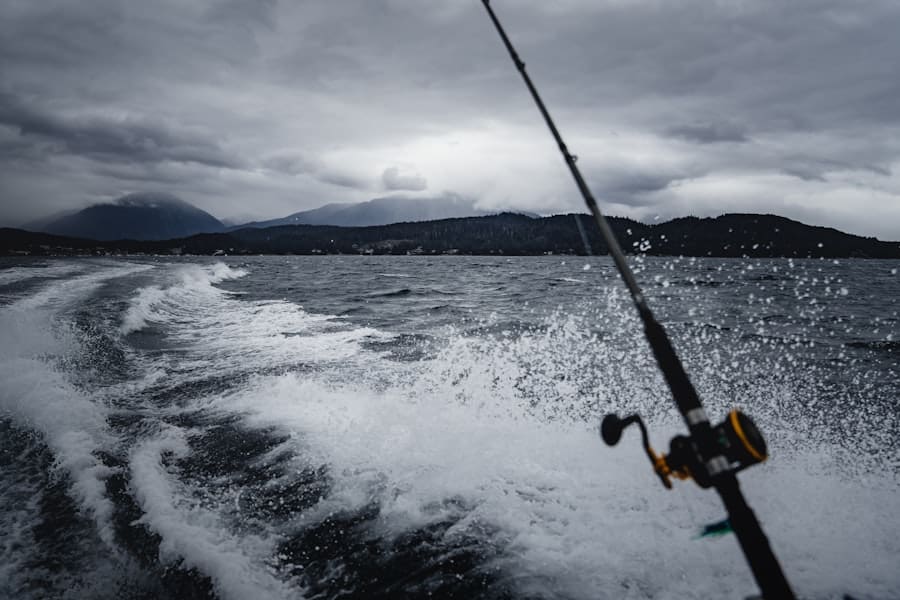
The landscape of fishing laws and news is not static; it is a dynamic environment shaped by evolving scientific understanding, environmental challenges, and societal priorities. Staying informed means paying attention to these shifts.
Regional and International Fishery Management
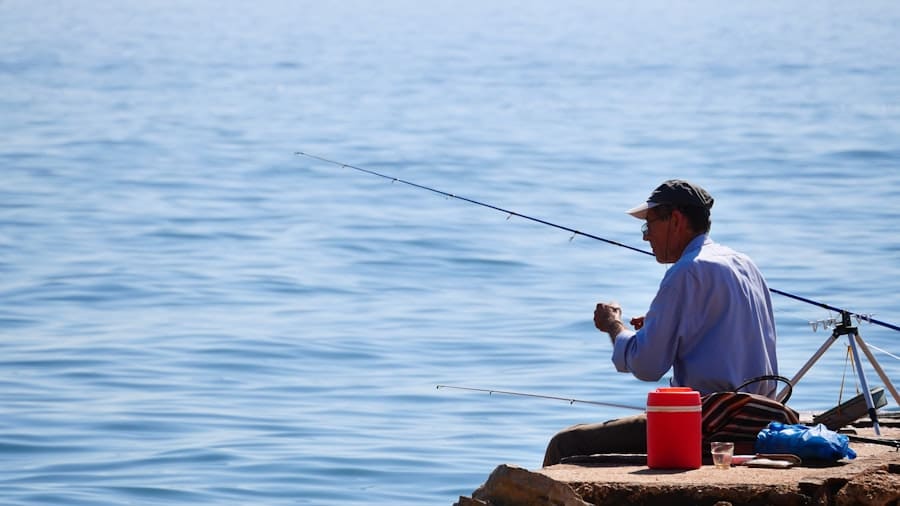
The health of fish populations does not respect political boundaries. Effective fishery management often requires cooperation and coordinated efforts across different jurisdictions.
Interstate and Transboundary Fisheries
Many fish species migrate across state lines or even international borders. Managing these transboundary fisheries requires intricate agreements and coordinated regulations between different governmental bodies. This is akin to managing a river that flows through multiple properties; fences alone won’t suffice.
Councils and Commissions: Collaborative Governance
In many regions, fisheries management is overseen by councils or commissions comprised of representatives from various states, federal agencies, and stakeholder groups. These bodies work to develop and implement fishery management plans that are tailored to the specific needs of the region. Their deliberations often represent a crucial intersection of science, economics, and conservation.
International Agreements: Global Efforts for Global Resources
For highly migratory species or those that inhabit international waters, international agreements are essential. These agreements, often negotiated under the auspices of organizations like the United Nations or regional fisheries management organizations (RFMOs), establish rules for fishing in international waters and aim to prevent overexploitation of shared resources. These are the global treaties that bind us to responsible stewardship on a planetary scale.
Marine Protected Areas (MPAs): Sanctuaries for Life
Marine Protected Areas are designated zones where certain human activities, including fishing, are restricted or prohibited. These areas serve as vital refuges for marine life, allowing populations to recover and thrive. They function as the protected breeding grounds and nurseries of the ocean, allowing nature to mend itself.
No-Take Zones: The Ultimate Conservation Tool
Within MPAs, “no-take zones” are areas where all forms of fishing are strictly forbidden. These represent the most stringent form of protection and have consistently demonstrated remarkable success in restoring biodiversity and biomass.
Benefits of MPAs: Beyond the Sanctuary
The benefits of MPAs extend beyond their boundaries. Research has shown that fish populations within MPAs can spill over into surrounding areas, benefiting adjacent fisheries. They can also serve as important reference sites for scientific research, helping us understand the impacts of fishing and other human activities.
If you’re interested in enhancing your fishing experience, you might want to check out a related article that discusses the importance of understanding local fishing regulations. Staying informed about fishing laws can significantly impact your success and enjoyment on the water. For a unique DIY project that complements your fishing gear, consider building a bow and arrow rack for under $30. You can find the details in this article here.
Technological Advancements and Their Impact
| Date | Region | Law/Regulation | Description | Impact |
|---|---|---|---|---|
| 2024-05-01 | California, USA | New Catch Limits | Reduced daily catch limits for salmon to protect declining populations. | Fishermen must reduce catch by 20%, aiming to increase salmon stocks. |
| 2024-04-15 | European Union | Plastic Net Ban | Ban on single-use plastic fishing nets to reduce ocean pollution. | Fishermen required to switch to biodegradable nets within 2 years. |
| 2024-03-20 | Australia | Seasonal Fishing Closure | Closed fishing season for certain species during breeding months. | Temporary halt on fishing for affected species from June to August. |
| 2024-02-10 | Japan | Quota System Update | Revised quotas for tuna fishing to align with international agreements. | Quota reduced by 15% to support sustainable tuna populations. |
| 2024-01-05 | Canada | Licensing Reform | Introduction of digital licenses and stricter enforcement measures. | Improved tracking of fishing activities and reduced illegal fishing. |
Technology is continually reshaping how we fish and how we manage fisheries. Staying aware of these innovations is crucial for informed decision-making.
Electronic Reporting and Data Collection
The move towards electronic reporting of catch data and other fishing activities is transforming fishery management. This allows for more timely and accurate data collection, enabling managers to make more responsive decisions. This is like upgrading from a handwritten ledger to a real-time digital dashboard.
Advantages of E-Reporting: Speed and Accuracy
Electronic reporting systems can significantly reduce the time lag between fishing activity and data availability, allowing for quicker adjustments to management measures. They also tend to be more accurate and less prone to human error than traditional paper-based systems.
Smart Gear and Selective Fishing Technologies
Innovations in fishing gear are leading to more selective fishing practices, meaning gear that targets specific species and minimizes the capture of non-target species or undersized fish.
Reducing Bycatch: A Win for Conservation
Bycatch, the unintentional capture of non-target species, is a major threat to marine ecosystems. Technologies such as acoustic deterrents, modified trawl designs, and specialized hooks are being developed to reduce bycatch, contributing to more sustainable fishing. This is like using a scalpel instead of a sledgehammer.
Stock Assessment Models: The Science Behind the Limits
Computer modeling and advanced statistical techniques are used to assess the health of fish populations, known as stock assessments. These models take into account factors such as catch data, surveys, and biological information to estimate population size, reproductive potential, and the impact of fishing. These models are the sophisticated compasses that guide our management decisions.
The Importance of Robust Data: Fueling Accurate Models
The accuracy of stock assessment models is highly dependent on the quality and quantity of data fed into them. Continuous efforts to collect comprehensive and reliable data are therefore paramount to effective fishery management.
For those interested in understanding the intricacies of fishing regulations, a recent article on shooting techniques for beginners may provide valuable insights into the importance of precision and skill in outdoor activities. You can read more about it in this informative piece on how to shoot a compound bow for beginners, which emphasizes the need for practice and adherence to guidelines, much like the rules governing fishing practices.
Public Engagement and Advocacy: Our Voice in the Waters
As anglers, our collective voice is a powerful force in shaping fishing laws and news. Active participation in the decision-making process is not just a right, but a responsibility.
Understanding the Regulatory Process: From Proposal to Law
Familiarizing ourselves with how fishing regulations are proposed, debated, and enacted is crucial. This often involves public comment periods where stakeholders can voice their opinions. Being informed allows us to participate meaningfully.
Public Comment Periods: Your Opportunity to Be Heard
When new regulations or management plans are being considered, agencies typically open public comment periods. This is your chance to share your insights, concerns, and suggestions. It is a direct channel for our collective knowledge to influence policy.
Supporting Sustainable Fisheries Organizations
Numerous organizations are dedicated to the conservation and sustainable management of fisheries. Supporting these groups, whether through donations, volunteering, or simply staying informed about their work, amplifies our impact. These organizations are often the tireless sentinels of our aquatic resources.
Ethical Angling Practices: Leading by Example
Ultimately, the most effective way to contribute to healthy fisheries is to practice responsible and ethical angling. This includes adhering to all regulations, minimizing our impact on the environment, and sharing our knowledge with others. We are the individual ripples that create the waves of change.




No comment yet, add your voice below!