

For hunters seeking optimal conditions, understanding the rhythm of the seasons is paramount. The “best” hunting season is not a fixed point but a dynamic period influenced by species, geography, biological cycles, and regulatory frameworks. This article will delineate the general patterns and specific considerations that define prime hunting opportunities across various contexts.
Deer, including whitetail, mule deer, and blacktail, are among the most popular game animals. Their hunting seasons are carefully calibrated to coincide with distinct phases of their annual life cycle, balancing population management with hunter success.
Early Archery Season
The early archery season typically commences in late summer or early fall. This period often precedes the main rifle seasons and offers a unique set of challenges and advantages.
- Vegetation Cover: At this time of year, standing crops and dense foliage provide substantial cover for deer. This necessitates meticulous scouting and a keen understanding of deer travel patterns. The hunter, much like a detective, pieces together clues from tracks, browse, and rubs.
- Weather Conditions: Temperatures can still be high, particularly in southern regions. Hunters must prioritize hydration and employ scent control rigorously, as heat amplifies odors.
- Deer Behavior: Deer are generally less pressured during early archery season, often maintaining more predictable feeding and bedding patterns. Bucks may still be in bachelor groups, and their antler velvet may have only recently shed, making them less wary than during the rut.
Pre-Rut and Rut Seasons
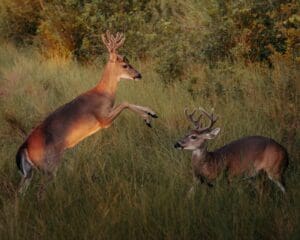
The pre-rut and rut are often considered the zenith of deer hunting for many enthusiasts. These periods, typically occurring in mid-to-late fall, are characterized by increased deer activity and specific behavioral changes.
- Pre-Rut Activity: As the pre-rut approaches, usually in October, bucks begin to establish dominance. Rubs and scrapes become more frequent as they mark their territory and communicate with does. This is a time of anticipation; like a coiled spring, their energy is building. Hunters focusing on these signposts can ambush bucks as they patrol their range.
- The Rut Peak: The rut itself, peaking in early to mid-November for much of North America, is when breeding activity is at its highest. Bucks actively pursue does, often oblivious to their surroundings. This heightened activity makes them more visible and vulnerable. Calling and decoy strategies become highly effective as bucks respond to perceived competition or potential mates.
- Post-Rut Challenges: Following the peak of the rut, bucks are often exhausted and have lost significant body weight. They may retreat to thicker cover to recover, making them harder to locate. This period demands patience and a shift in tactics, often focusing on food sources as deer replenish energy reserves.
Late Season Hunting
Late season, generally from December through January in many areas, presents its own set of challenges and rewards.
- Food Scarcity: With colder temperatures and snow cover, natural food sources become scarce. Deer congregate around remaining food plots, agricultural fields, or areas with persistent browse. Hunters must pinpoint these vital resources.
- Weather Impact: Extreme cold and snow can significantly impact deer movement. Deer will bed down to conserve energy, only moving to feed. This requires hunters to adapt their approach, potentially focusing on shorter windows of activity during the warmest parts of the day.
- Reduced Pressure: By late season, hunting pressure has often diminished. This can lead to deer becoming somewhat less wary, though their survival instincts remain sharp. Success often hinges on enduring the elements and understanding winter deer behavior.
For those interested in maximizing their outdoor experiences, understanding the best hunting seasons is crucial. However, it’s equally important to know the optimal times for fishing, which can complement your hunting trips. To explore this topic further, check out the article on the best times to fish, which provides valuable insights into seasonal patterns and techniques. You can read it here: Best Time to Fish.
Upland Bird Hunting Seasons
Upland birds, including pheasant, grouse, quail, and partridge, offer a different hunting experience, often characterized by walking vast areas and working with trained dogs. Their seasons are typically concentrated in the fall and early winter.
Early Season Flushing
Early upland bird seasons often begin in September or October, coinciding with agricultural harvests and before heavy snows.
- Cover Considerations: Early season cover can be dense, particularly in agricultural areas with standing corn or sorghum. Birds will hold tight in this cover, necessitating strong dog work to flush them. For the hunter, it’s like searching for needles in a haystack, but with the added excitement of a sudden explosive flush.
- Bird Abundance: Populations are generally at their highest early in the season, as juvenile birds have matured but haven’t yet faced significant hunting pressure.
- Weather: Temperatures can still be mild, making for comfortable walking conditions for both hunter and dog. However, this also means less scent retention for dogs, requiring them to work harder.
Mid-Season Strategies
As the season progresses into November and December, upland bird hunting adapts to changing conditions.
- Habitat Changes: Colder weather and snow will reduce vegetative cover, concentrating birds in specific areas such as shelterbelts, thickets, or cattail sloughs. This makes locating them somewhat easier, but they may also become warier due to increased pressure.
- Dog Performance: Colder temperatures can improve scenting conditions for dogs, leading to more accurate points and flushes. However, hunters must monitor their dogs for signs of hypothermia or foot pad injuries in harsh conditions.
- Flushing Patterns: Birds may run more before flushing as cover diminishes, demanding quick reactions from the hunter and well-trained dogs capable of holding a point and honorably backing.
Late Season Endurance
Late season upland bird hunting, often extending into January, presents the most challenging and rewarding scenarios.
- Extreme Weather: Deep snow and bitter cold are common. Birds will be congregated in the heaviest cover available, often near reliable food sources. This is a test of resilience for the hunter.
- Concentrated Birds: While difficult to access, birds that survive into the late season are often concentrated, offering the possibility of multiple flushes in a localized area.
- Survival Instincts: Late season birds are highly educated and will use every advantage of the terrain and cover to evade detection. Ethical hunting demands patience and respect for these resilient game animals.
Waterfowl Hunting Seasons
Waterfowl hunting, targeting ducks and geese, is deeply intertwined with migratory patterns. Seasons are stratified by flyway and species, reflecting management strategies for these wide-ranging birds.
Early Season Duck Hunting
Early duck seasons typically open in September or October, often targeting resident birds or early migrants.
- Local Birds: Initially, hunters often target local populations of wood ducks, teal, and early mallards before the main migratory push. These birds may be less wary due to less hunting pressure.
- Habitat Diversity: Early season hunting can occur over a variety of habitats, including small ponds, marshes, and flooded timber before larger bodies of water freeze.
- Calling Effectiveness: Calling can be highly effective in the early season as ducks are less accustomed to hunter pressure and respond readily to decoys and calls. Like a siren’s song, well-executed calls can draw them in.
Peak Migration
The peak of waterfowl migration, generally from November through December, is the most anticipated period for many duck and goose hunters.
- Migratory Waves: Cold fronts to the north trigger massive migrations, bringing fresh waves of birds south. This offers opportunities for diverse bags and increased activity.
- Decoy Spreads: Large, realistic decoy spreads become more critical as birds are travelling in larger flocks and are warier. Commanders of the air, they assess the landscape carefully.
- Weather Dependency: Success is often directly related to weather systems. Storms, freezing temperatures, and strong winds can push birds into new areas and increase feeding activity.
Late Season Waterfowling
Late season waterfowl hunting, often extending into January or even February in some southern zones, is characterized by extreme conditions and highly concentrated birds.
- Frozen Landscape: Most smaller water bodies are frozen, concentrating birds on larger rivers, lakes, and reservoirs with open water, or in agricultural fields.
- Wary Birds: The birds that remain are highly educated and have survived months of hunting pressure. They require meticulous concealment, minimal movement, and often highly effective calling.
- Food Focus: Late season birds are heavily focused on reliable food sources to maintain energy. Scouting fields where geese or ducks are actively feeding becomes paramount.
Big Game (Other than Deer) Hunting Seasons
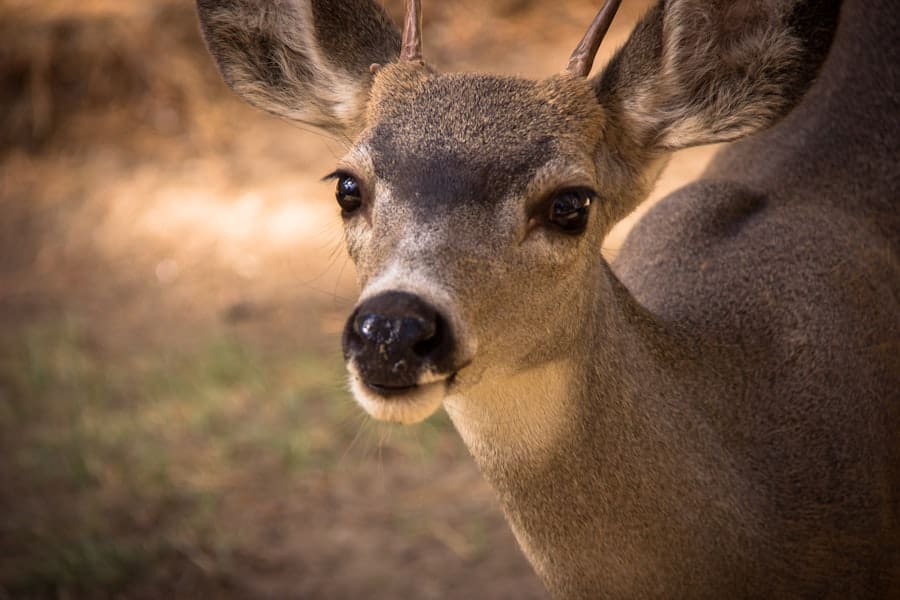
Beyond deer, many large game animals offer distinct hunting opportunities. Seasons for bear, elk, moose, and various sheep species are carefully managed.
Bear Hunting
Bear hunting seasons vary significantly locally, often falling in spring, fall, or both.
- Spring Bear: Spring bear seasons typically occur shortly after bears emerge from hibernation, often in April or May. They are driven by hunger and focus on new vegetation or carrion. Baiting, where legal, is common.
- Fall Bear: Fall bear seasons often coincide with berry crops and nut mast, as bears are actively feeding to build fat reserves for winter. Hunting over natural food sources or by spot and stalk methods are common.
- Vulnerability: In both seasons, the key is understanding their food sources and travel corridors. Like a shadow, they move cautiously through their territory, requiring a hunter’s keen observation.
Elk and Moose Hunting
Elk and moose seasons are primarily concentrated in the fall, often with early archery, general rifle, and late season opportunities.
- The Rut (Elk and Moose): For both species, the rut is a prime hunting period. For elk, this is typically September into early October, characterized by bugling and active bull elk. For moose, the rut can extend from late September into October. During this period, bulls are less cautious, responding to calls and decoys.
- Habitat and Terrain: Elk and moose often inhabit rugged, remote terrain, demanding physical conditioning and robust gear. Their home is the wilderness, and hunters must enter it on its terms.
- Winter Range Hunting (Late Season): As winter sets in, elk and moose may move to lower elevations and more accessible winter ranges. These late seasons often present opportunities amidst challenging weather, focusing on their specific survival needs.
If you’re looking to enhance your outdoor adventures, understanding the best hunting seasons is crucial for a successful experience. In addition to hunting, you might find it beneficial to explore the regulations and updates regarding fishing, which can complement your time spent in nature. For more information on fishing laws and news, check out this insightful article on fishing regulations. This resource can help you stay informed and make the most of your outdoor activities throughout the year.
Small Game Hunting Seasons
| Game | Best Hunting Season | Peak Months | Region | Notes |
|---|---|---|---|---|
| White-tailed Deer | Fall | October – November | North America | Rut season increases activity |
| Elk | Fall | September – October | Western US, Canada | Early season archery preferred |
| Wild Turkey | Spring | April – May | US, Canada | Breeding season, males are more visible |
| Black Bear | Late Summer to Early Fall | August – September | North America | Pre-hibernation feeding period |
| Waterfowl (Ducks & Geese) | Fall to Early Winter | September – December | North America, Europe | Migration periods |
| Pronghorn Antelope | Fall | September – October | Western US | Open terrain hunting |
Small game animals like rabbits, squirrels, and furbearers offer accessible and often longer hunting seasons, providing continuous opportunities for hunters.
Fall and Winter Hunting
Small game seasons typically open in early fall and can extend through late winter.
- Squirrels: Squirrel seasons often begin in late summer or early fall. Early season opportunities are found among nut-bearing trees as squirrels actively forage. Later in the season, after leaf fall, they are easier to spot, but also more wary.
- Rabbits: Rabbit seasons usually start in the fall and continue through the winter. Hunting after a fresh snow can be highly effective, as tracks reveal their presence and movements. Like threads in a tapestry, their trails tell a story.
- Furbearers: Furbearer seasons (fox, coyote, bobcat, etc.) are generally concentrated in the colder months when their pelts are prime. Predator calling is a primary method, often more effective in colder, calmer conditions.
- Accessibility: Small game hunting often requires less specialized gear and can be pursued closer to populated areas, making it a good entry point for new hunters or those seeking frequent outings.
The “best” hunting season is subjective, contingent on individual preferences, target species, and geographical location. Hunters are encouraged to consult local state or provincial wildlife regulations for precise season dates, bag limits, and specific species regulations, as these are critical for responsible and legal hunting practices. Understanding these seasonal nuances is fundamental to effective hunting and contributes to the sustainable management of wildlife resources.

No comment yet, add your voice below!