

When venturing out onto the water, the quest for the perfect bait or lure is as old as angling itself. We, as anglers, understand that the right choice can be the difference between a quiet day and a creel full of fish. The sheer variety available can be overwhelming, a veritable ocean of options, each promising to entice our finned quarry. Deciding what to tie on often comes down to understanding the environment, the target species, and their current mood. This exploration delves into the fundamental categories of fishing bait and lures, providing a factual overview to help us make informed decisions.
The debate between live bait and artificial lures has long been a cornerstone of angling discussions. Each category possesses distinct advantages and disadvantages, influencing their effectiveness in different situations. For us, acknowledging these differences is critical to optimizing our chances of success.
The Unmatched Appeal of Live Bait
Live bait, as the name suggests, consists of living organisms used to attract fish. Its primary advantage lies in its natural scent, movement, and taste, elements that trigger an instinctive feeding response in fish. Unlike artificial lures, which aim to mimic these attributes, live bait is the genuine article.
Worms: The Ever-Reliable Workhorses
Earthworms, with their segmented bodies and wriggling locomotion, are arguably the most iconic and universally effective live bait.
Red Wigglers and Nightcrawlers
Both red wigglers and larger nightcrawlers are favored by anglers. Red wigglers are smaller and more active, making them ideal for panfish and smaller trout. Nightcrawlers, their larger cousins, are a staple for bass, walleye, and channel catfish. Their robust nature allows them to remain lively on the hook for extended periods.
Rigging Techniques for Worms
How we present a worm significantly impacts its appeal. Common methods include:
- The S-Bend: Threading the worm onto the hook in an S-shape creates a natural, undulating movement as it drifts.
- The Wriggle: Allowing a good portion of the worm to dangle freely above the hook encourages more erratic, lifelike action.
- The Nose Hook: Hooking the worm through its collar or head minimizes injury, allowing it to stay alive and active longer. This is particularly effective for finicky feeders.
Minnows: A Delectable Enticement
Small, live fish, commonly referred to as minnows, are a potent attractant for predatory species. Their frantic escape attempts mimic wounded prey, a siren song to hungry game fish.
Shiners, Fatheads, and Gizzard Shad
Different types of minnows are suited for different anglers’ needs. Golden shiners are a favorite for bass and walleye due to their size and buoyancy. Fathead minnows are excellent for panfish and trout. Gizzard shad, particularly larger specimens, are prime bait for trophy catfish and muskellunge.
Live-Lining and Bobber Fishing
Presenting minnows effectively often involves:
- Live-Lining: Free-lining a minnow with just a hook and weight allows it to swim naturally, reacting to currents and its own instincts.
- Bobber Fishing: A bobber suspends the minnow at a desired depth, providing a visual strike indicator and keeping the bait in the strike zone. This is a classic technique for various species.
- Trolling with Minnows: Pulling a minnow-rigged line behind a boat at slow speeds can cover water and entice reluctant biters.
Other Live Bait Options
Beyond worms and minnows, a diverse array of live baits exist, each tailored to specific environments and target species.
Crickets and Grasshoppers
These terrestrial insects are excellent for panfish, trout, and even some bass species, especially when fishing near shorelines or aquatic vegetation. Their chirping and jumping create an audible and visual attraction.
Leeches
Leeches are particularly effective for walleye and smallmouth bass. Their undulating movement and ability to attach briefly to the hook can create a strong feeding trigger.
Crabs and Shrimp
In saltwater environments, live crabs and shrimp are invaluable for catching species like redfish, flounder, and various rockfish. Their natural scent and texture are irresistible.
The Ingenuity of Artificial Lures
Artificial lures are manufactured items designed to imitate the appearance, sound, and action of natural prey without being alive. Their appeal lies in their reusability, versatility, and the skill involved in their manipulation. For us, mastering lure fishing opens up a vast spectrum of possibilities.
Hard Baits: Mimicking Movement and Flash
Hard baits are typically made of plastic, wood, or metal and are designed to create specific underwater actions. They often feature rattles, reflective surfaces, and precisely shaped bodies to mimic swimming baitfish, crawfish, or other prey.
Crankbaits: Diving and Wiggling Wonders
Crankbaits are characterized by their bills, which determine their diving depth and wobbling action.
- Shallow-Running Crankbaits: These have short bills and are designed to dive only a few feet, ideal for fishing over submerged vegetation or in shallow water.
- Medium-Diving Crankbaits: With longer bills, these can reach depths of 10-15 feet, effective for covering mid-water columns.
- Deep-Diving Crankbaits: These possess extended, often wide bills that allow them to plumb depths of 20 feet or more, essential for targeting fish holding near the bottom in deeper water. The lip functions like a divers fin, forcing the lure downwards.
Jerkbaits: Erratic Presentations
Jerkbaits are typically slender, lure-like baits that are manipulated with rod twitches and pauses.
- Floating Jerkbaits: These rise to the surface when paused, mimicking a struggling or injured baitfish.
- Suspending Jerkbaits: These remain at a neutral buoyancy when retrieved, hovering in the water column, allowing for longer pauses and effective presentations to wary fish.
- Sinking Jerkbaits: These descend slowly when paused, a good option when fish are holding deeper or are less active.
Prop Baits and Topwater Walkers
These lures are designed for surface action. Prop baits have spinning propellers that create commotion, while walkers are designed to sashay back and forth across the water’s surface with specific rod movements. They excel in triggering exciting surface strikes.
Soft Plastics: Versatility in Form and Function
Soft plastic lures are made from flexible, durable materials and can be molded into an incredible array of shapes and sizes to mimic a vast array of prey.
Worms and Grubs: The Foundation of Soft Plastic Fishing
Plastic worms, in their countless variations, are fundamental to many soft plastic presentations.
- Straight-tailed Worms: These are versatile and can be fished weightless, Texas-rigged, or on a drop-shot rig.
- Ribbed or Segmented Worms: The added texture and bulk provide more water displacement and subtle action.
- Grubs: These are generally smaller with curled or paddle tails, excellent for jigging or rigging behind a spinnerbait.
Creature Baits and Craws
These lures are designed to imiitate crustaceans or other bottom-dwelling creatures. Their appendages, such as claws and tails, create enticing movement and vibrations.
- Flipping Baits: Designed for pitching into heavy cover, these often have multiple appendages that flare out when the lure settles.
- Crawfish Imitations: These are crucial for targeting species that prey on crawfish, like bass and trout.
Swimbait Bodies
Swimbaits are designed to imitate baitfish, often with segmented bodies and paddle tails that create a realistic swimming action.
- Paddle-tail Swimbaits: The tail generates a strong vibration and realistic swimming motion.
- Hollow-body Swimbaits: These are buoyant and often fished near the surface, mimicking injured baitfish.
Jigs: The Ultimate Versatile Lure
Jigs are a simple yet incredibly effective lure consisting of a lead head with a hook, to which a dressing of weedless skirting, feathers, or a soft plastic trailer is added.
Skirted Jigs and Football Jigs
Standard skirted jigs are great for a variety of applications, while football jigs, with their football-shaped heads, are designed to tumble and appeal to bottom-oriented fish.
Finesse Jigs
These are smaller, lighter jigs designed for more subtle presentations, often used with small soft plastics and for targeting finicky bass.
Jigging Spoons
These are metal spoons with a jig hook attached, designed to be vertically jigged in deeper water. They create flash and erratic action as they flutter down.
If you’re looking to enhance your fishing experience, understanding the best fishing bait and lures is essential. To complement your fishing gear, you might also find it useful to explore how to create a DIY fishing rod holder. This can help keep your rod secure while you wait for a bite. For more information, check out this related article on how to make a PVC bank fishing rod holder: How to Make a PVC Bank Fishing Rod Holder.
The Importance of Color and Size
Beyond the type of bait or lure, color and size play crucial roles in our success. Fish vision is not uniform, and their preferences can shift based on water clarity, light penetration, and time of day.
Color Theory in Angling
The spectrum of colors available in both live bait and artificial lures is vast. Understanding how fish perceive color is key.
Natural Colors for Clear Water
In clear water, natural baitfish colors like silver, white, pearl, and various shades of blue are often most effective. These mimic the hues of common prey.
Chartreuse and Bright Colors for Murky Conditions
In stained or murky water, brighter colors like chartreuse, hot pink, and fire tiger can create a visual contrast, making the lure or bait more conspicuous. Black can also be effective, creating a silhouette against the lighter bottom.
Dark Colors for Low Light and Overcast Skies
During dawn, dusk, or on overcast days, darker colors like black, dark purple, and brown can be effective, providing a silhouette against the sky or lighter bottom.
The Role of Size in Enticement
The size of our chosen bait or lure should ideally match the available forage and the size of the target fish.
Matching the Hatch
Observing the natural food sources available is paramount. If small baitfish are prevalent, smaller lures are often more effective. Conversely, larger prey items may warrant larger offerings.
The “Big Bait, Big Fish” Philosophy
While not universally true, there is a school of thought that larger lures can sometimes attract larger, more aggressive fish that might ignore smaller offerings. However, this can also deter smaller fish and result in fewer overall bites.
Understanding Fish Behavior and Environmental Factors
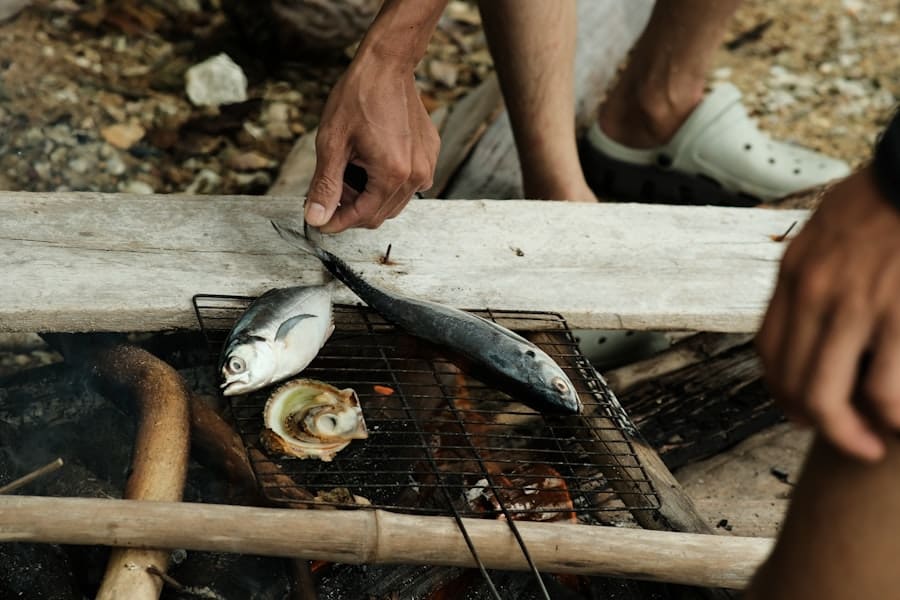
Ultimately, the effectiveness of any bait or lure is inextricably linked to understanding the behavior of our target species and the environmental conditions they inhabit.
Matching the Water Temperature
Water temperature influences fish metabolism and their willingness to feed.
Cold Water Strategies
In colder water, fish tend to be less active and may prefer slower presentations and natural, subtle baits or lures. Small, finesse-style baits and jigs that can be worked slowly become more important.
Warm Water Feeding Frenzies
As water temperatures rise, fish become more active, and their feeding windows can expand. This is often when aggressive presentations with fast-moving lures or abundant live bait can be highly successful. Faster retrieve speeds and lures that create more water disturbance are often favored.
Light Penetration and Clarity
The clarity and depth of the water dictate how well fish can see.
Deep Water and Low Light
In deep or murky water, scent and vibration become more critical attractants than visual cues. Baits and lures that produce significant scent trails or strong vibrations are preferred.
Shallow Water and Bright Sunlight
In clear, shallow water, natural presentations that mimic undisturbed prey are often best. Over-fishing a single spot with a highly visible lure can spook fish. Finesse presentations and natural colors are often more successful.
Understanding Forage Base
Knowing what the local fish are eating is perhaps the most powerful tool in our arsenal.
Mimicking Natural Prey
If baitfish are the primary food source for bass in a particular lake, then lures that imitate baitfish – crankbaits, swimbaits, jerkbaits – will likely be highly effective.
Targeting Opportunistic Feeders
Some species are more opportunistic. For instance, catfish are known to scavenge and are attracted to a wide range of scents and food items, making strong-smelling baits particularly effective.
Seasonal Considerations for Optimal Results
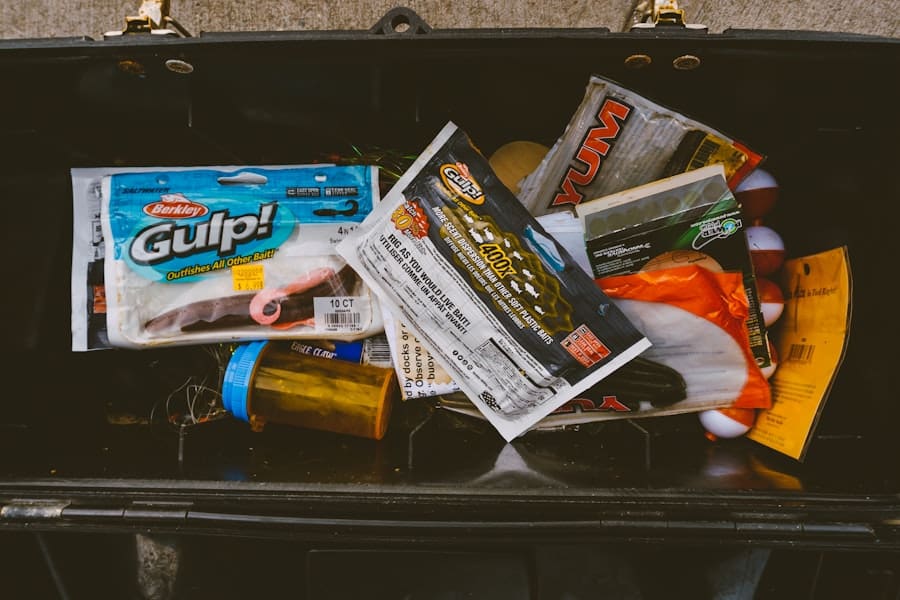
The seasons significantly influence fish behavior and their feeding patterns. Adapting our bait and lure choices accordingly is essential for consistent results.
Spring: The Awakening Bite
As the water warms in spring, fish begin to move from their wintering grounds and their metabolism increases.
Pre-Spawn Strategies
Before spawning, many species are actively feeding to build energy reserves. They may be found in transition areas between deep and shallow water. Baits that imitate spawning-ready forage, such as crawfish and smaller baitfish, are often successful. Spinnerbaits and lipless crankbaits can cover water effectively.
Post-Spawn Recovery
Following the spawn, fish can be lethargic but will eventually resume feeding. They may be found in slightly deeper, cooler water. Soft plastic baits and jigs that can be presented slowly are often effective during this period.
Summer: Active Feeding and Abundant Opportunities
Summer is often characterized by aggressive feeding as water temperatures reach their peak.
Midday Lull and Evening Activity
During the hottest parts of the day, fish may retreat to deeper, cooler water or seek shade. Early morning and late evening often provide the most active fishing opportunities. Topwater lures can be incredibly effective during these periods, creating exhilarating surface strikes.
Targeting Weed Lines and Structure
Fish often congregate around weed lines, submerged structure, and drop-offs during summer to find cooler water and ambush prey. Baits and lures that can effectively navigate these areas, such as plastic worms, jigs, and weedless topwater baits, are paramount.
Fall: The Pre-Winter Build-Up
As water temperatures begin to cool in the fall, fish transition again, often feeding heavily in preparation for winter.
Aggressive Feeding Patterns
Fall can be a prime time for catching larger fish as they actively feed to fatten up. This is an excellent time to use larger lures and baits that mimic larger forage. Deep-diving crankbaits and large swimbaits can be very effective.
Transition Zones
Fish will move between shallower feeding grounds and deeper wintering areas. Focusing on these transition zones, particularly near points and drop-offs, can yield significant results.
Winter: Slowing Down and Seeking Comfort
During the winter months, fish metabolism slows considerably, and they become less active.
Deeper Water Havens
Fish will generally move to deeper, more stable water temperatures for the winter. They may school up and become more opportunistic feeders. Slow presentations and baits that create subtle vibrations are crucial. Jigs, spoons, and even live bait fished with minimal action are often the best choices.
Ice Fishing Opportunities
For those who brave the cold, ice fishing presents unique opportunities to target lethargic fish in their wintering grounds. Specialized ice fishing lures and jigging techniques are employed to entice bites.
When it comes to enhancing your fishing experience, understanding the right techniques can be just as important as selecting the best fishing bait and lures. For those interested in honing their skills, you might find valuable insights in a related article that discusses how to improve your aim with a compound bow. This resource can help you refine your focus and precision, which are crucial skills not only in archery but also in fishing. To explore this further, check out the article on sighting in a compound bow.
Innovative Lure Technologies and Trends
| Bait/Lure Type | Best For | Target Fish Species | Water Type | Effectiveness Rating (1-10) | Notes |
|---|---|---|---|---|---|
| Live Worms | Bottom Fishing | Trout, Bass, Catfish | Freshwater | 9 | Highly versatile and natural bait |
| Crankbaits | Active Fishing | Bass, Walleye, Pike | Freshwater | 8 | Good for covering water quickly |
| Soft Plastic Worms | Bottom and Structure Fishing | Bass, Panfish | Freshwater | 9 | Effective with various rigging techniques |
| Jigs | Versatile | Walleye, Bass, Crappie | Freshwater | 8 | Can be used with live bait or soft plastics |
| Spooons | Trolling and Casting | Salmon, Trout, Pike | Freshwater & Saltwater | 7 | Flashy and effective in clear water |
| Topwater Lures | Surface Fishing | Bass, Pike, Muskie | Freshwater | 8 | Exciting strikes, best in low light |
| Cut Bait | Bottom Fishing | Catfish, Striped Bass | Freshwater & Saltwater | 7 | Strong scent attracts large fish |
| Swimbaits | Imitating Baitfish | Bass, Pike, Muskie | Freshwater | 8 | Realistic action, good for big predators |
| Spinnerbaits | Covering Water | Bass, Pike | Freshwater | 8 | Good in murky water, weed resistant |
| Squid Bait | Saltwater Bottom Fishing | Snapper, Grouper, Tuna | Saltwater | 9 | Highly attractive scent and texture |
The world of fishing lures is constantly evolving, with new technologies and design philosophies emerging regularly. Staying abreast of these trends can provide us with an edge.
Scent-Infused Baits and Lures
Modern soft plastics and even some hard baits are infused with attractant scents. These can significantly enhance their appeal, especially to fish with highly developed senses of smell.
Natural Scent Additives
Many anglers add scent attractants to their soft plastics and jigs. These can range from fish-specific scents to general attractants like garlic or anise.
Biodegradable and Eco-Friendly Options
There is a growing movement towards more sustainable fishing practices. Biodegradable soft plastics and lures made from natural materials are becoming more prevalent.
Reduced Environmental Impact
These options aim to minimize the impact on aquatic ecosystems, decomposing more readily if lost.
Electronic Lures and Advanced Sound Technology
While still niche, some lures incorporate small electronic components to emit sounds or vibrations designed to attract fish. These can be particularly effective in low light or extremely murky conditions where visual cues are limited.
Micro-Jigs and Finesse Fishing Advancements
The trend towards finesse fishing continues, with the development of increasingly smaller and more specialized jigs and soft plastics designed for subtle presentations. These are invaluable for targeting wary or finicky fish.
Conclusion: The Art and Science of Bait and Lure Selection
The selection of the optimal bait or lure is a blend of art and science. It requires a fundamental understanding of fish biology, their environment, and the predatory instincts that drive their feeding behavior. By carefully considering the target species, water conditions, time of year, and the available forage, we can significantly improve our chances of a successful outing. Whether we choose the irresistible life of a live worm or the meticulously crafted allure of an artificial lure, the journey of discovery on the water is as rewarding as the catch itself. We, as anglers, are perpetual students of this fascinating pursuit, always learning, always adapting, and always seeking that perfect combination that will bring our quarry to hand.


No comment yet, add your voice below!