

We embark on the shared journey of angling, a pursuit that, while steeped in ancient tradition, remains surprisingly accessible to the uninitiated. Our aim here is to equip you, the budding angler, with the foundational knowledge and practical tips necessary to transform a curious interest into a genuinely rewarding pastime. We understand that the sheer volume of information can be overwhelming, a vast ocean of techniques, gear, and species. Therefore, we endeavor to distill these complexities into actionable advice, guiding you like a compass through the initial currents of this captivating world.
Before we cast our lines, we must first understand whom we are trying to entice. Fishing is not a random act; it is a calculated attempt to intercept a specific species, or a range of species, that inhabit a particular ecosystem. Just as a gardener understands the needs of a rose versus a fern, we must appreciate the distinct characteristics and behaviors of different fish.
Common Freshwater Species for Beginners
For those starting their journey in inland waters, certain species offer a more forgiving learning curve. We recommend focusing on these initially, as they are often more abundant, less finicky, and provide excellent opportunities to practice fundamental skills.
Panfish (Bluegill, Crappie, Perch)
These gregarious fish are often the gateway species for new anglers. They are widespread, typically found in large schools, and readily bite a variety of baits. Think of them as the friendly neighbors of the aquatic world, always willing to engage. We often target them near submerged structures, weed beds, or docks. Their relatively small size makes them perfect for practicing casting accuracy and handling fish.
Bass (Largemouth, Smallmouth)
A step up in challenge, bass are iconic game fish known for their aggressive strikes and spirited fights. They are predatory fish, meaning they actively hunt smaller fish, insects, and crustaceans. Understanding their ambush tactics is key. We often find them near cover, waiting to spring on unsuspecting prey, much like a cat stalking a mouse. Targeting bass requires a slightly different approach regarding lures and retrieve techniques, but the rewards are substantial.
Catfish (Channel, Blue, Flathead)
Often overlooked as a beginner’s target, catfish are incredibly robust and offer superb fighting capabilities. They are primarily bottom feeders with an excellent sense of smell, making them ideal targets for bait fishing. We often find them in deeper holes, near logs, or along channel edges. Their distinct barbels, which resemble whiskers, are sensory organs that help them locate food in murky waters. Fishing for catfish is often a more relaxed affair, allowing for patient waiting.
Common Saltwater Species for Beginners
Coastal anglers have a different array of species to pursue, each with its own charm and challenges. The dynamic environment of the ocean, with its tides and currents, adds another layer of complexity and excitement.
Flounder
These delectable flatfish are masters of camouflage, often lying semi-buried on the sandy or muddy bottom, waiting to ambush prey. They are relatively easy to catch once you locate their preferred habitat. We often target them in calmer waters, estuaries, or along sandy flats, using small live baits or artificial lures mimicking baitfish.
Speckled Trout (Spotted Seatrout)
Prized for their delicate flavor and spirited fights, speckled trout are popular in gulf and Atlantic coastal waters. They are often found in seagrass beds, around oyster reefs, and in tidal creeks. Their territorial nature makes them a reliable target. We often mimic their natural prey with soft plastic lures or live shrimp under a popping cork.
Striped Bass
A truly iconic anadromous species, striped bass are powerful and voracious predators. They migrate along the coast, offering shore-based and boat-based anglers incredible opportunities. We often target them in turbulent waters, around rock jetties, or in baitfish blitzes where they actively chase schools of forage. Catching a large striped bass is a memorable experience, a true test of strength and skill.
If you’re looking to enhance your outdoor skills beyond fishing, you might find it beneficial to explore archery as well. A great resource for beginners is the article on how to sight in a compound bow, which provides essential tips and techniques for getting started. You can read more about it here: How to Sight in a Compound Bow. This guide complements your fishing journey by introducing you to another rewarding outdoor activity.
Essential Gear: Your Toolkit for Success
Just as a carpenter needs a hammer and saw, we, as anglers, require specific tools to undertake our craft. The world of fishing gear is vast and can be intimidating, a labyrinth of rods, reels, lines, and lures. Our advice is to start simple and gradually expand your arsenal as your experience grows. Think of your initial gear as foundational bricks; you can always add more elaborate structures later.
Rod and Reel Combinations
The rod and reel are the heart of your fishing setup. They work in tandem to cast your line, present your bait, and ultimately, land your catch.
Spinning Combos
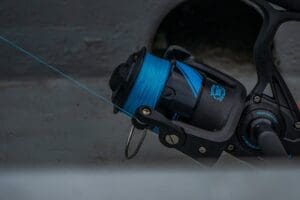
For the beginner, we unequivocally recommend a spinning rod and reel combination. These are incredibly versatile, user-friendly, and forgiving of initial casting imperfections. The open-faced reel allows for smooth casting and minimizes tangles, making it an ideal starting point. We suggest a medium-light to medium power rod, typically 6 to 7 feet in length. This range offers a good balance for targeting most beginner-friendly species, from panfish to smaller bass and inshore saltwater species.
Spooling Your Reel
The choice of fishing line is critical. For beginners, monofilament line in the 6-10 lb test range is an excellent choice. It is affordable, easy to tie knots with, and offers good stretch, which can act as a shock absorber during a fight. Fill your spool appropriately; too little line will hinder casting distance, and too much will lead to tangles, a frustrating ordeal.
Terminal Tackle: The Business End
Terminal tackle refers to everything attached to the end of your fishing line: hooks, weights, and swivels. These are the components that directly interact with the fish.
Hooks
Choosing the right hook size is crucial and directly relates to the size of the fish you are targeting and the bait you are using. A general rule of thumb: smaller fish, smaller hooks; larger fish, larger hooks. For panfish, we might use a size 8-12 hook. For bass or catfish, a size 1/0 to 3/0 might be more appropriate. Always ensure your hooks are sharp; a dull hook is like a blunted sword, ineffective in its purpose.
Weights (Sinkers)
Weights serve two primary purposes: to get your bait to the desired depth and to aid in casting distance. We use various types – split shot, bullet weights, egg sinkers – depending on the technique and conditions. For lightweight baits or shallow water, a small split shot might suffice. For deeper water or to cast further, a heavier egg sinker might be necessary.
Swivels
Swivels are small, rotating connectors that prevent line twist, especially when using lures that spin or when fishing in currents. A small barrel swivel or snap swivel can save you a lot of frustration from tangled lines. Think of them as the shock absorbers for your line, preventing rotational forces from accumulating.
Mastering the Basics: Casting and Retrieving
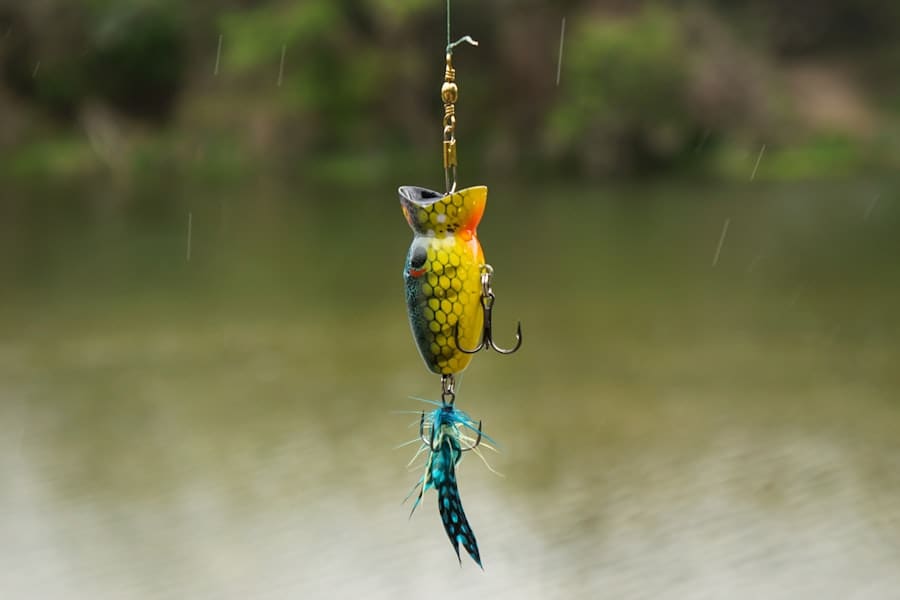
With your gear in hand, the next step is to learn the fundamental techniques that bring your bait to life in the water. These are the brushstrokes of the angler’s art, and practice will refine your mastery.
The Overhead Cast
The overhead cast is the most common and versatile casting technique. It allows for good distance and accuracy.
Practice Makes Perfect
We recommend practicing in an open area, away from obstacles. You’ll want to load your rod by bringing it back over your shoulder, then smoothly accelerating it forward, releasing the line with your index finger at the optimal moment. The key is a fluid, continuous motion, not a jerky action. Imagine painting a stroke, not hammering a nail. Initial attempts may feel awkward, but with repetition, it will become second nature. Aim for consistency rather than brute force.
Essential Retrieves
Once your lure or bait is in the water, the way you bring it back (the retrieve) can be just as important as the cast. Different lures and baits require different retrieval techniques to mimic natural prey.
Steady Retrieve
The simplest retrieve, a steady, constant winding motion, is effective for many lures, especially those with built-in action like crankbaits or spinnerbaits. It’s the baseline, and you can always add variations.
Stop-and-Go Retrieve
This involves winding for a few seconds, then pausing, and then winding again. This erratic motion often triggers strikes from predatory fish who perceive a struggling or injured prey item. It’s like a cat-and-mouse game, with the pauses creating anticipation.
Jigging
This involves imparting short, sharp twitches or lifts to your rod tip, causing the lure (often a jig) to hop along the bottom or through the water column. It’s particularly effective for bottom-dwelling species or those hiding in cover.
Understanding Your Environment: The Fisherman’s Compass
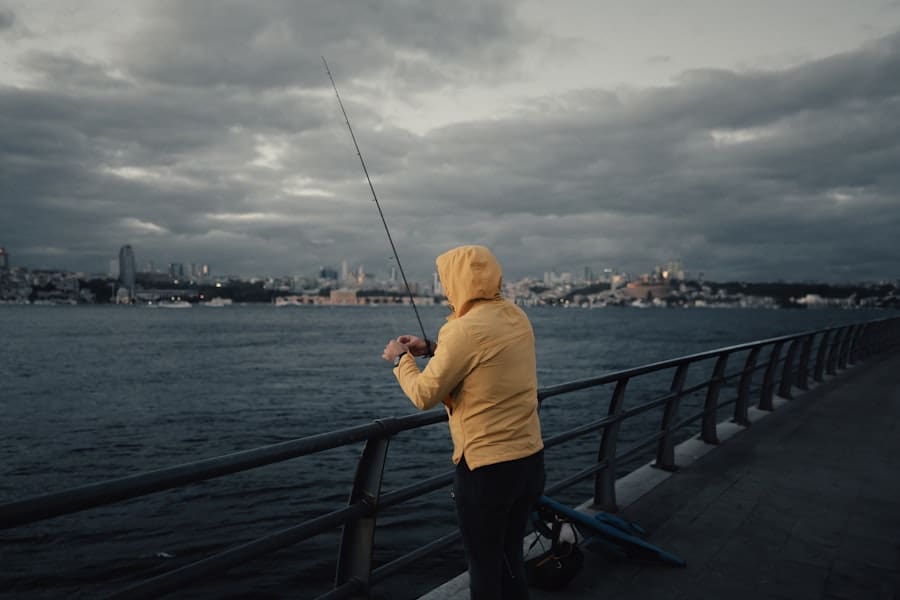
Fish are creatures of habit and environment. Their presence and activity are heavily influenced by a myriad of factors, much like flowers respond to sunlight and soil. Understanding these environmental cues is like having an internal compass, guiding you to productive waters.
Reading the Water
The ability to “read the water” is a skill developed over time, a keen observation of subtle signs that indicate the presence of fish or their preferred habitat.
Structure and Cover
Fish, especially predatory species, love structure and cover. These provide ambush points, protection from predators, and often areas of abundant food. We look for submerged logs, rock piles, weed beds, docks, bridge pilings, and drop-offs. These are the natural condominiums of the aquatic world, offering shelter and sustenance.
Water Temperature and Clarity
Water temperature significantly impacts fish metabolism and activity. Different species have preferred temperature ranges. Clarity also plays a role; in clear water, fish may be more cautious, while in murky water, they might rely more on scent and vibration. Adjusting your lure colors or bait choices to match water clarity can be a game-changer. Think of it as adjusting your camouflage to your surroundings.
Time and Tide
For saltwater anglers, understanding the tides is paramount. Tides create currents that move baitfish and can concentrate feeding activity.
Tidal Influence
Often, the hour or two leading up to and following high or low tide can be prime fishing times. The moving water stirs up prey and creates nutrient-rich currents, signaling a feeding opportunity for fish. We carefully study tide charts for our intended fishing locations, as timing can be the difference between a barren outing and a successful one.
Time of Day
Dawn and dusk are often referred to as “prime time” for fishing. The lower light levels provide an advantage to many predatory fish, and cooler temperatures can increase activity. However, daytime can also be productive, particularly in deeper waters or with specific species. It’s not a rigid rule, but more of a gentle suggestion from nature.
If you’re just starting out with fishing, you might find it helpful to explore additional resources that can enhance your experience. For instance, creating your own fishing gear can be a rewarding project, and you can learn how to make a simple yet effective bow and arrow rack for under $30. This DIY guide can be found in this article, which offers practical tips and step-by-step instructions to help you get started. Check it out here for some creative ideas that can complement your fishing adventures.
Beyond the Catch: Ethics and Conservation
| Tip | Description | Recommended Gear | Best Time | Success Rate (%) |
|---|---|---|---|---|
| Choose the Right Bait | Use live bait like worms or minnows to attract more fish. | Live bait, hooks, bobbers | Early morning or late afternoon | 70 |
| Use Light Tackle | Light fishing rods and lines increase sensitivity and improve catch rates. | Light rod, 4-6 lb test line | All day | 65 |
| Fish Near Structures | Fish tend to gather near rocks, logs, and vegetation. | Medium rod, artificial lures | Morning | 60 |
| Be Patient and Quiet | Minimize noise and sudden movements to avoid scaring fish away. | Any basic fishing gear | All day | 55 |
| Check Weather Conditions | Overcast days often yield better fishing results than bright sunny days. | Weather app or forecast | Cloudy or overcast | 75 |
Our journey into angling is not merely about landing a fish; it is also about fostering a respectful relationship with the natural world. As responsible anglers, we are stewards of these precious resources, ensuring their abundance for future generations.
Catch and Release Practices
While harvesting fish for consumption is a time-honored tradition, practicing catch and release, especially for larger breeding fish, is vital for maintaining healthy fish populations.
Minimizing Stress
When practicing catch and release, our goal is to minimize stress on the fish. We handle fish gently, using wet hands to avoid removing their protective slime coat. We use de-hookers or needle-nose pliers to remove hooks quickly and efficiently, especially those embedded deeply.
Proper Release
Support the fish in the water, allowing it to regain its strength before letting it swim away. If a fish is bleeding heavily or appears severely injured, it is often more humane to dispatch it quickly for consumption, if legal. Our aim is to leave the ecosystem no worse, and ideally better, than how we found it.
Respecting Regulations
Fishing regulations are in place for a reason: to protect fish stocks and ensure sustainable angling opportunities. We must always familiarize ourselves with the local regulations regarding size limits, bag limits, and seasons for the species we are targeting. Ignorance is not an excuse. Think of these regulations as the traffic laws of the aquatic highway, ensuring smooth passage for all.
Leave No Trace
Our presence in natural environments should be as fleeting as a shadow. We pack out everything we pack in, ensuring no litter is left behind. This includes discarded fishing line, bait containers, and food wrappers. A clean environment benefits us all, creating a more enjoyable and sustainable experience for every angler who follows in our footsteps.
In conclusion, the world of fishing is a vast and endlessly fascinating realm. By starting with these foundational tips, you are not simply learning to catch fish; you are embarking on a journey of discovery, patience, and connection with the natural world. May your lines be tight, and your experiences rich.



No comment yet, add your voice below!